


Bulgaria’s tomato producer-price index rose 27.0% in the third quarter of 2026 from the same quarter in 2025, according to the country’s National Statistical Institute (NSI). The official figures, released on 17 November, also put the year-on-year increase for fresh vegetables as a group at 11.9%. These are national agricultural price statistics, not a separate measure of greenhouse tomato production.
The same release reports substantially higher prices for several farm inputs. That combination offers greenhouse operators a useful planning benchmark, but the published indices cannot show whether an individual protected-crop business earned a higher margin.
Energy and fertilizer price indices rose across agriculture
For the third quarter of 2026 compared with the third quarter of 2025, the NSI recorded a 23.3% increase for electricity, fuel and related inputs and a 20.2% increase for mineral fertilizers. Prices for seed and planting material rose 9.1%, while the overall index of goods and services purchased for current agricultural production increased 11.5%.
The electricity-and-fuels figure covers Bulgarian agriculture as a whole. It is not a measured change in the heating bill of a glasshouse, a tariff for a specific commercial greenhouse or a separate natural-gas price index. Likewise, the fertilizer figure is an input-price measure, not evidence of how much fertilizer a particular grower purchased.
Higher tomato selling prices do not establish higher profits
Tomatoes recorded a much larger producer-price increase than fresh vegetables overall. For greenhouse operators, the difference matters when checking contract terms and sales receipts against rising crop-management and energy costs. But a national index cannot resolve the mix of greenhouse and outdoor tomatoes, seasonal production volumes, grades, marketing channels or each farm’s realised prices.
A higher selling-price index is also not equivalent to stronger net income. To assess operating performance, producers would need their own revenue, yield, labour, fertiliser, energy and financing data over comparable periods. The NSI release does not report those farm-level margins or distinguish protected cultivation from open-field production.
Different comparison bases give different figures
The NSI also provides a separate comparison of third-quarter 2026 prices with the average for the full calendar year 2025. On that basis, the tomato producer-price index is up 25.0%, while cucumbers and gherkins are down 11.2%. Those results have a different reference period and should not be presented as equivalent to the third-quarter-on-third-quarter 27.0% rise.
The next useful checks for commercial tomato growers are the following quarterly producer-price data and independently comparable greenhouse-specific crop and energy-cost records. The current release supports a national price-pressure signal, not a greenhouse-margin forecast.
Key takeaways
- Bulgarian tomato producer prices were 27.0% higher in Q3 2026 than in Q3 2025; fresh vegetable producer prices increased 11.9% on the same basis.
- Agriculture-wide electricity and fuel input prices rose 23.3%, and mineral fertilizer input prices rose 20.2%.
- Neither index separates greenhouse farms or demonstrates that individual tomato growers earned higher profits.
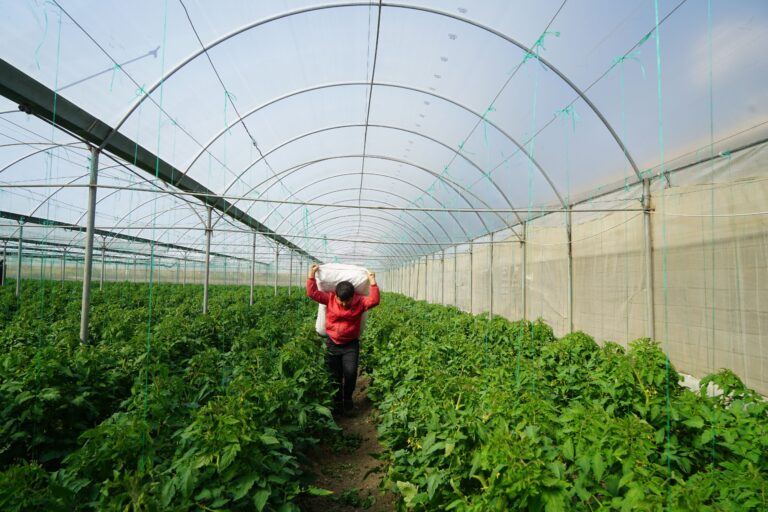
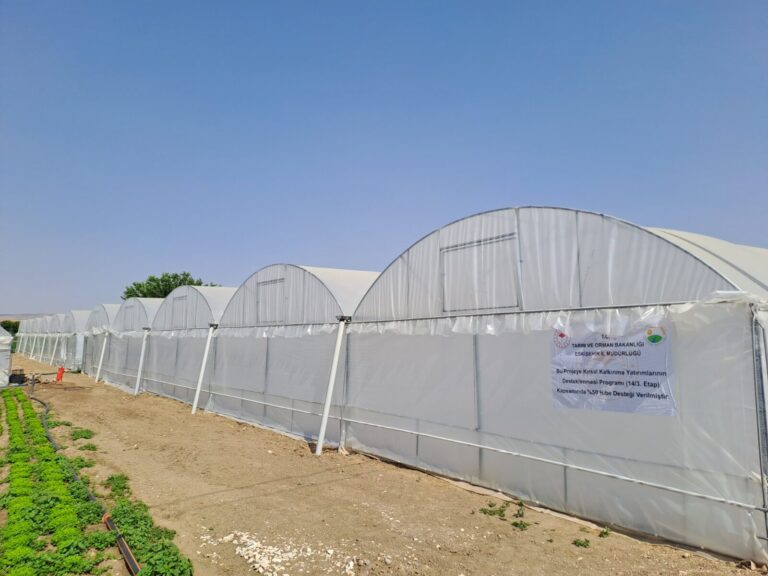
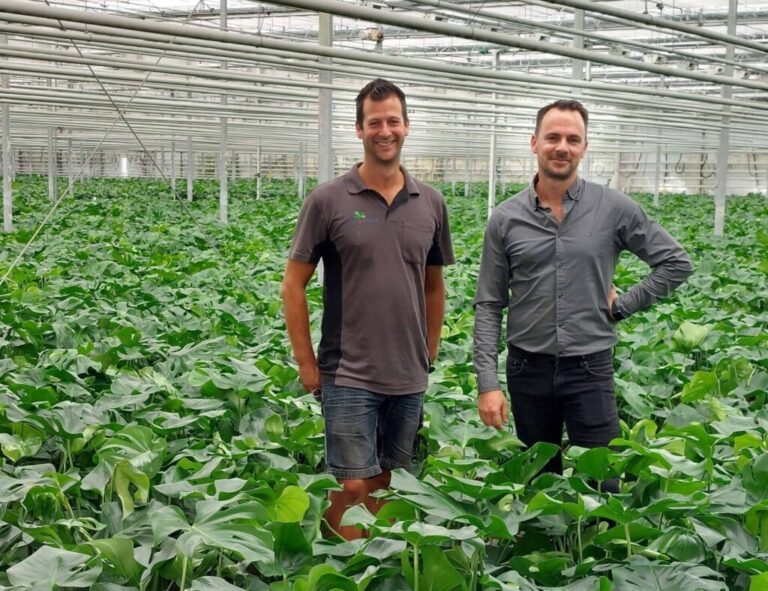
Featured photograph: archival image of a commercial greenhouse farm during a Bulgarian Ministry of Agriculture visit to Malo Konare in January 2024. It illustrates domestic protected cultivation; it does not document the NSI’s Q3 2026 data collection. Photo: Bulgarian Ministry of Agriculture and Food.