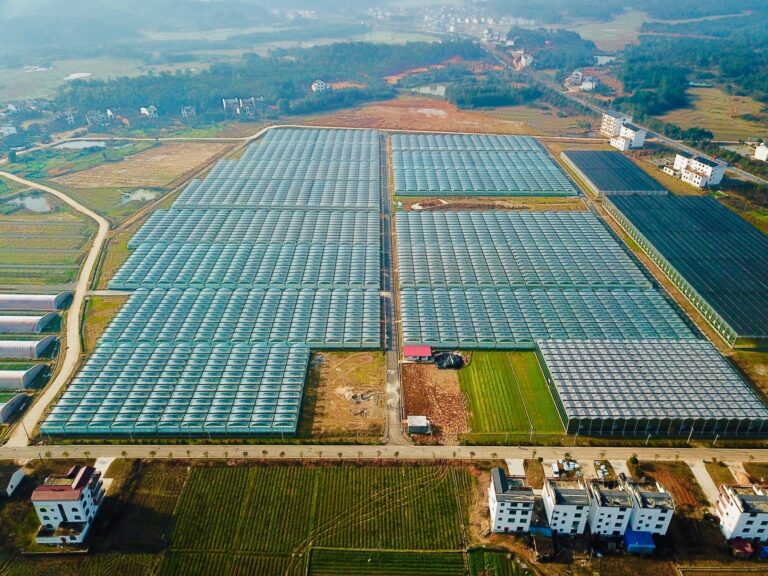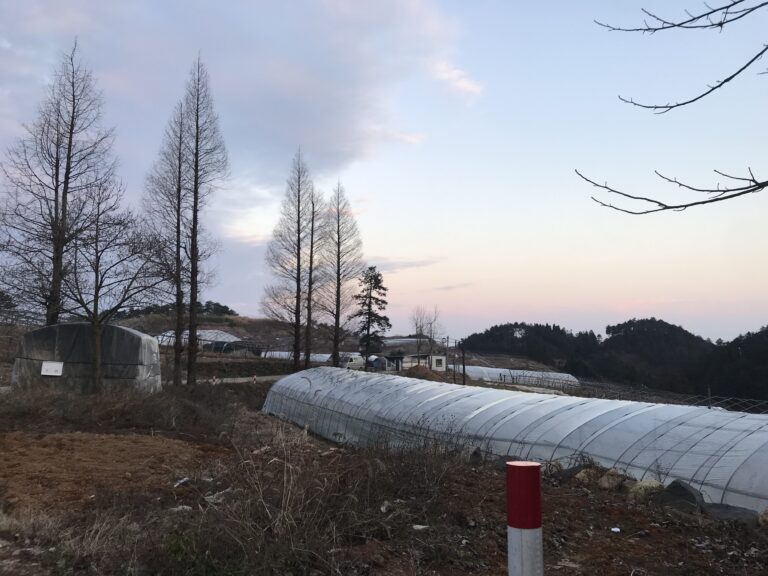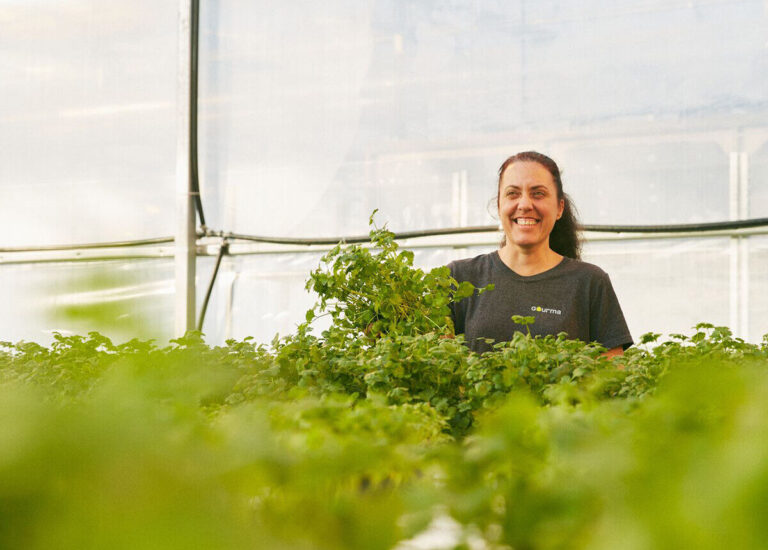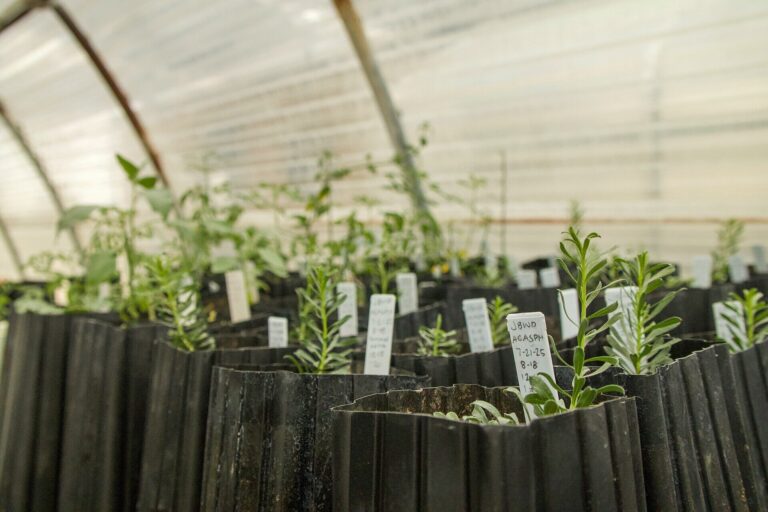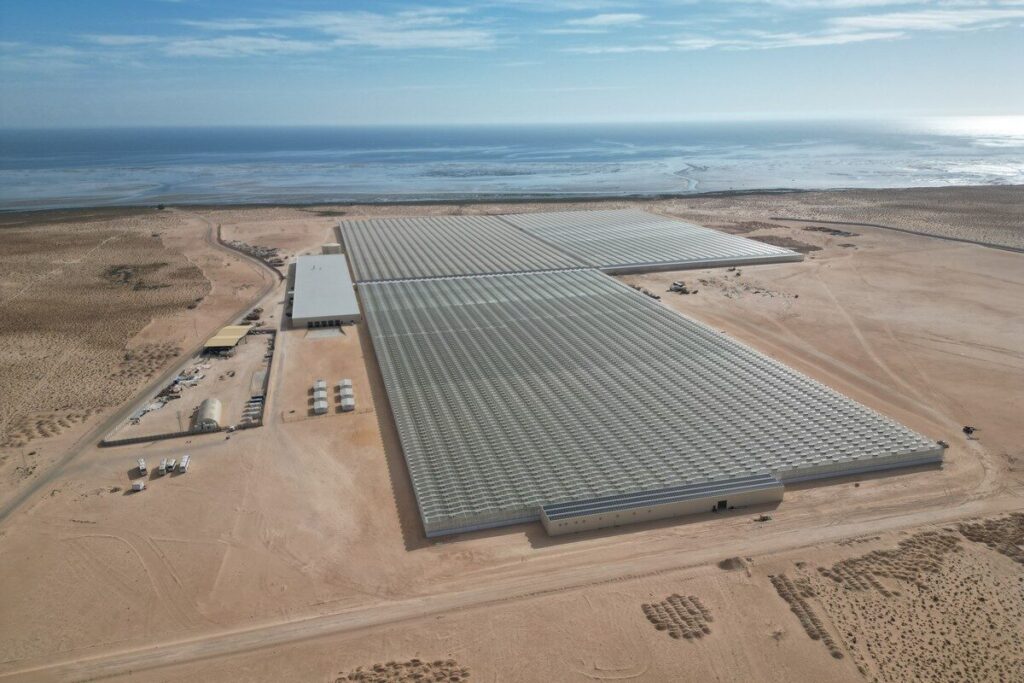
Agro Care’s Hicha Joy greenhouse development in Tunisia has reached 60 hectares in production while construction continues toward a broader 120-hectare buildout, according to a current on-site update from water-technology partner Royal Brinkman. The figure was stated in a video from the project by Philip van Antwerpen, managing director of Agro Care’s Tunisian operations.
The update marks a new operating stage for one of the larger protected-cropping projects under development on the Tunisian coast. Royal Brinkman said it has supplied water units to the site in phases since 2023, with Agro Care’s local technical team carrying out installation and commissioning as new greenhouse sections come online.
IFC financing covers a 50-hectare Hicha II phase
The wider 120-hectare site should not be confused with the narrower project scope disclosed by the International Finance Corporation. IFC describes Hicha II as five 10-hectare glass greenhouses to be built from 2024 through 2027 beside the existing Hicha I operation. The IFC-backed phase has an investment scope of about €134 million and includes a warehouse, desalination infrastructure and a proposed combined heat and power plant.
IFC’s disclosure says the 200-hectare leased site is large enough for as much as 122 hectares of greenhouses and associated infrastructure. That makes the current 60-hectare production milestone a useful indicator of how quickly the broader site is moving from construction into operating capacity, while the remaining phases are still being developed.
Water infrastructure is being built alongside greenhouse capacity
Water availability is a central part of the project design. Royal Brinkman says its dosing, drip, drain, condensate and clean-water units are added section by section. The company’s current project update states that the complex is being developed toward 120 hectares and that 60 hectares are now producing.
Separately, Spanish infrastructure group Lantania is responsible for a seawater reverse-osmosis plant for Agro Care at Hicha. Lantania lists an initial desalination capacity of 7,500 cubic metres per day, expandable to 15,000 cubic metres per day, for greenhouse irrigation. IFC also describes seawater intake and brine-return infrastructure as part of the Hicha II scheme.
Why the signal matters
For greenhouse suppliers and investors, the significance is not only the ultimate site size but the phased conversion of planned area into operating tomato capacity. Each completed block creates demand for irrigation, fertigation, climate infrastructure, construction services and operating support before the full complex is finished. The project also shows how large greenhouse expansion in water-constrained regions can depend on dedicated desalination and recirculation infrastructure rather than treating water supply as a secondary utility.
What remains unclear
Agro Care has not publicly set out a commissioning calendar for every remaining greenhouse phase in the current update. The final capital cost of the full 120-hectare buildout is also not established by the IFC disclosure, whose €134 million figure applies to the narrower Hicha II financing scope rather than the entire long-term development.
Key takeaways
- Royal Brinkman’s current on-site update says 60 hectares at Hicha Joy are now in production as the project expands toward 120 hectares.
- IFC’s separate Hicha II financing scope covers five 10-hectare glass greenhouses and about €134 million of investment.
- Desalination and phased water infrastructure are being developed alongside the greenhouse expansion, with Lantania’s plant designed for 7,500 m³/day initially.