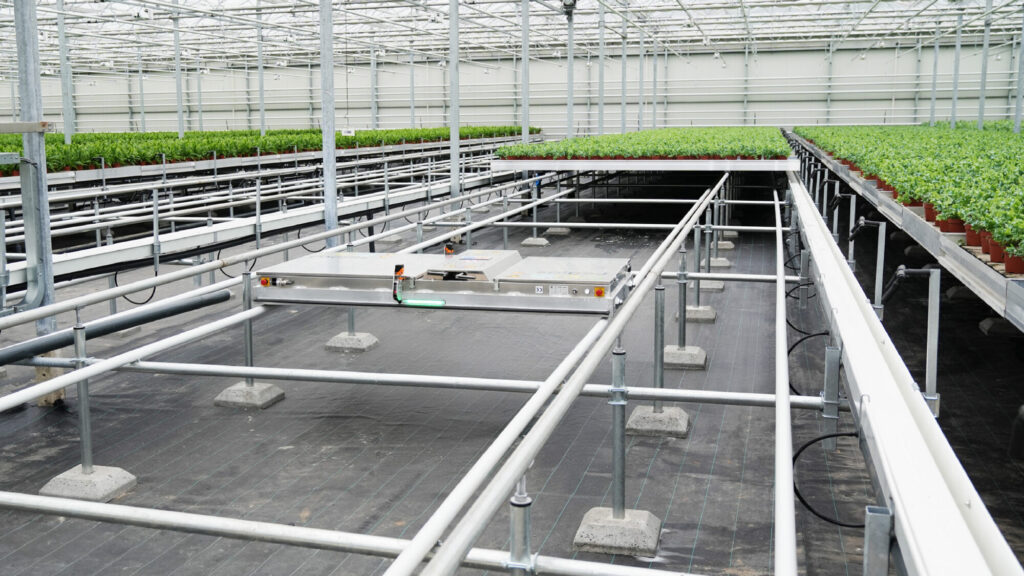
Shanghai-based Jiqing Technology’s AIPaaS greenhouse-control platform is now connected to 67 production bases across China and coordinates roughly 110,000 devices, according to a 15 October 2026 field report by Jiefang Daily journalist Shu Han, published by Shangguan News. The figures describe an existing reported installation footprint, not 67 newly opened greenhouses this month.
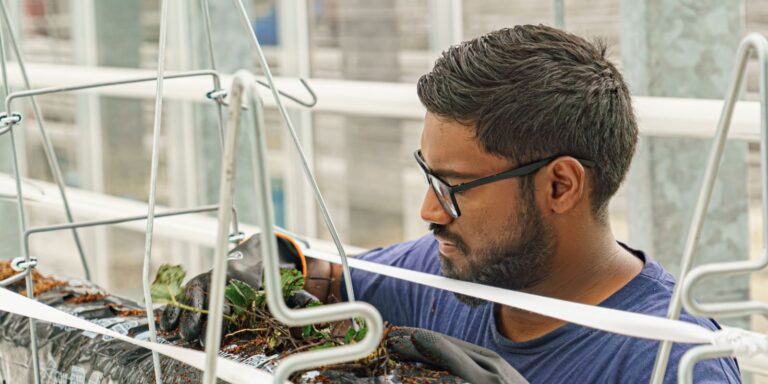
The report includes an operating customer example: a roughly 4,000 sq m hydroponic lettuce greenhouse in Chengdu’s Pidu district. Its manager describes a system that adjusts ventilation windows, fans and cooling pads in response to crop and weather conditions, while staff remain responsible for monitoring and on-site inspection.
From fixed settings to coordinated climate control
AIPaaS is designed to bring greenhouse sensors and devices under a shared decision-making layer. In the Chengdu example, the system considers indoor and outdoor conditions when selecting ventilation or cooling actions. That approach differs from operating each actuator independently or relying entirely on a grower’s manual judgement.
The original reporting quotes the customer manager as saying the change has reduced routine intervention in the greenhouse. This is an operational account from an interviewed user, not a controlled study demonstrating a quantified labour-saving rate, yield increase or energy reduction.
Jiqing’s founder Qin Qing, who previously worked at display manufacturer BOE, established the Shanghai company in 2020. The supplier is positioning locally developed controls as an alternative for Chinese facilities using imported greenhouse climate computers, with software that can be adapted to varied crops and existing equipment.
Reported scale and what it does not prove
Shangguan News reports connected sites in regions including Shanghai, Beijing, Henan, Zhejiang and Sichuan. It also cites more than 20,000 accumulated control decisions. The 67-base and 110,000-device totals come from the supplier through the original reporting, not from independently audited installation records.
For greenhouse technology buyers, the distinction matters. An operating customer greenhouse supports the claim that the platform has moved beyond a laboratory demonstration. It does not establish the same level of automation, crop performance or profitability at every site counted in the total.
Retrofitting existing structures is a different market
The company is also pursuing phased upgrades for older greenhouses, according to the report. Integrating different generations of fans, vents, shading equipment and irrigation controls can require basic electrical and network work before an AI layer becomes useful. Jiqing describes a gradual route from sensing and semi-automatic operation to more advanced decisions, rather than assuming a software installation can bypass missing hardware.
That implementation burden is relevant to commercial growers weighing software subscriptions or retrofit proposals. Device compatibility, service support and measured results at comparable crop sites remain more useful procurement evidence than the headline number of connected devices alone.
Key takeaways
- Deployment: Chinese original reporting cites 67 connected production bases and around 110,000 managed devices across Jiqing’s platform.
- Customer evidence: a reported operating 4,000 sq m hydroponic lettuce greenhouse in Chengdu is described with automatic climate interventions.
- Verification limit: network scale, equipment counts and business benefits have not been independently audited; performance can differ between sites.