

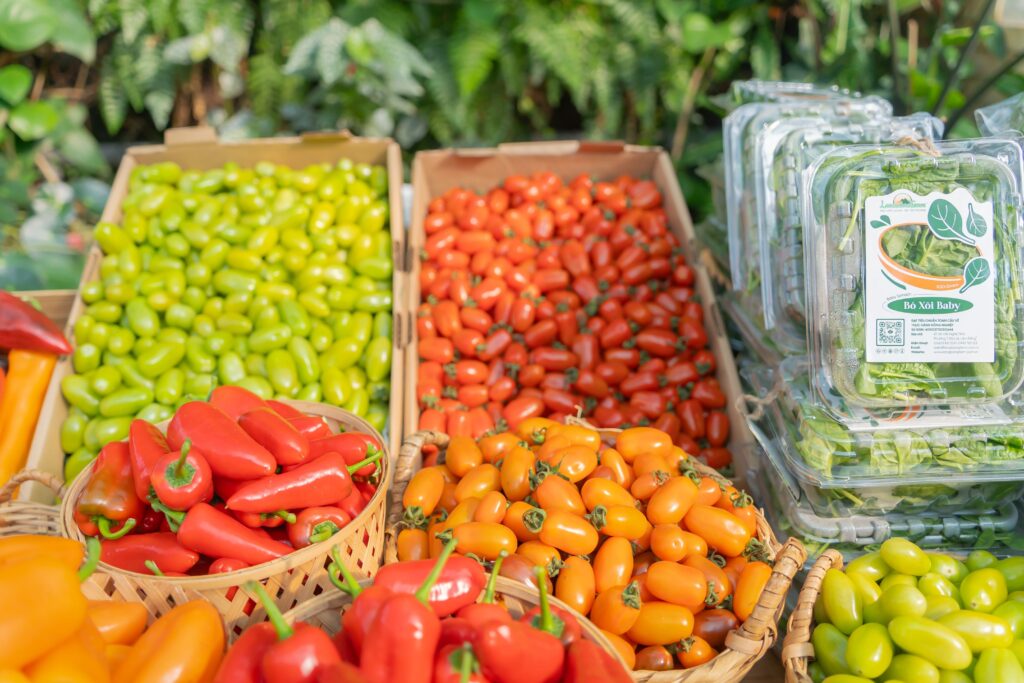
Spain imported 89,729 tonnes of peppers between January and September 2026, an 18% increase from the same nine months of 2025, while tomato imports rose 7% to 168,345 tonnes. Over the same period, the country’s export volumes of both crops fell by 3%, according to figures published by Spanish fresh-produce association FEPEX on 18 November.
The figures are based on Spanish Customs and Excise Department records processed by FEPEX. They cover fresh-produce trade as a whole, not just greenhouse-grown vegetables. That distinction matters for protected-crop operators assessing competition and their position in European supply chains.
Imports gain while vegetable exports contract
Across all fresh fruit and vegetables, Spain’s imports increased 6% in volume to around 3.5 million tonnes in January–September. Vegetable imports alone rose 3% to about 1.6 million tonnes, with peppers and tomatoes recording stronger growth than the category as a whole.
Spanish fresh-produce exports reached approximately 8.8 million tonnes, up just 0.5% year on year. Vegetable exports moved in the opposite direction, falling 1% to 3.7 million tonnes. Alongside the 3% declines for peppers and tomatoes, FEPEX reported increases of 3% for lettuce exports and 2% for cucumber exports. The mixed crop performance makes the overall export figure a poor substitute for individual market trends.
Export value grows faster than shipped volume
In value terms, Spain’s fresh fruit and vegetable exports increased 6% to €14.59 billion despite the near-flat volume. The value of vegetable exports rose 9% to €6.27 billion even as their tonnage declined. Total imports also rose 6% in value, to €4.30 billion, while vegetable import value fell 2% to €1.16 billion.
These differences between value and tonnage are commercially relevant, but the aggregate data cannot by themselves establish changes in farmgate prices or greenhouse margins. Product mix, destinations, origins and sales conditions may all affect the totals.
Why it matters for protected-crop businesses
The combination of higher pepper and tomato imports with lower export tonnage is a signal for Spanish greenhouse operators, packers and produce buyers to examine their crop-specific sourcing and sales exposure. For suppliers and distributors, the headline changes are a starting point for checking where competitive pressure is increasing—not evidence that every growing region or production system experienced the same shift.
The reporting window also matters: these are calendar-year January–September 2026 customs flows. They should not be equated with production or trade data for the separate September 2025–August 2026 greenhouse marketing season.
What remains unclear
FEPEX’s published summary does not break the pepper and tomato totals into greenhouse and outdoor-grown production, identify the key origin and destination markets, or detail month-by-month trade flows. Those distinctions would be needed before drawing conclusions about an individual greenhouse business.
Key takeaways
- Spanish pepper imports rose 18% to 89,729 tonnes and tomato imports rose 7% to 168,345 tonnes in January–September 2026.
- Export tonnage for both crops fell 3%, although the overall value of Spanish fresh-produce exports increased 6%.
- The all-channel customs figures show trade direction, not greenhouse-specific volumes, prices or producer profitability.