

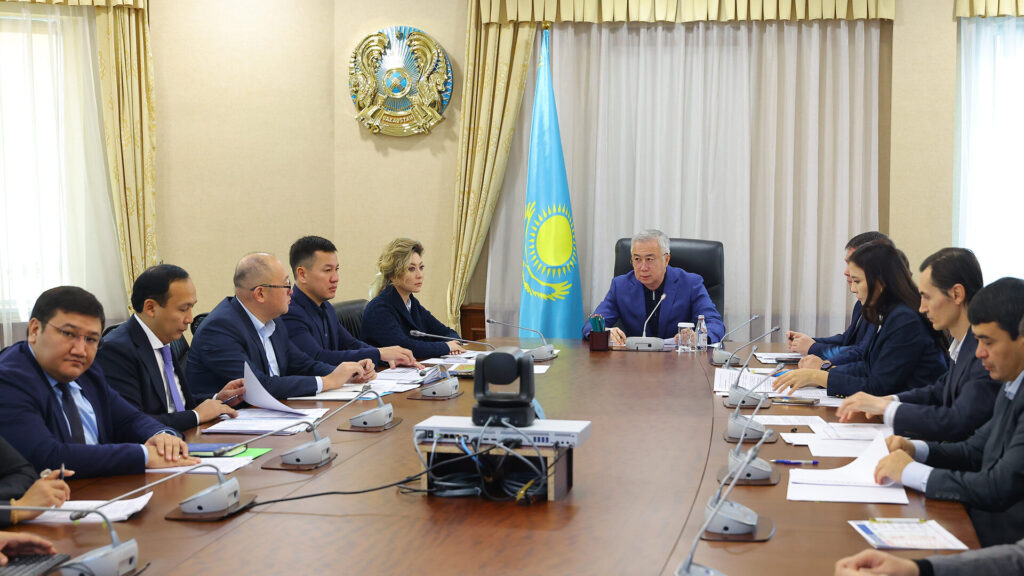
Kazakhstan is considering allowing 14 large greenhouse enterprises that buy electricity on the wholesale market to switch to retail tariffs. The proposal was discussed at a government meeting chaired by Deputy Prime Minister and National Economy Minister Serik Zhumangarin, according to a 23 November government announcement.
The Ministry of Energy and other relevant government bodies have been instructed to develop the mechanism. In exchange, participating enterprises would be expected to commit to stabilising their selling prices for cucumbers and tomatoes.
Electricity arrangements tied to produce prices
The Ministry of Trade and Integration and Ministry of Agriculture have identified 40 large greenhouse operations for negotiations on produce prices ahead of the off-season, when cucumber and tomato prices typically rise. The trade ministry’s 24 November statement describes the electricity proposal as part of that broader price-stabilisation effort.
For greenhouse operators, the significance is the potential link between electricity procurement costs and commitments on produce revenue. The commercial effect would depend on the eventual retail tariff relative to existing purchasing costs, and on the scope and duration of any selling-price obligations. A move to retail purchasing is not itself proof of lower electricity bills.
The government has not published the applicable tariff, the names of the 14 enterprises, detailed eligibility conditions or an implementation timetable. The next material development will be the proposed mechanism itself; until its terms are disclosed, growers cannot reliably quantify the effect on their operating costs or margins.