

Freeman Herbs says routine greenhouse monitoring and maintenance time fell from about six hours to 20 minutes per week after automation involving Microclimates’ EnvOS platform and Bosch Rexroth ctrlX controls. The change amounts to roughly 94%, according to a supplier case study published on 20 November 2026. The result is attributed to the Ontario grower, not established by a published independent audit.
The report concerns an existing installation, rather than a newly commissioned project. Microclimates had already described an initial launch at Freeman Herbs in May 2026. The November development is the disclosure of customer-reported operating experience.
Routine checks and nitric-acid use reportedly declined
Freeman Herbs operates commercial herb greenhouses in Beamsville, Ontario. In a greenhouse research-and-development area, the integrated controls support irrigation, nutrient management, electrical-conductivity (EC) and pH adjustment, tank filling and sanitation routines. EnvOS provides process visibility, alerts and historical data, while Bosch Rexroth ctrlX supplies industrial control hardware.
Microclimates reports that routine weekly oversight fell from approximately 360 minutes to 20 minutes, a reduction of about five hours and 40 minutes. It also attributes a greater than 50% reduction in nitric-acid consumption to the grower. The acid figure refers to chemical use, not verified cost savings. The case study does not provide the measurement periods, chemical-consumption logs or an independently tested baseline for either result.
Equipment alerts exposed pump and plumbing faults
The supplier describes two incidents in which automated warnings helped staff identify problems. A low-pH alert led to a failed circulation pump; tank-fill and pH warnings also brought attention to a plumbing fault that had left a solution tank empty and unable to refill. These are reported examples of earlier fault detection, not independently measured avoided crop losses.
Microclimates says setup required joint fine-tuning and continuing support. The operator later introduced a peroxide-injection process as its growing strategy evolved. The account illustrates how a combined software-and-industrial-control system can accommodate changes, although it does not quantify resulting yield, crop quality or production gains.
What the results mean for greenhouse operators
For growers considering connected irrigation and fertigation controls, this case provides a specific account of reduced repetitive checks alongside alerts for operational exceptions. It does not establish that similar outcomes will follow at other greenhouses. The installation footprint, number of controlled devices, capital and operating costs, and independently verified return on investment have not been disclosed.
The distinction matters: Microclimates’ illustrative annualized labour value is a scenario based on the reported weekly time difference, not a demonstrated cash saving. Operators assessing comparable systems would still need site-specific baseline records, maintenance experience and the total cost of ownership.
Key takeaways
- Microclimates reports that Freeman Herbs reduced weekly routine checks from around six hours to 20 minutes using EnvOS and ctrlX integration.
- The supplier also attributes more than 50% lower nitric-acid consumption and earlier equipment-fault detection to the installation.
- These are customer-attributed results; installation scope, measurement records, independent verification and financial payback remain undisclosed.
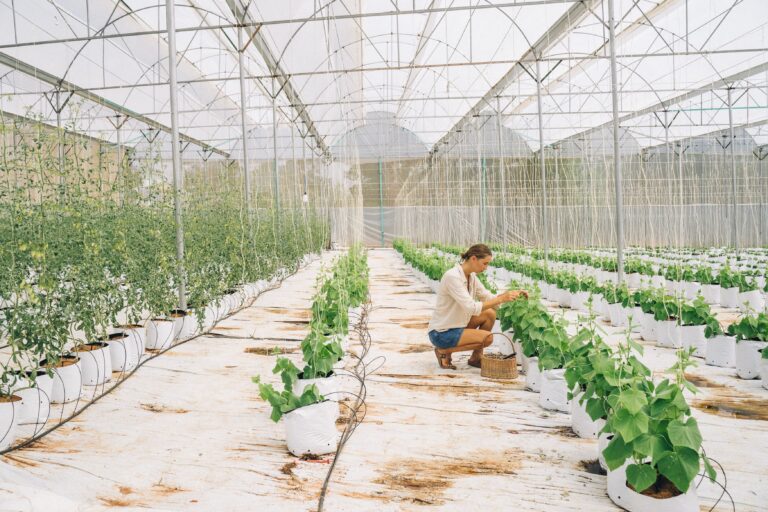
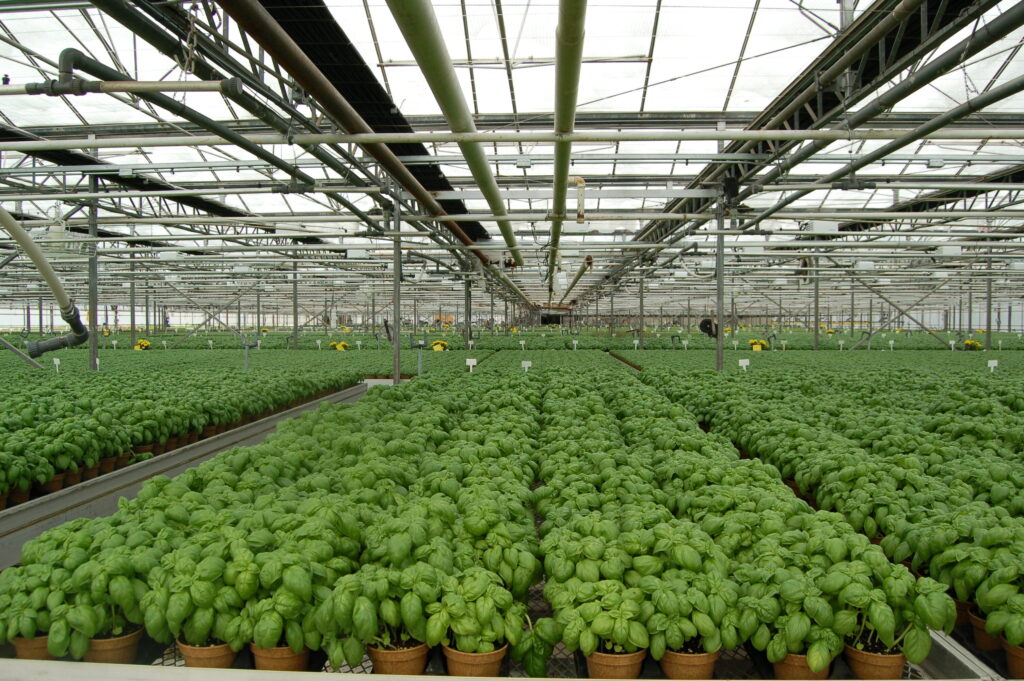
Featured photo: undated Freeman Herbs company image showing basil production in a commercial greenhouse. It provides facility context and does not depict or verify the reported EnvOS installation. Photo: Freeman Herbs.