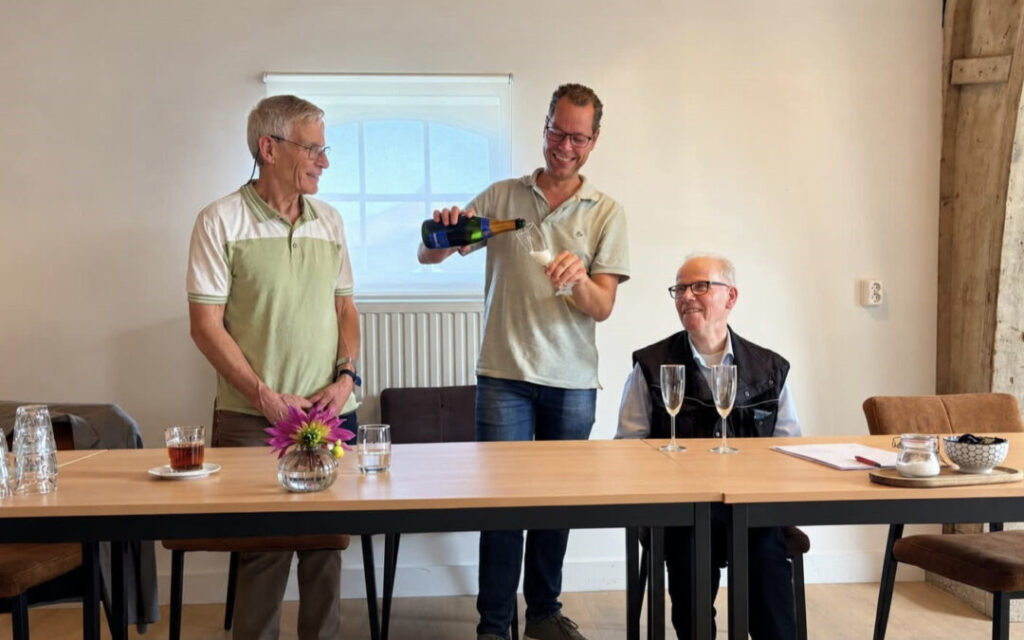
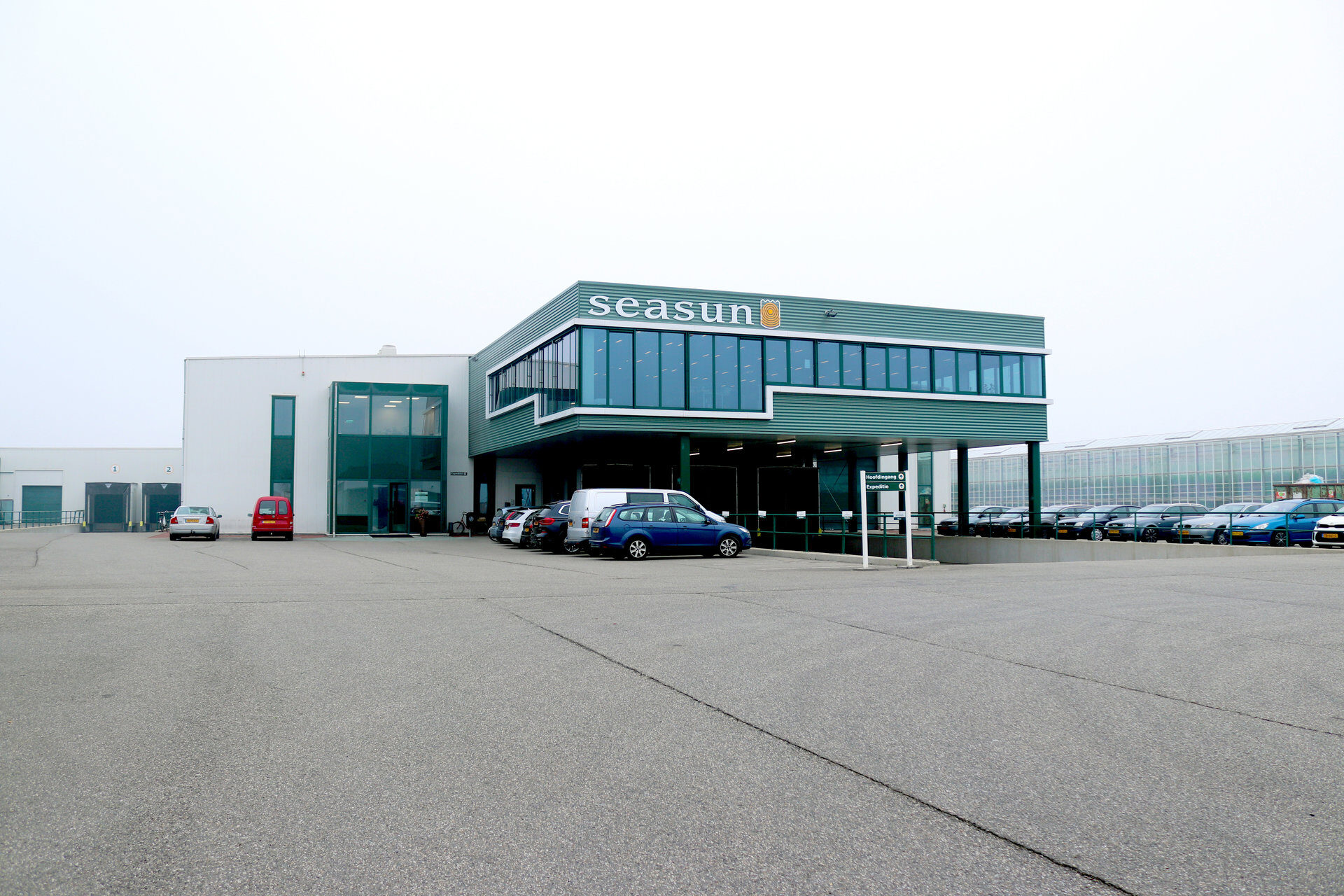
Jan van Genderen Beheer has reached an agreement with the Gresnigt family to acquire Dutch greenhouse producer Seasun, a 63-hectare tomato and pepper operation in Kapelle. The proposed transaction remains subject to approval by the Netherlands Authority for Consumers and Markets (ACM), according to Dutch greenhouse trade reporting.
The deal would change Seasun’s ownership while keeping the company operationally independent. Current managers Jan and Wim Gresnigt, Jeroen Steenbrink and Jozua Lagendijk are expected to remain responsible for day-to-day management.
The transaction is still conditional
Vakblad Onder Glas reported that Jan van Genderen Beheer and the Gresnigt family have agreed the acquisition, but the transaction still requires ACM approval. AGF.nl separately reported the same agreement and regulatory condition.
No purchase price, expected closing date or detailed post-closing ownership structure has been disclosed. The transaction should therefore be treated as an agreed acquisition awaiting regulatory clearance rather than a completed transfer.
Seasun remains focused on tomatoes and peppers
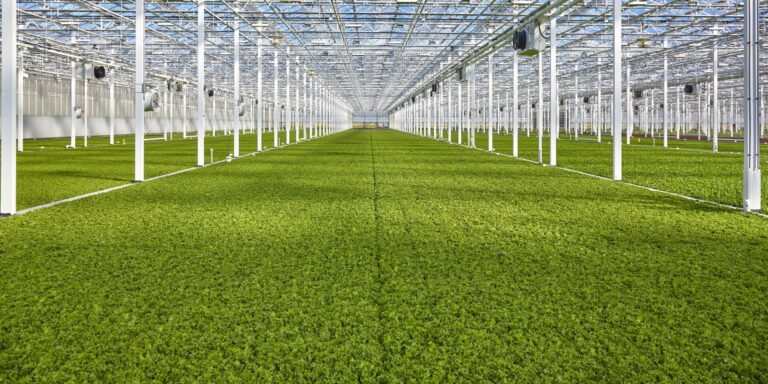
Seasun’s own website states that its Kapelle site contains 63 hectares of greenhouses, including 13 hectares with lighting, and that the company produces several types of tomatoes and peppers. The business also operates its own conditioned packing hall.
Under the proposed ownership change, Seasun is expected to continue its existing crop focus and operate independently. The reports also describe a new cooperation with Royal Berry, a sister company within Van Genderen’s group, with the businesses expected to share knowledge and experience while maintaining Seasun’s current operating direction.
Why it matters
A 63-hectare ownership transfer is material in the Dutch greenhouse sector because it moves a sizeable operating production base without an announced change in crops or local management. For growers, suppliers and competitors, the near-term signal is therefore consolidation at ownership level rather than an immediate production restructuring.
The Royal Berry link could create opportunities for shared expertise and group-level coordination, but neither company has disclosed quantified synergies, procurement changes or capacity plans. Those potential effects should not be assumed before the transaction clears regulatory review and the new ownership structure is implemented.
What remains unclear
The financial terms, expected ACM decision date and transaction closing timetable have not been disclosed. There is also no public detail yet on whether the new ownership will change Seasun’s investment programme, sales organisation or supplier relationships.
Key takeaways
- Jan van Genderen Beheer has agreed to acquire Seasun from the Gresnigt family, subject to ACM approval.
- Seasun operates 63 hectares of greenhouses in Kapelle and is expected to remain focused on tomatoes and peppers under its current management.
- The transaction value and closing timetable remain undisclosed.