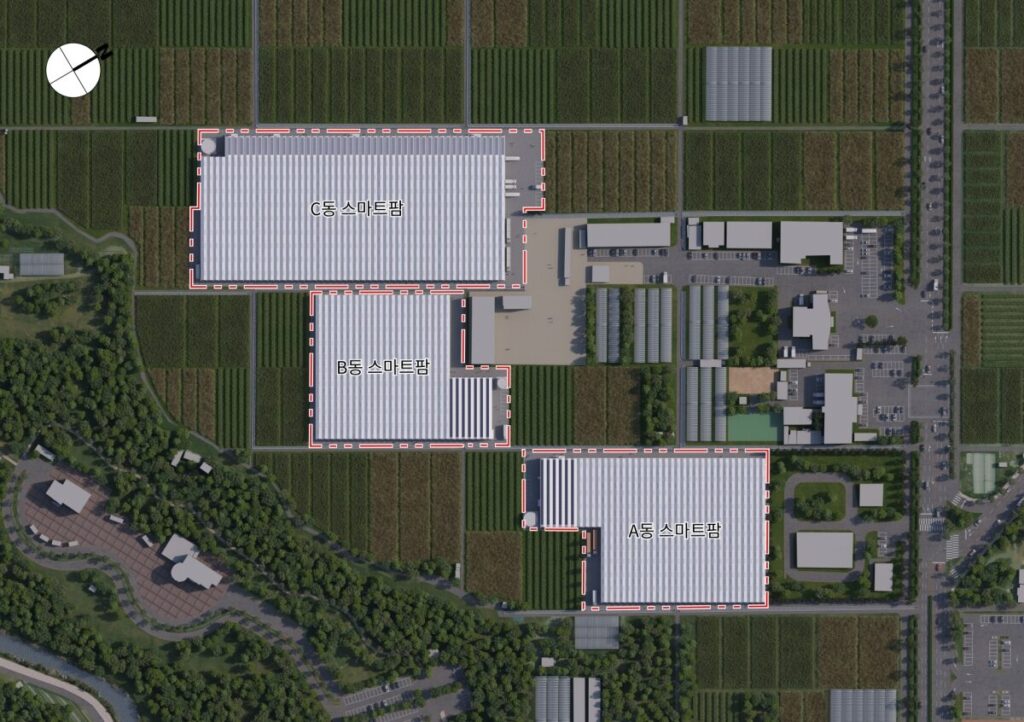
Geochang County in South Korea has been selected for a national low-carbon energy support programme that would finance geothermal heating and cooling for a smart-farming district. The project carries KRW 6 billion in planned central and local government funding, according to a 12 October report by Yonhap citing South Gyeongsang Province.
The selection concerns a shared energy installation scheduled for 2027–2028, rather than a completed system. It would be added to the smart-agriculture development at Daepyeong-ri in Geochang-eup, where a wider greenhouse district is already being developed.
Geothermal network planned for three rental greenhouses
The district covers approximately 4 hectares and includes three planned rental smart-farm greenhouse buildings intended for strawberry and tomato cultivation. The four hectares describe the district site, not a confirmed net greenhouse growing area.
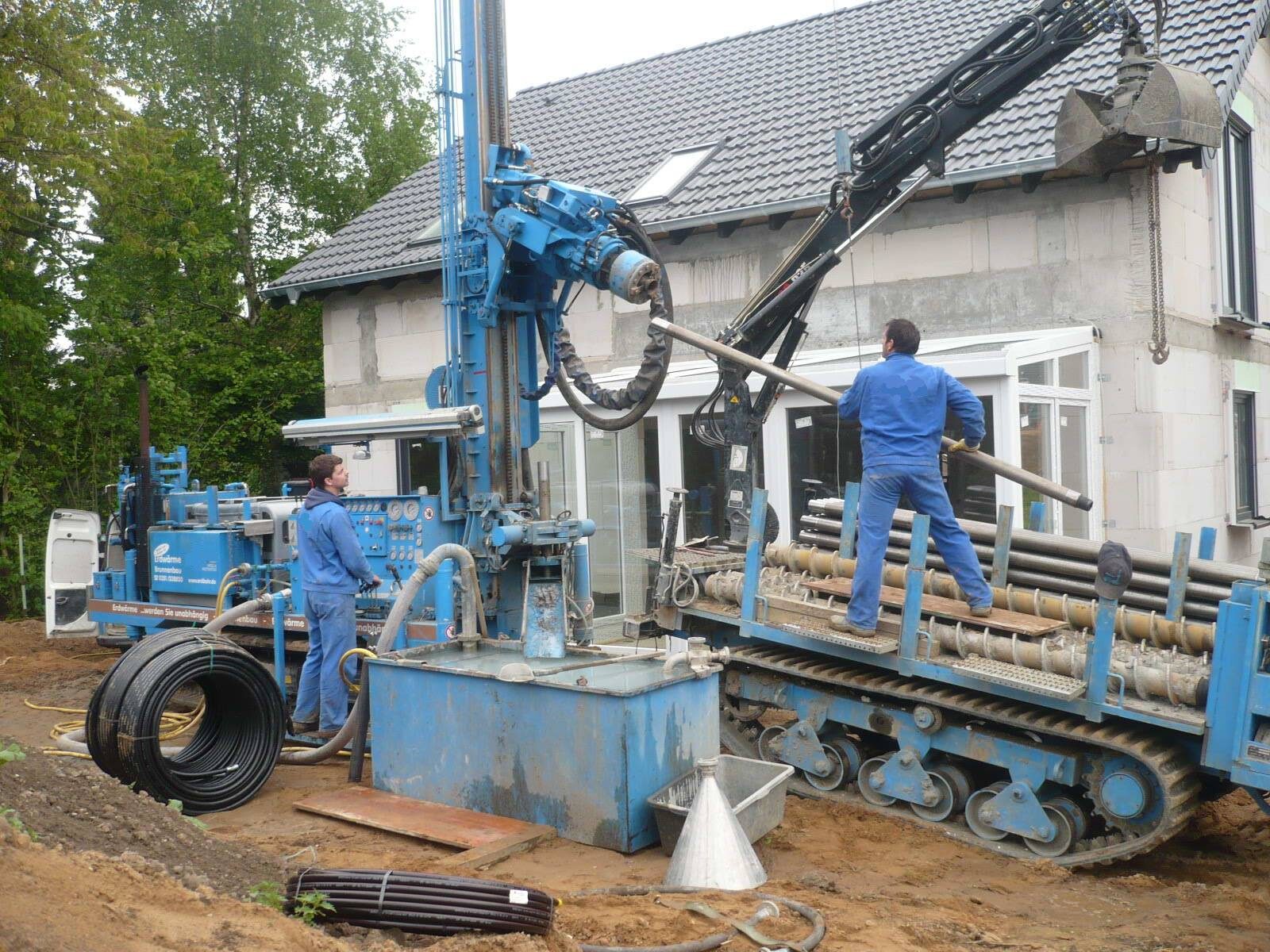
County officials plan 273 geothermal boreholes and a shared heating and cooling installation. Of the KRW 6 billion project budget, KRW 4.2 billion is the national contribution, with the remainder funded locally, according to NewsPim’s original report on Geochang County’s announcement. Work is intended to take place in 2027 and 2028; the reported figures describe the proposed buildout, not equipment already installed.
Energy savings are projected, not measured
South Gyeongsang Province estimates that switching greenhouse heating and cooling away from oil or conventional electricity use towards geothermal energy could reduce growers’ energy costs by around 70%. That is the province’s forecast, reported by Yonhap, not a saving demonstrated at the Geochang site. Operational results will depend on the final energy system and the greenhouses’ actual heating and cooling demand.
The shared-energy funding is a new component of a smart-agriculture district initiative underway since 2025. The 12 October development is therefore the selection for the geothermal support programme, not an announcement that the district or its energy infrastructure has opened.
What businesses should watch
For suppliers of ground-source energy and greenhouse climate infrastructure, the selection identifies a future publicly financed project involving borehole drilling, heat exchange and shared distribution. For prospective greenhouse tenants, the critical question will be how the commissioned system performs against the province’s cost-saving forecast.
Contract awards, installation progress and eventual commissioning are the next practical milestones. The provincial and county reports establish funding selection and a 2027–2028 implementation plan, not a completed procurement process or an operating energy network.
Key takeaways
- Geochang has been selected for a KRW 6 billion public geothermal energy project serving a planned rental smart-farm district.
- The proposed works include 273 boreholes for a roughly 4-hectare site with three greenhouse buildings; installation is planned for 2027–2028.
- Officials project energy-cost savings of around 70%, but no operating results are available yet.
Featured image: Geochang County rendering of the proposed smart-farming district, via NewsPim. This is an architectural illustration, not a photograph of completed geothermal infrastructure.