


Photo: Junta de Andalucía. Officials and horticultural-sector representatives meeting in Almería on 15 October 2026 to discuss Thrips parvispinus control measures.
Andalusia’s agricultural authorities have carried out 922 inspections and imposed 272 sanctions for breaches of mandatory measures against Thrips parvispinus, an invasive pest affecting protected vegetable production in Almería. The figures were disclosed on 15 October 2026 as regional officials met greenhouse-sector representatives to discuss the latest outbreak conditions.
The regional agriculture ministry’s statement identified failures to follow the compulsory protocol for removing affected crops as a particular concern. Officials warned that improper removal can leave pest reservoirs and increase the risk of spread to neighbouring holdings. These are cumulative enforcement figures reported by the authority, not inspections or penalties carried out on a single day; the announcement does not establish how many individual farms were inspected.
Crop removal is already mandatory
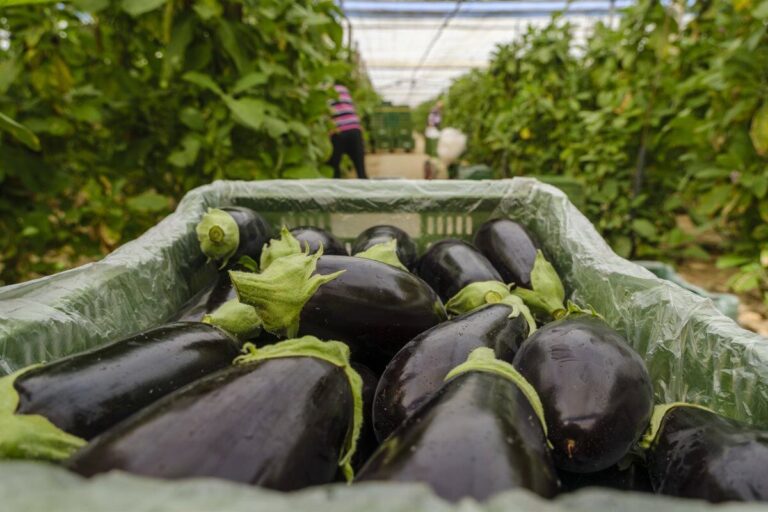
The reported enforcement is not a newly enacted pest-control law. A resolution dated 10 April 2026 and published in Andalucía’s official gazette established mandatory and recommended measures for Thrips parvispinus. Its crop-removal protocol covers greenhouse holdings producing peppers, cucumbers, aubergines, courgettes, melons and watermelons in Almería and Granada.
The regional government says peppers are currently among the crops most affected. Its October announcement does not provide farm-by-farm sanction outcomes, total infested greenhouse area or a quantified assessment of lost production. Operators should therefore distinguish the confirmed enforcement activity from any estimate of the region’s overall crop losses.
Growers and officials consider further controls
The meeting involved producer and trade organisations Hortyfruta, Coexphal, Asaja, COAG, UPA and Ecohal, alongside regional agriculture officials including secretary-general Manuel Gómez Galera. According to the ministry, a technical committee was to meet during the following week to examine prevention, crop-removal procedures, research and additional plant-protection tools.
Potential requests for exceptional authorisation of phytosanitary products were among the options discussed. No new exceptional product approval was announced in the 15 October statement. Officials also said Almería’s pepper exports remained guaranteed and that pest presence did not affect food quality or taste; those are government assurances, not an independent market audit.
What the enforcement means for greenhouse operators
The disclosure makes compliance with existing plant-health rules an immediate operating consideration for greenhouse growers, rather than a distant regulatory proposal. Timely removal of affected crops, records of required controls and coordination with neighbouring operations matter because one holding’s pest pressure can extend beyond its own greenhouse.
The next material signals are the technical committee’s recommendations, any actual changes to approved control tools and updated evidence on production impacts. Until then, the verified development is the scale of inspections and sanctions under an existing legal framework.
Key takeaways
- Andalusia reported 922 inspections and 272 sanctions for breaches of mandatory Thrips parvispinus measures as of 15 October.
- Existing April 2026 rules, including an affected-crop removal protocol, are being enforced; no new law was announced in this update.
- A technical committee was planned to assess further responses, but no exceptional plant-protection authorisation has been confirmed.