

England’s Department for Environment, Food and Rural Affairs (Defra) has published two environmental-release notices for gene-edited tomato lines developed by UK plant-breeding company Phytoform. The notices, PBR/26/011 and PBR/26/013, were published on 3 November 2026 and describe planned research releases that may begin on or after 19 November. They are not authorisations to sell the edited tomatoes or their seed.
Both appear in Defra’s official precision-breeding register, which separates notices of environmental releases from marketing notices and decisions. Publication of a release notice does not establish that planting or testing has already started on the earliest specified date.
One compact-growing line and one fruit-stalk trait
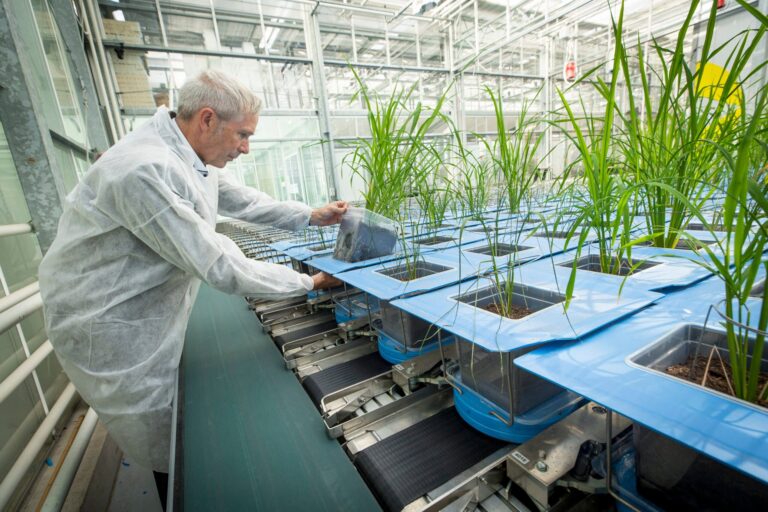
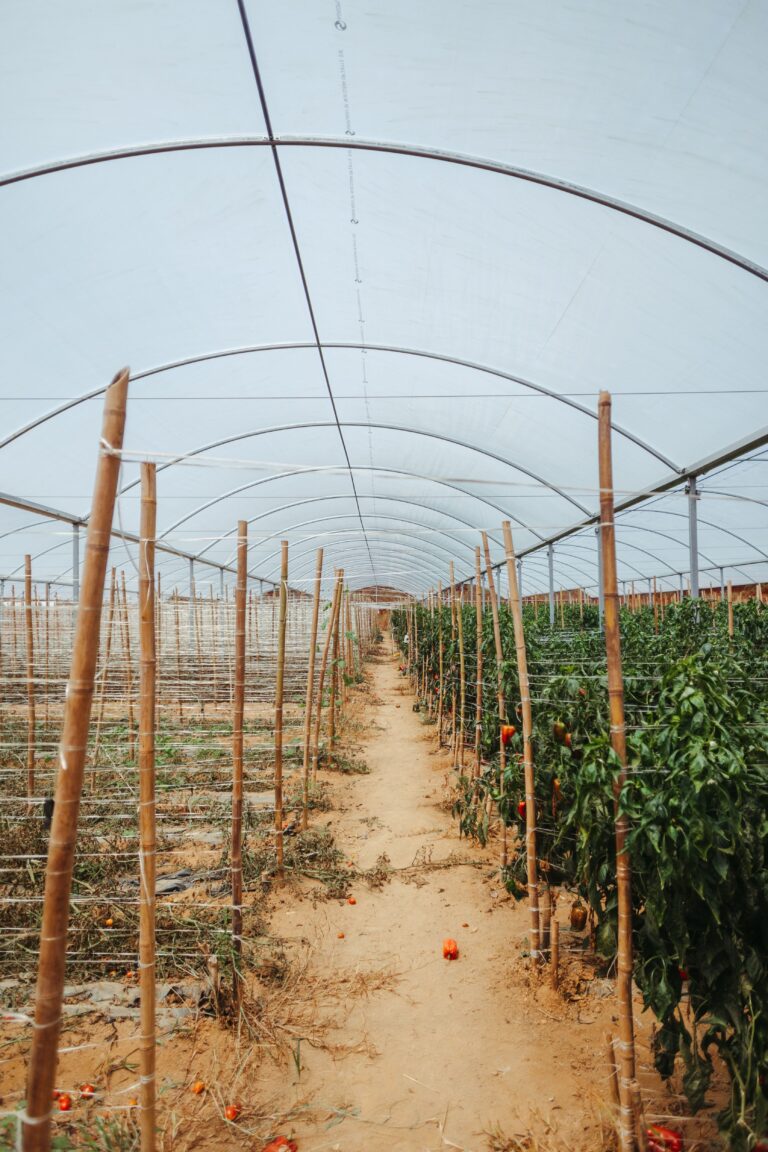
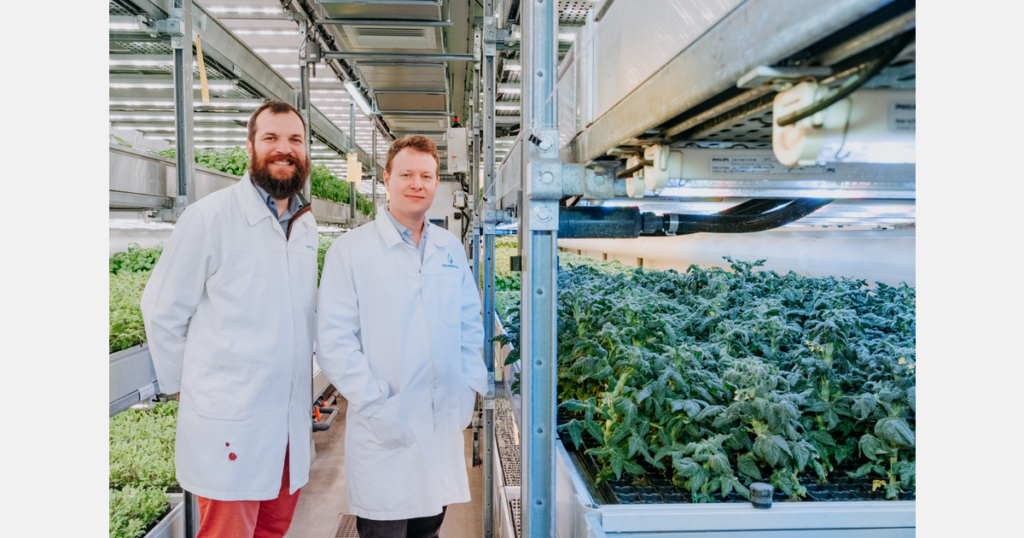
In notice PBR/26/013, Phytoform describes targeted deletions affecting two genes. The intended result is a tomato plant with shorter internodes and less branching from the main stem, producing a shorter, more compact growth habit. The company lists glasshouses, controlled-environment cabinets and research fields among the proposed release settings, with assistance from research institutes, seed companies and growers.
Notice PBR/26/011 describes a different change: targeted deletion of one gene to eliminate the abscission zone of the tomato fruit pedicel, the specialised tissue associated with fruit separation from the stalk. The notice identifies glasshouses and controlled-environment cabinets at Rothamsted Research as release facilities.
These are two separate tomato trait developments, not a single approved commercial variety. A separate Phytoform notice numbered PBR/26/012 concerns potatoes and is not part of the tomato update.
Environmental release is not a marketing clearance
Under England’s precision-breeding framework, developers notify Defra about intended research and development releases. Marketing requires a separate regulatory process. In both tomato notices, Phytoform confirms it will take appropriate steps to prevent material from being marketed until a distinct precision-bred confirmation is issued.
For greenhouse businesses, the notices identify which plant-architecture and fruit-retention concepts have reached a documented research-release stage. They do not provide comparative yield data, crop-management economics, verified shelf-life performance or evidence of seed availability to commercial growers.
What to watch next
The published documents do not independently confirm the actual date or sites of each subsequent release, commercial trial results, licence partners or a marketed product timetable. Evidence of completed trials and any later marketing confirmations would be more significant steps towards practical protected-crop adoption.
Key takeaways
- Defra published Phytoform’s two distinct tomato environmental-release notices on 3 November, with intended releases from 19 November at the earliest.
- One line targets compact plant growth; the other targets the fruit-stalk abscission zone.
- Neither notice is approval to market seeds or proof of commercial greenhouse performance.