

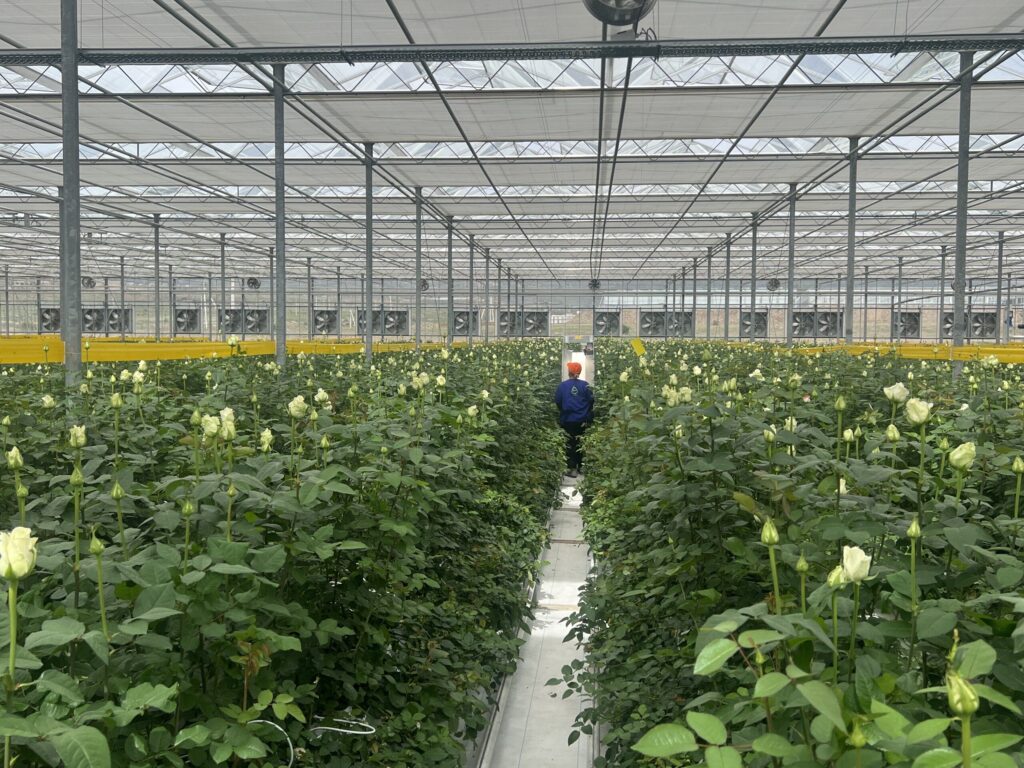
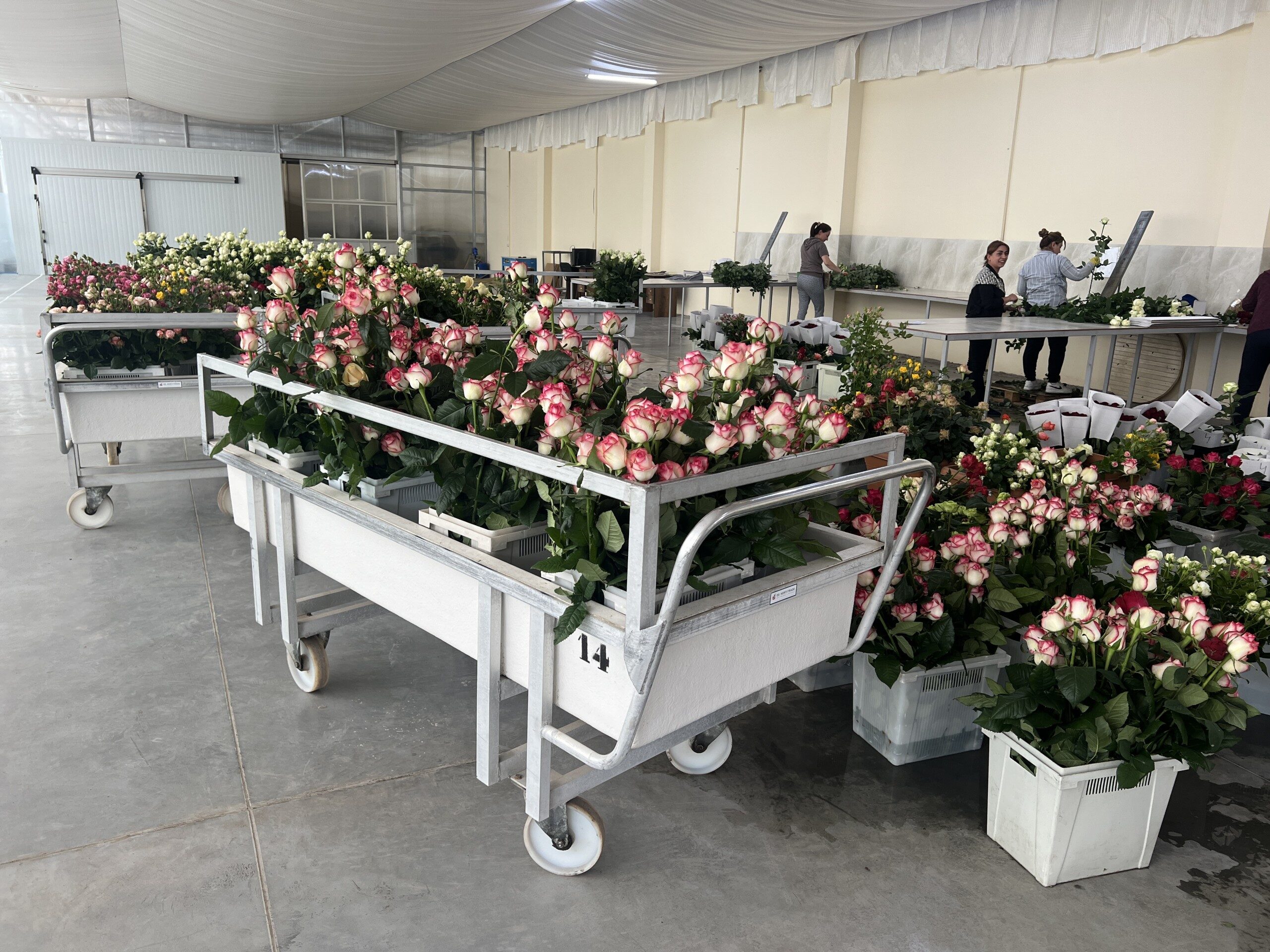
Armenia has extended compensation for exports of selected greenhouse-grown products to shipments made in October 2026, setting a rate of AMD75 for each qualifying rose stem. The measure follows government amendment No. 1496-L, adopted on 15 October, to the greenhouse export-support programme established under Decision No. 800-L.
The amended rules cover eligible products exported from 1 October to before 1 November 2026. The amendment took effect on 16 October, while exporters have until 1 December 2026 to submit claims for October shipments. The rates apply to documented exports, not to greenhouse production or domestic sales on their own.
October reimbursement rates differ by crop
The legal schedule sets separate compensation amounts for the products and customs classifications covered by the October extension:
- Roses: AMD75 per stem.
- Other eligible cut flowers: AMD50 per stem.
- Strawberries: AMD770 per kilogram.
- Tomatoes: AMD275 per kilogram.
- Peppers: AMD400 per kilogram.
The distinction between roses and other cut flowers is specific to the October schedule. Exporters need to check the applicable product classification and shipment documentation rather than assume a single payment rate across flowers or vegetables.
Claims require export and greenhouse-production evidence
Under the consolidated government decision, eligible applicants include Armenian-resident companies, individual entrepreneurs and individuals exporting covered products from Armenia. They must submit the prescribed application to the Ministry of Economy, together with the relevant customs or transport declaration, an invoice and a declaration confirming that the products were greenhouse-grown. One application covers the eligible products exported during the relevant month.
The ministry is to review a claim within 12 working days after receipt. Where the application meets the requirements, an agreement is signed; payment is then scheduled within five working days subject to the availability of funding. The October amendment also requires a proposal for the necessary budget changes and allocation to be submitted by 10 November. These steps do not establish that reimbursements have already been paid.
Why the extension matters to exporters
Per-unit support can affect how growers calculate the net proceeds of export shipments, particularly where flowers, tomatoes, peppers and strawberries face different handling and transport costs. The cash-flow effect depends on eligible shipped volumes, successful applications and the eventual funding of claims—not on the headline reimbursement rate alone.
For a sense of potential scale, ARKA reported government projections of about 5.6 million roses and 1.4 million other flowers exported in October, alongside roughly 200 tonnes of strawberries and 2,550 tonnes of vegetables. These are forecasts, not confirmed shipment totals or evidence of approved payouts. The separate AMD2.47 billion agricultural-export compensation plan reported by ARKA should not be treated as a greenhouse-only allocation.
Key takeaways
- Armenia’s October 2026 greenhouse export-support schedule pays AMD75 per eligible rose stem and applies different rates to other flowers, strawberries, tomatoes and peppers.
- October claims must be filed by 1 December with the required export and greenhouse-production documentation.
- Reimbursement remains contingent on the application process and available funding; no payments are established by the extension itself.