

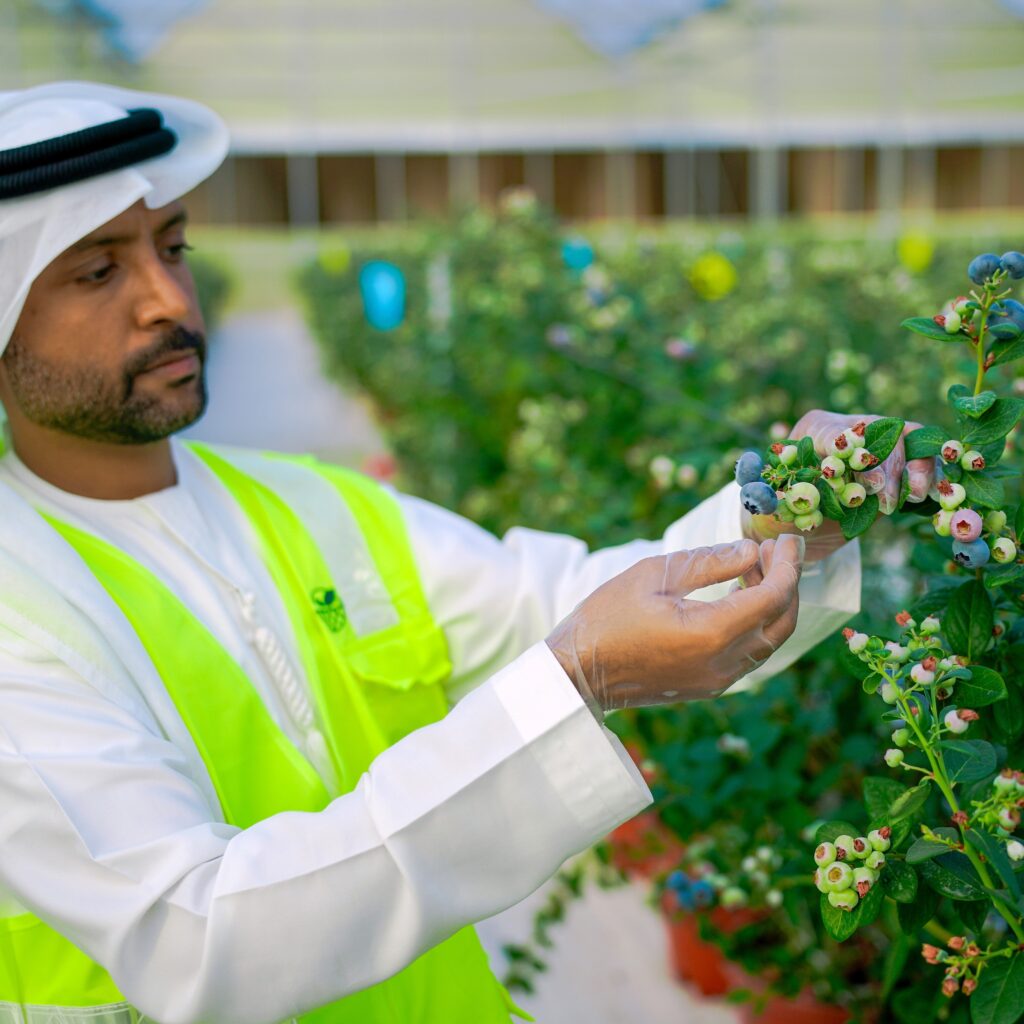
UAE agrifood group Silal has signed a memorandum of understanding with Ayla Berries to introduce IQ Berries blueberry genetics into a proposed 50-hectare production programme in the United Arab Emirates. The agreement, announced on 12 October 2026 following its signing at the Fruit Attraction exhibition in Madrid, is a commercial development plan rather than confirmation that new growing facilities have been completed.
Under the agreement announced by Silal, Ayla Berries acts as the Middle East’s exclusive agent for IQ Berries. The parties intend to give Silal access to selected blueberry varieties and genetics for production in the UAE and potentially other regional markets. The Emirates News Agency also reported the signing on 12 October.
Fifty hectares is a target, not new installed capacity
Silal says it wants to develop 50 hectares of blueberry cultivation over the next three years, initially through its own farming operations. The proposed programme would replace and extend an existing blueberry footprint of approximately 14 hectares; the target should therefore not be read as 50 hectares added on top of the existing area.
Planting is expected to begin in 2027 and the first commercial harvest is targeted for the 2028 season, with the programme working toward its intended production capacity by 2030. Silal describes a planning density of 6,000 plants per hectare. The announcement does not identify specific sites or establish how much of the proposed cultivation area would be under greenhouses rather than other protected systems.
Blueberry genetics for hot-climate production
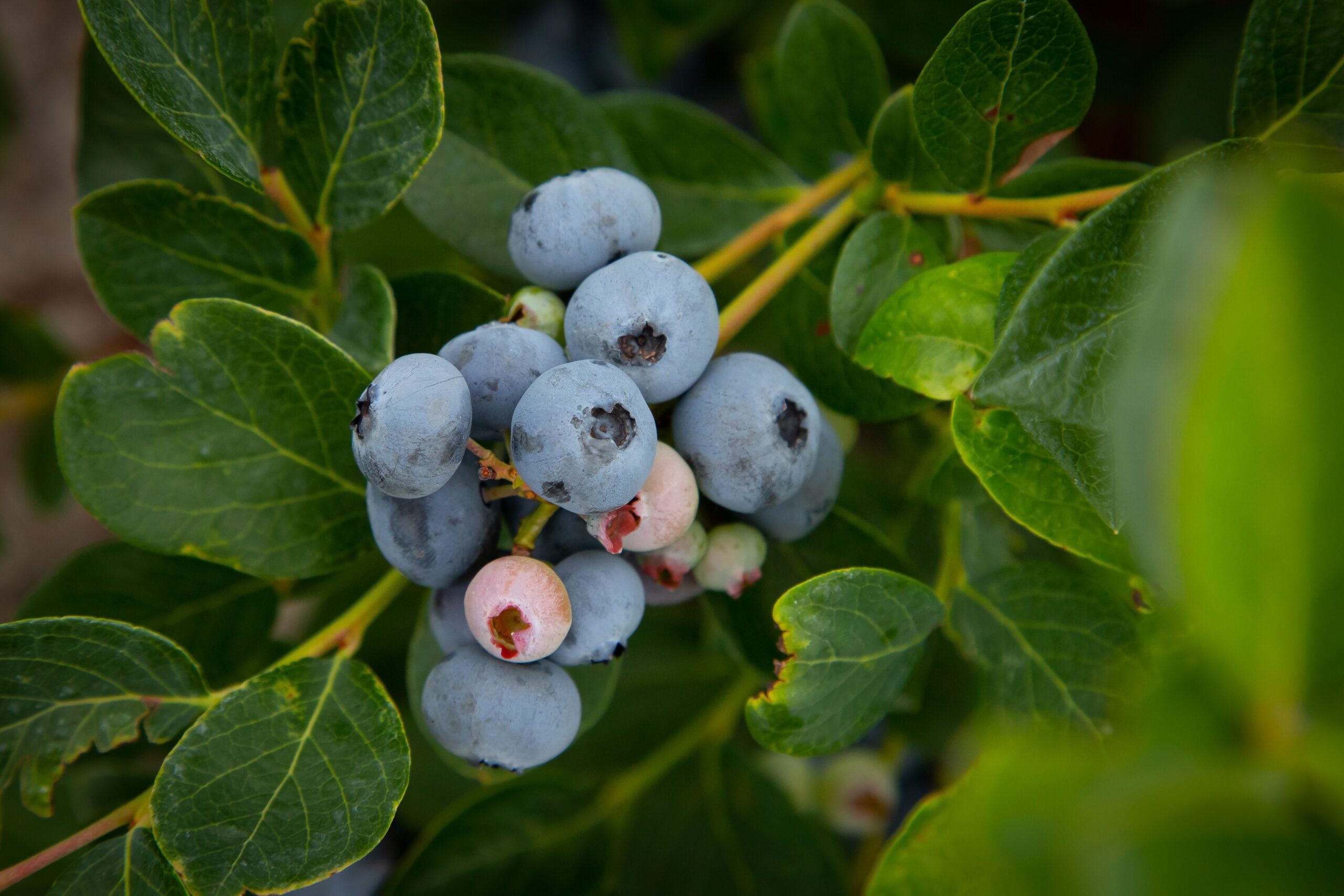
The first intended plant selections are Mega Early and Mega Crisp, which the partners describe as suitable for protected cultivation in warm climates. Their commercial appeal includes fruit firmness, shelf life and the possibility of improving production continuity. These are supplier and partner assessments, not independently demonstrated production results from the proposed UAE programme.
The company also discusses the potential for extended flowering and fruiting under warm conditions. Crucially, Silal explicitly says any such performance still needs successful replication and validation under greenhouse conditions in the UAE. An MoU does not itself prove agronomic performance, investment funding or a construction start.
Why the agreement matters to suppliers and growers
The announcement links three commercial questions: access to proprietary planting material, whether blueberry production can scale in a hot environment and which growers ultimately operate the capacity. For breeding companies and nursery suppliers, the value lies in a potential larger regional market for licensed varieties. For growers and investors, the decisive next signals will be site-level investment commitments, planting progress, real harvest volumes and measured fruit quality.
Key takeaways
- Silal and Ayla Berries have signed a blueberry-genetics MoU targeting a 50-hectare UAE programme, not a completed expansion.
- The plan builds on an existing 14-hectare footprint, with planting targeted from 2027 and first commercial harvests from 2028.
- Commercial performance under the UAE’s greenhouse conditions remains to be validated; site locations and actual protected-structure area are unconfirmed.