

The United Kingdom will keep an import-duty suspension in place for eligible cut flowers from outside the European Union until 31 December 2028, extending a temporary measure that had been due to expire at the end of 2026. The change also matters to flowers traded through EU distribution centres before entering Britain, according to a 29 October statement from Dutch flower trade association VGB.
The extension maintains an existing tariff treatment; it is not a permanent removal of every UK duty on cut flowers. Importers must still establish whether the particular product, customs classification and transaction meet the conditions of the relevant suspension.
Two more years for the current trade arrangement
Under the previous timetable, the cut-flower duty suspension was due to end on 31 December 2026. VGB says the UK decision moves the expiry date to the end of 2028. The association and international floriculture group Union Fleurs had requested an extension, while continuing to advocate a lasting solution rather than repeated temporary renewals.
The UK’s official duty suspensions and tariff quotas guidance describes the wider programme and its temporary nature. The government has extended hundreds of existing suspensions, but the broad guidance should not be mistaken for a commodity-by-commodity ruling on an individual flower shipment.
Why the EU transit route matters
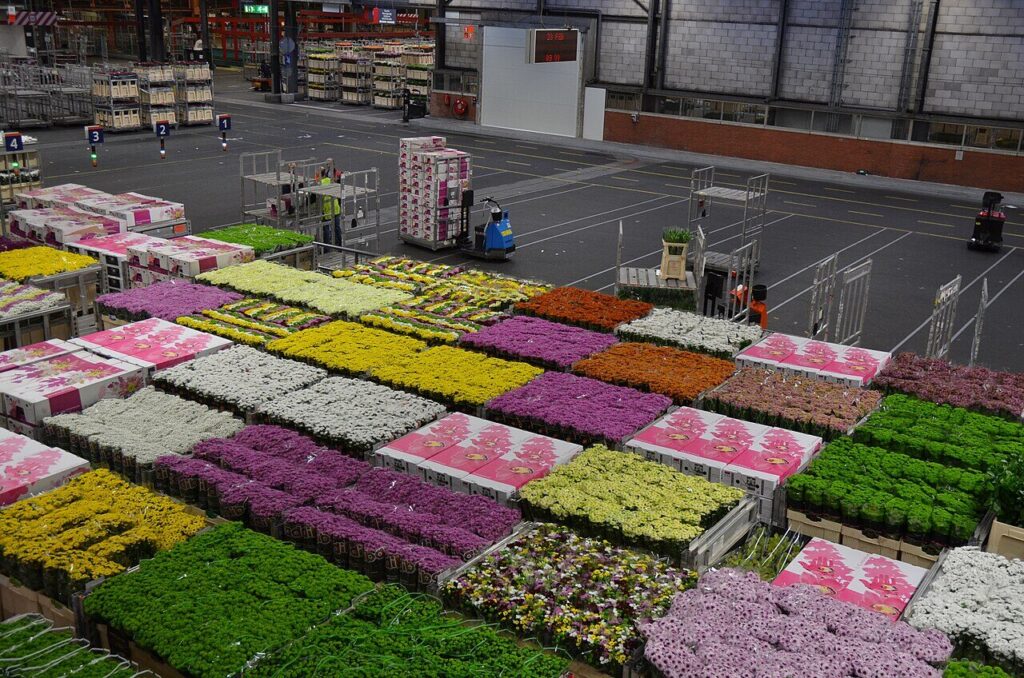
Cut flowers grown outside the EU can enter its wholesale and logistics system before being sent on to the UK. VGB says qualifying non-EU-origin flowers traded via EU member states fall within the extended UK suspension. The route is relevant for growers, exporters, auction and distribution businesses, and British importers assessing their landed costs.
Keeping the suspension may help preserve existing sourcing economics for eligible transactions, but the available announcements do not establish how much any particular importer or greenhouse grower will save. Duty treatment also depends on the applicable commodity code and customs documentation. Businesses should check their specific goods against the UK Trade Tariff rather than assume that all fresh cut flowers and every trading route have identical treatment.
Customs duty and plant-health rules are separate
The decision concerns import duties. It does not in itself remove any applicable sanitary or phytosanitary documentation, border checks or plant-health obligations. Discussions about the future relationship between UK and EU plant-health regimes are a separate process, and a tariff suspension should not be read as their resolution.
For commercial floriculture, the immediate signal is continuity through 2028 rather than a new permanent market-access guarantee. The next important questions are the precise tariff lines covered by an importer’s shipments and whether Britain will renew, replace or end the temporary measure after 2028.