

Morocco has temporarily paused tomato exports to African markets in an effort to improve domestic supply and ease prices, while shipments to European buyers are reportedly exempt. The change was described to Reuters on 5 November by Lahoucine Aderdour, head of the Moroccan fresh-produce exporters’ federation FIFEL, and an unnamed government source.
Aderdour said exporters supplying African destinations had been informed of the decision. The government source called the measure temporary and said exports would resume soon, but no specific date or written enforcement notice was established in the reporting. This is not a reported suspension of all Moroccan tomato exports.
African destinations face a different rule from Europe
According to the government source cited by Reuters, higher-priced tomatoes shipped to European markets are exempt. The distinction matters for exporters with African customers: they may need to review near-term loading plans and buyer commitments, while companies shipping to the EU should not assume that the same reported restriction applies to them.
The precise treatment of consignments already authorised, individual border routes and the duration of the pause are not confirmed by a publicly accessible legal circular in the evidence available for this report. Exporters should confirm operational details with their own customs and trade authorities before changing shipment arrangements.
Domestic prices and the greenhouse supply chain
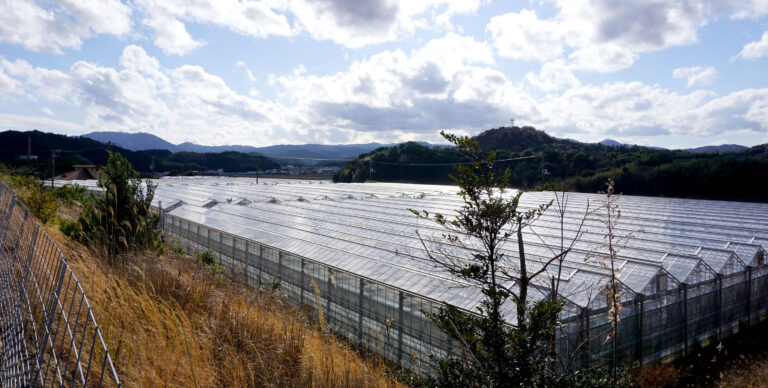
Reuters linked Morocco’s higher domestic tomato prices to weaker productivity in Souss-Massa, a major production centre, alongside rising fertiliser and fuel costs. A Netherlands Agricultural Network overview of Moroccan horticulture identifies Souss-Massa as the country’s main greenhouse-tomato export region. That earlier sector background helps explain why changes in regional growing conditions can affect both domestic availability and export commitments; it does not quantify the impact of this week’s decision.
Reuters also reported that government spokesperson Samir Belfquih, asked about the halt, emphasised food sovereignty without directly confirming the measure’s details. A source-informed pause and an officially published decree are different kinds of evidence, and the latter has not been established here.
What to monitor next
For Moroccan greenhouse operators, exporters and African produce importers, the key follow-up is whether authorities issue written shipment instructions and announce a clear resumption date. Any sustained impact on grower returns, contracted volumes or domestic retail prices would require subsequent trade and price data; the initial announcement does not establish those outcomes.
Key takeaways
- FIFEL’s leader and a government source told Reuters of a temporary Moroccan tomato export pause for African markets on 5 November.
- European-bound tomatoes are reportedly exempt; the measure should not be described as a ban on all Moroccan tomato exports.
- Written operational scope, individual routes and the resumption date remain unconfirmed in the evidence available.
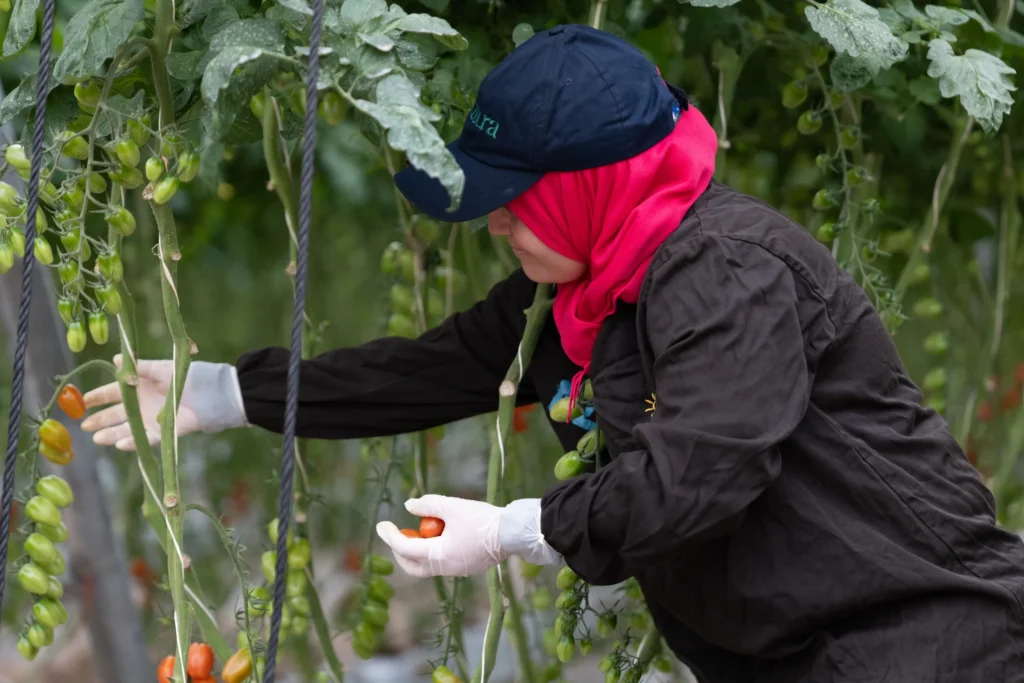
Featured image: Archival Azura Group photograph of greenhouse tomato harvesting in Morocco (2025); illustrative of national production, not the export restriction or any identified affected supplier. Photo: Azura Group.