

Wageningen University & Research (WUR) has outlined a five-year €5.5 million GreenControl research programme that aims to manage greenhouse conditions according to the needs of individual crops rather than relying primarily on a single climate sensor position. In a 4 November 2026 project update, WUR said its researchers and technology partners will test combinations of plant measurements, cameras, models and greenhouse-control algorithms, initially focusing on tomatoes and lettuce.
The proposed approach could influence future spending on sensors, climate computers and energy-management equipment, but GreenControl remains a funded research programme, not a proven commercial greenhouse-control product. Its objectives of 25% lower energy consumption and 35% lower energy costs are targets rather than achieved savings.
Four universities and technology suppliers are involved
The consortium brings together WUR, TU Delft, Eindhoven University of Technology and the University of Twente, with industry participants including Ridder, KUBO Group and Ledgnd. According to the programme’s official funding record, the total budget is approximately €5.5 million, including €3.865 million in cash from the Dutch Research Council (NWO), partner contributions and support through Kas als Energiebron/Kennis in je Kas. A separate €75,000 line shown in the project registry is not the programme-wide budget.
The work is organised around a 3D sensor network, climate modelling and optimisation, measurements of crop performance, and plant-based control strategies. Instead of only measuring a general greenhouse environment, the researchers want to connect measurements of photosynthesis, transpiration, air movement and plant growth with recommendations for heating, ventilation, lighting and CO₂ supply.
Energy targets depend on robust crop-level data
WUR professor Leo Marcelis describes the challenge as choosing how many sensors are useful and where to position them. Monitoring every plant would add cost, while using too few measurement points could miss differences between crop rows or growing zones. Sensors must also remain reliable in warm, humid conditions. Models would need to explain why a climate adjustment is recommended before growers could trust automated decisions.
The TU Delft project description likewise presents the savings as programme ambitions. Whether research can deliver those reductions without reducing yield or crop quality will depend on subsequent trials and independently assessable results; no measured savings or commercial customer rollout was established in the announcements.
What greenhouse buyers should monitor
For greenhouse operators and equipment suppliers, the meaningful next signals are working control prototypes, documented trial performance and evidence that a practical sensor configuration reduces energy bills under real operating conditions. GreenControl may create demand for integrated measurement and control technology, but announced research funding does not itself establish new equipment orders.
Key takeaways
- GreenControl is a five-year, €5.5 million Dutch university–industry research effort focused initially on tomato and lettuce greenhouses.
- Its 25% energy-use and 35% energy-cost reduction goals are prospective, not verified savings.
- Commercial relevance will depend on measurable trials, system reliability and usable integration with greenhouse climate controls.
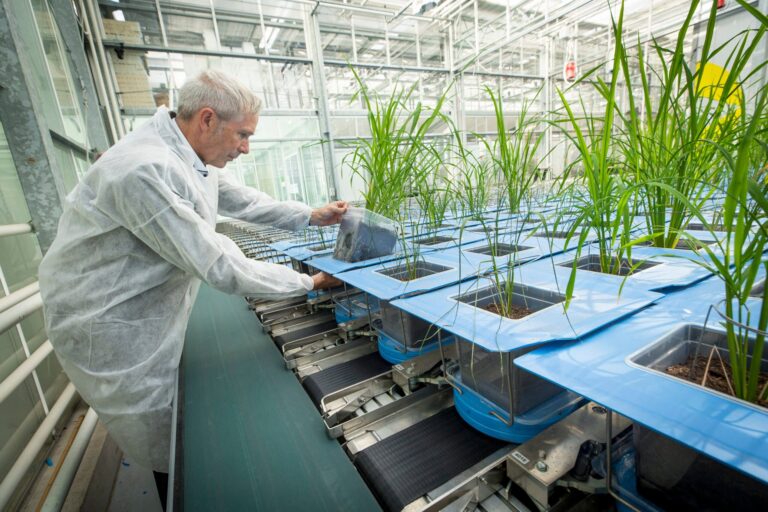
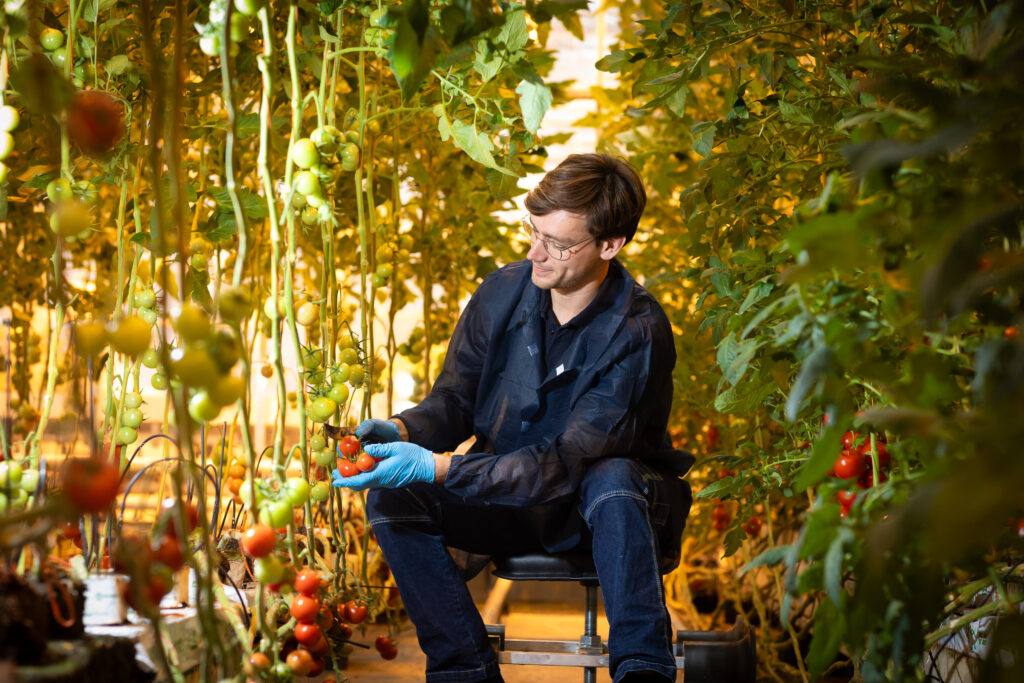
Featured image: Archival Wageningen University & Research tomato greenhouse photograph by Joris Aben / WUR; it illustrates WUR crop research and does not depict a confirmed GreenControl trial. Original source.