

Israel’s Ministry of Agriculture and Food Security has updated its agricultural partnership permit procedure to make it easier to structure capital-intensive projects, including advanced greenhouses, with outside investors. The procedure published on 5 November 2026, and updated on 8 November, creates a conditional route for agricultural landholders whose financial share would otherwise fall below a standard ownership threshold.
Under the revised route, a qualifying landholder may hold less than 26% of the investment, profits and losses in a partnership with a registered corporation. That flexibility is not a waiver of partnership responsibilities: the ministry requires genuine exposure to risk and reward, involvement in decisions and the right to appoint managers in proportion to the landholder’s participation.
Advanced greenhouses qualify for the investment route
The ministry identifies advanced greenhouses among the sectors eligible to seek this form of agricultural-land use permit. Other listed categories include intensive livestock facilities, aquaculture, technology-equipped orchards and vineyards, industrial-scale packing and cold storage, and certain innovative agricultural activities.
The normal capital threshold is total project investment exceeding NIS 5 million. An exception may be available for designated cultivation sectors regarded as important to the national food-security programme, even where investment is below that amount. The notice does not mean every greenhouse crop or every smaller project automatically qualifies for the exception.
A written partnership agreement must also contain binding investment details, the conditions of the arrangement and a clear implementation timetable. Applicants still need an individual permit under the agricultural settlement framework; the ministry’s update does not establish a blanket entitlement to change land use.
Why it matters for greenhouse developers
Large controlled-environment projects may require a combination of agricultural land, specialist operations and external capital. By allowing a smaller financial share for a landholding grower while retaining real participation in management and risk, the updated route gives developers and investors another structure to assess when negotiating projects on agricultural land.
It is a financing and permitting change, not a funding award. The ministry has not named a greenhouse developer receiving approval under the updated procedure or disclosed any investment commitments resulting from it. The commercial effect will depend on case-by-case permits and the terms that applicants can negotiate.
What to watch next
The next concrete signals are individual partnership permit decisions, named advanced-greenhouse investments and confirmation of which crops qualify for the lower-investment exception. Until those emerge, the verified development is the updated administrative pathway rather than a newly approved greenhouse.
Key takeaways
- Israel has opened a conditional partnership-permit route for capital-intensive agriculture that explicitly includes advanced greenhouses.
- A landholder’s investment, profit and loss share can fall below 26%, but genuine partnership governance and risk-sharing still apply.
- The normal investment threshold exceeds NIS 5 million, subject to a limited food-security exception, and individual approval is still required.
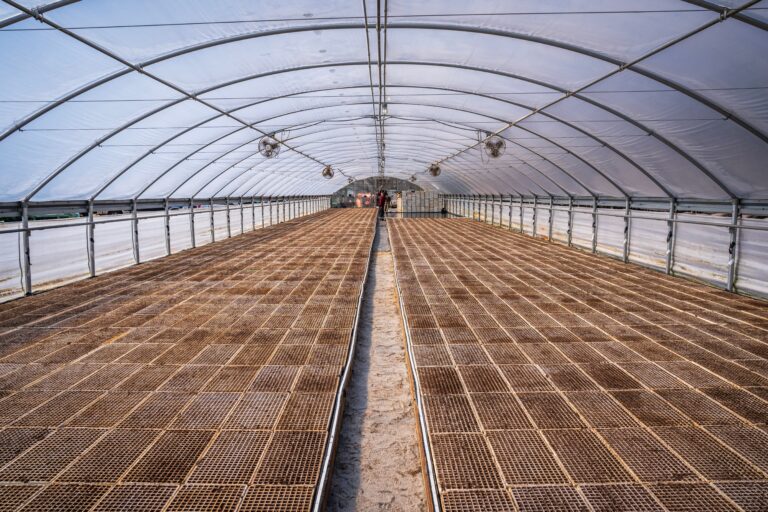
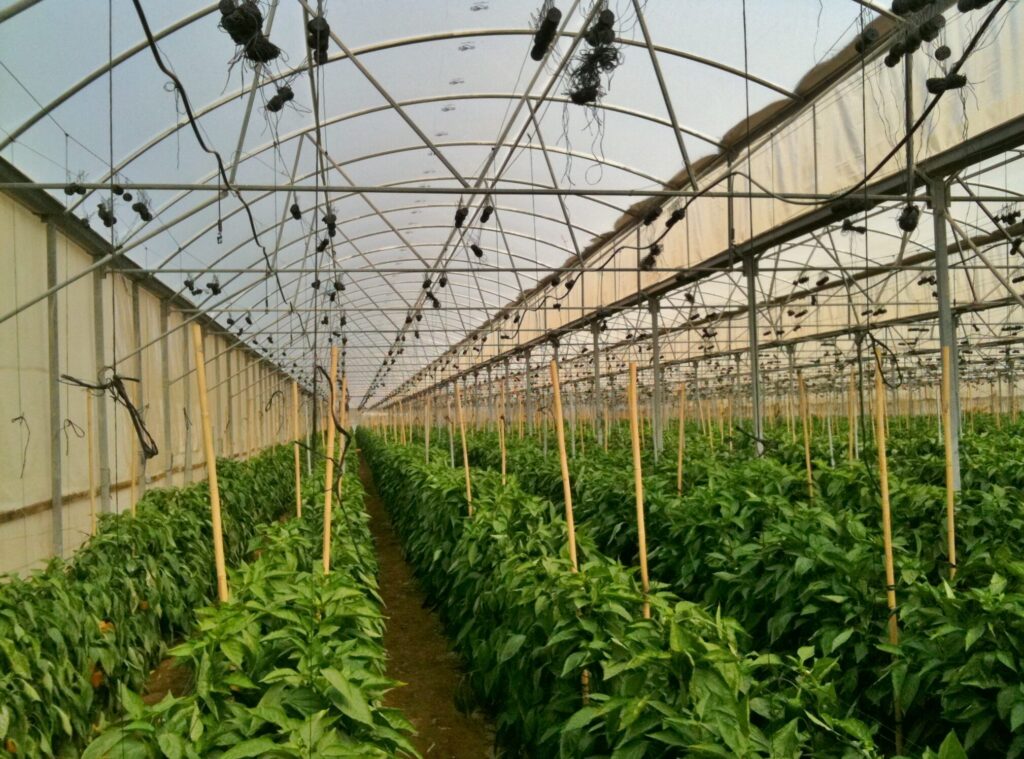
Featured-photo context: Eddau / Wikimedia Commons, CC BY-SA 3.0, a greenhouse in Ein Yahav photographed in 2011. Illustrative only; not a project approved under this procedure.