

The European Union and United Kingdom have concluded negotiations on a common sanitary and phytosanitary (SPS) area, setting out a path to fewer plant-health certificates and routine border checks for eligible horticultural trade. The 20 November 2026 EU–UK summit welcomed the outcome, while the UK government says the planned arrangements are targeted to apply from 1 March 2028, subject to the required legal procedures.
For commercial greenhouse vegetable growers, plant nurseries, flower suppliers and propagators trading across the Channel, this is a preparation signal, not a relaxation of today’s import rules. The UK has published sector-specific horticulture guidance explaining the intended changes to documentation, plant passports and regulatory alignment.
Certificates and routine checks could be removed for eligible movements
Under the proposed common SPS area, phytosanitary certificates would cease to be required for plant movements between Great Britain and the EU, and routine border checks would be removed for eligible goods. The UK also expects the arrangements to make consolidated loads and smaller consignments easier to move, potentially important for temperature-sensitive young plants, cut flowers and fresh produce.
The government’s SPS explainer estimates that affected businesses could avoid around £25 per phytosanitary certificate and at least £127.60 per inspected load once the new system applies. These are government estimates of possible future administrative savings, not realised reductions for individual suppliers. Customs controls will remain, and targeted plant-health measures may still apply where risks require them.
Plant passports and production inputs still require planning
Great Britain intends to replace UK plant passports with EU plant passports. Operators currently authorised to issue UK passports will need EU-aligned authorisation, and some growers or traders may enter passporting requirements for the first time. Plants carrying a UK passport issued before the change may continue to move within Great Britain, but that document will not become an EU passport.
The horticulture guidance also flags possible changes to pesticide and biocide rules under dynamic alignment with EU standards. Suppliers and growers therefore need to look beyond border paperwork: input inventories, traceability, labelling, staff training and arrangements with hauliers may also need review. Defra plans further edible- and ornamental-horticulture guidance in spring 2027.
What to do before March 2028
Businesses can map which plants, seeds, flowers and vegetables move between Great Britain, Northern Ireland and EU markets; identify who holds current plant-passport authorisations; and check where existing records or inputs may diverge from future EU requirements. These are planning steps, not instructions to stop using today’s certificates.
The final legislative timetable, commodity-level exceptions and some transitional arrangements still need clarification. Until the relevant measures take effect, the UK government’s trade-controls guidance says the existing requirements remain in place.
Key takeaways
- EU–UK SPS negotiations have concluded, but the targeted 1 March 2028 application date remains conditional on legal implementation.
- Eligible horticultural consignments could avoid phytosanitary certificates and routine checks; customs rules and risk-based plant-health controls remain relevant.
- Greenhouse and nursery operators should prepare for EU-aligned plant passports, traceability and possible input-rule changes while following current law.
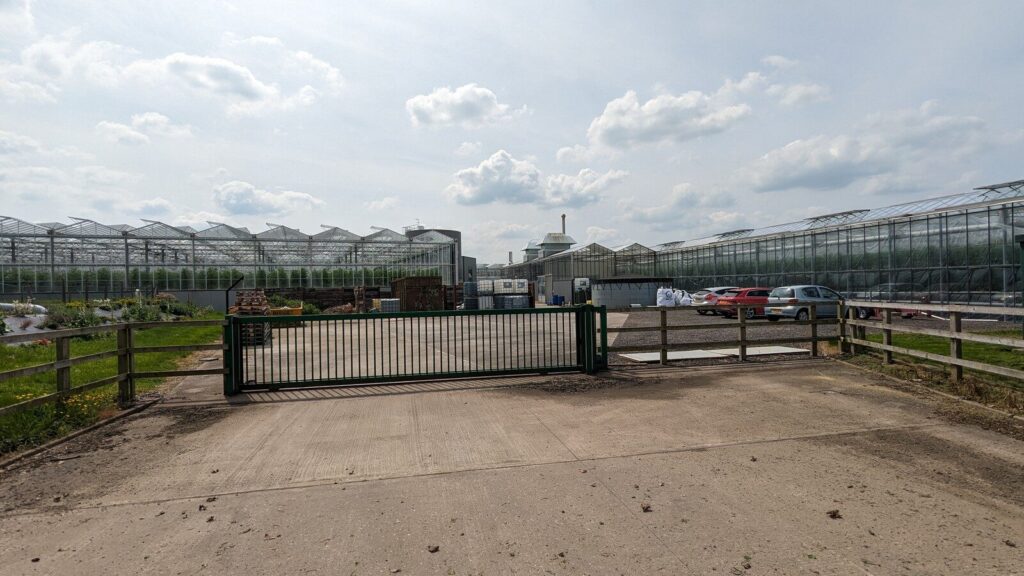
Featured photograph: commercial tomato glasshouses in Offenham, Worcestershire, England. Illustrative archival view of UK greenhouse production, not an image of the November 2026 summit or border arrangements. Photo: Sandy Gerrard / Geograph (CC BY-SA 2.0).