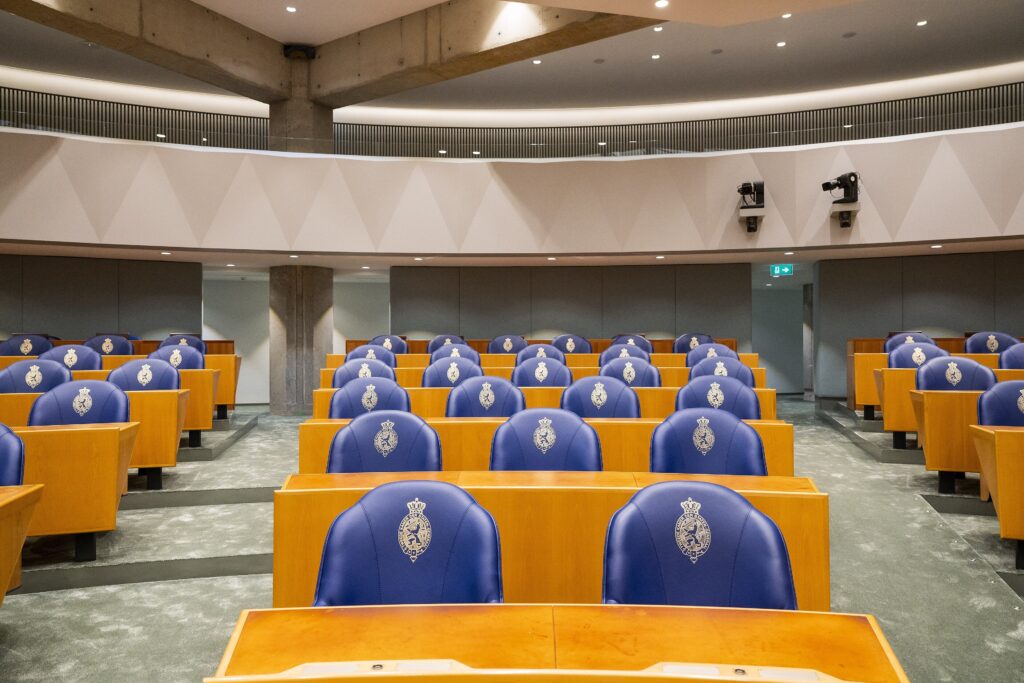
The Dutch House of Representatives approved legislation to require a larger share of renewable green gas in supplies to gas customers on 6 October 2026, taking the proposal into its next parliamentary stage. The official Tweede Kamer voting record marks bill 36947, the Wet bijmengverplichting groen gas, as adopted by the lower house. The Senate has not yet given final approval, so the vote should not be described as a law already in force.
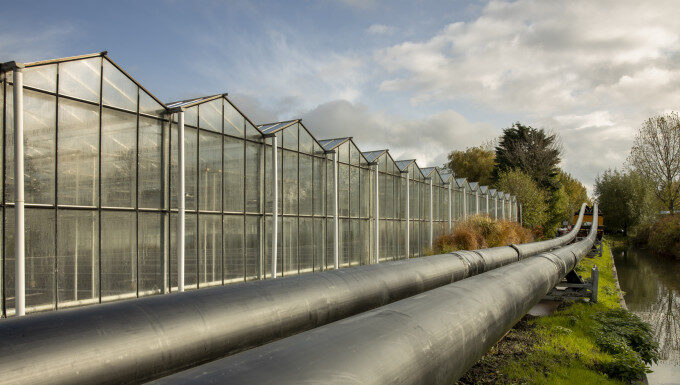
The proposal could affect energy procurement for Dutch commercial greenhouse businesses. Glastuinbouw Nederland, the country’s greenhouse-sector association, warned after the vote that the obligation could raise gas-purchasing costs for growers. Its concerns are a sector position about future risks, not evidence of a measured price increase.
Industry concern focuses on costs and gas supply
In the association’s response reported by BPnieuws on 8 October, chair Adri Bom-Lemstra questioned whether a general blending obligation would secure sufficient additional domestic green-gas production and how costs would reach end users. The association said it supports energy transition but wants the Senate to scrutinise the design and consequences for growers.
The House voting results also show that an amendment to exempt businesses covered by energy-saving duties was rejected. A separate proposal to prohibit commencement before 1 January 2028 (amendment 36947-10) was also rejected, with 58 votes in favour out of 150. Defeat of that proposed restriction does not confirm a 2027 start date. The Senate’s legislative record says the bill still requires Senate scrutiny and commencement would be set by royal decree.
What greenhouse energy buyers should track
Operators with gas-fired heating or combined heat and power units need to follow the bill’s treatment in the Eerste Kamer, the timing of any final requirements and the rules governing the supply chain. Electricity, heat-network and green-gas procurement choices are not interchangeable, and a sector-wide price effect cannot be inferred without suppliers’ actual contract terms.
The business signal is regulatory uncertainty over potential future gas costs and sourcing, rather than an immediate change to operating obligations. Businesses assessing investment in energy equipment should distinguish a parliamentary proposal from a binding requirement.
What remains unresolved
Senate approval, final amendments, compliance details, exemptions and actual gas-price pass-through remain unresolved. Those milestones, not the lower-house vote alone, will show whether and when the framework affects greenhouse budgets.
Key takeaways
- On 6 October 2026 the Dutch lower house approved bill 36947 on green-gas blending; the Senate is next.
- Glastuinbouw Nederland warned of possible higher grower energy costs, but no observed price increase is established.
- A proposal to prevent commencement before 2028 was rejected; the final start date and actual grower cost impact are not established.