The UK government has extended its temporary plant-health control easement for medium-risk fruit and vegetables imported into Great Britain from the European Union, Switzerland and Liechtenstein to 31 January 2028. In a 14 October 2026 update, the UK Plant Health Information Portal confirmed that the previous expiry date of 31 January 2027 has been pushed back by one year.
The measure covers a defined group of medium-risk fruit and vegetable products and origins, not all fresh produce or all plants entering Britain. It was introduced during the 2024 roll-out of the Border Target Operating Model to give businesses additional time to prepare for new import controls. The government says the exemption from plant-health controls for the covered goods will continue during the extended period.
A transitional arrangement, not a completed trade deal
The extension comes as London and Brussels negotiate a wider sanitary and phytosanitary (SPS) agreement. The government says the planned agreement would remove the need for these checks on qualifying EU fruit and vegetables and aims to deliver benefits for businesses during 2027. But the negotiations remain ongoing: the announcement confirms an interim easement, not that an EU–UK SPS deal has been concluded.
For commercial greenhouse produce exporters, UK importers and distribution businesses, the operational point is the later end date for an existing measure. Companies still need to establish whether a particular commodity and origin are within the stated medium-risk scope; the extension should not be treated as a blanket exemption from every border, customs or food-safety requirement.
A separate concession for plant passports
On the same day, the government extended another easement to 31 January 2028. This permits draft UK Plant Passports to be attached in EU member states to plants for planting destined for final users. The concession is separate from the fruit-and-vegetable import measure and is relevant to the horticultural nursery and planting-stock supply chain.
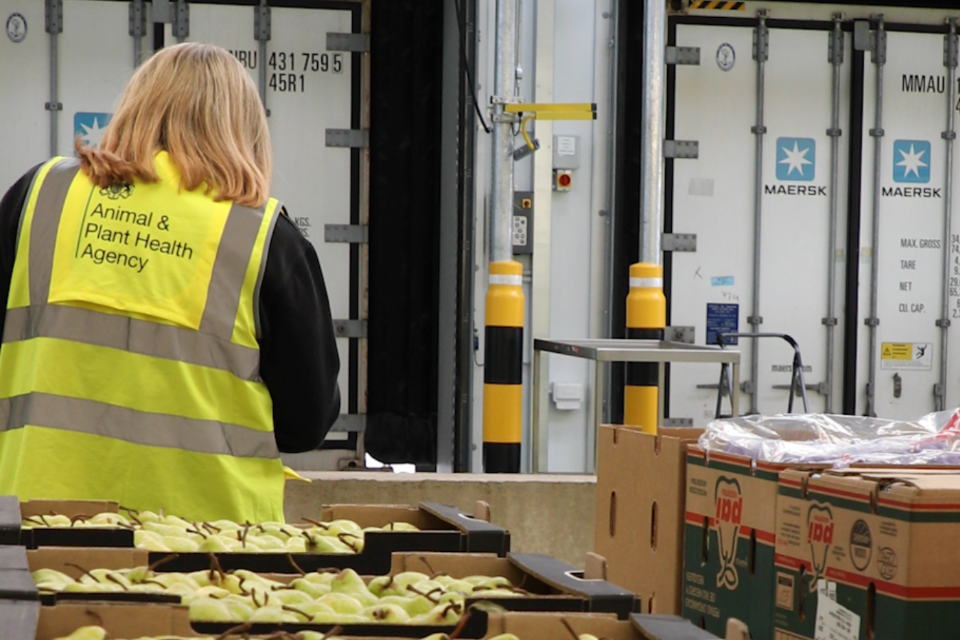
An important condition has not changed. The UK passport becomes valid only after a UK professional operator has conducted and recorded the required visual check, confirming that the plant-passport requirements have been met. Attaching the draft passport in the EU is therefore not equivalent to waiving the British operator’s compliance duties.
What businesses should monitor
The extension provides a revised planning horizon for two existing arrangements. Their longer-term replacement depends on the outcome and implementation of the proposed SPS agreement. Importers, greenhouse exporters and plant suppliers should monitor official commodity guidance and later government notices rather than assuming the transitional rules will automatically become permanent.
Key takeaways
- Qualifying medium-risk fruit and vegetables from the EU, Switzerland and Liechtenstein retain the UK plant-health control easement until 31 January 2028.
- A separate UK plant-passport attachment easement is extended to the same date, but recorded visual checks by UK professional operators remain mandatory.
- The broader EU–UK SPS agreement is still being negotiated; these are extensions of temporary measures, not a completed agreement.
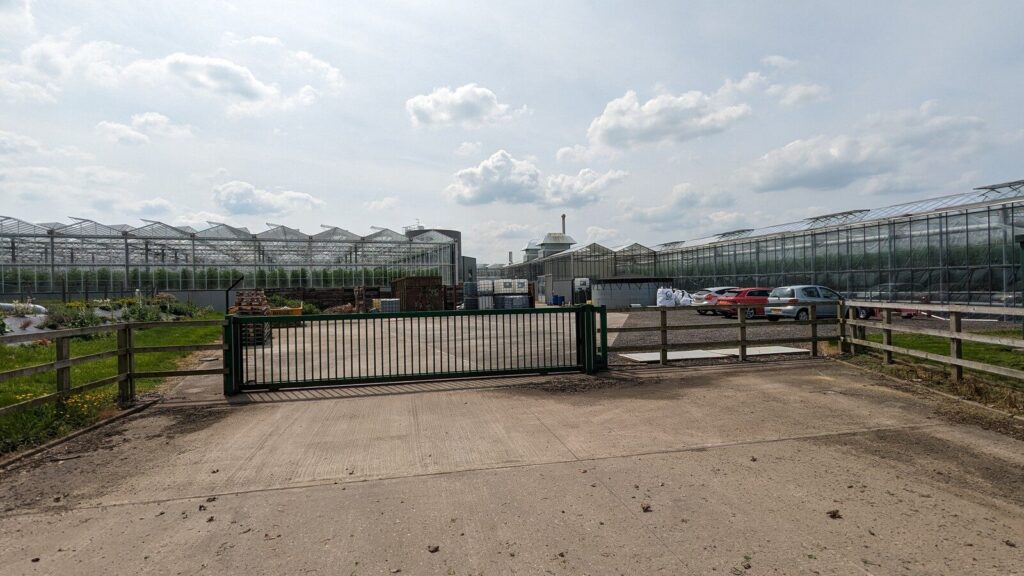
Featured image: commercial tomato glasshouses in Offenham, England, shown for illustration only; not related to the import policy change. Photo: Sandy Gerrard / Geograph (CC BY-SA 2.0).