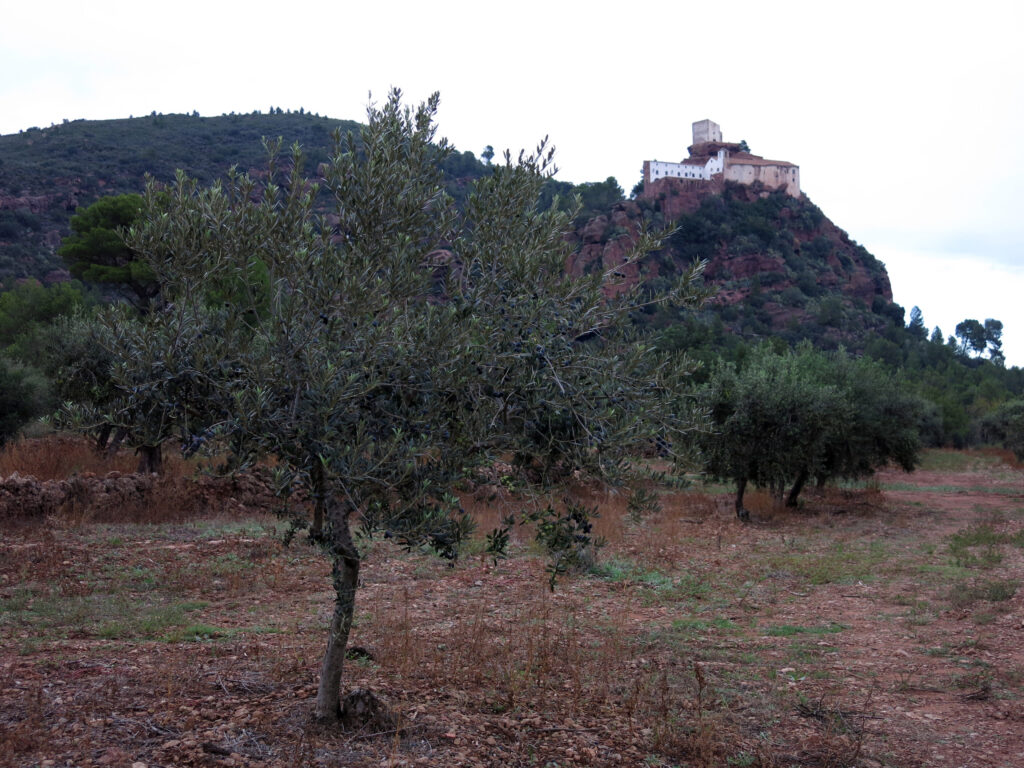
Environmental group GEPEC-EdC has lodged formal objections to the land-use change proposed for Ametller Origen’s major greenhouse and agroindustrial hub in Mont-roig del Camp, Catalonia. The objections, reported by Diari de Tarragona on 15 October 2026, challenge where the development would be located. They do not amount to a municipal rejection, cancellation or final refusal of permission.
Local reporting describes approximately 50–55 hectares of proposed technology-equipped greenhouses within a larger agroindustrial development involving horticultural production, logistics and research facilities. The investment remains a plan, with a reported overall value of more than €50 million; no construction start or expenditure of that sum has been established by the latest objections.
An initial planning vote, not a construction permit
The Mont-roig del Camp council’s 26 June announcement records unanimous initial approval of a change to the municipal planning framework, known as the POUM. It concerns 111.95 hectares of land in the Terres Noves area, currently designated as non-developable. That wider zoning footprint should not be confused with the area intended for greenhouse cultivation.
The June vote opened public consultation and environmental processing. It was not the final adoption of the revised plan, nor a construction authorisation. The new objections are part of the scrutiny that follows that initial step.
What GEPEC-EdC is challenging
GEPEC-EdC argues that transforming the existing agricultural and semi-natural landscape for industrial-scale hydroponic production would cause avoidable environmental and land-use damage. According to the local reporter’s account of its submission, the organisation wants the hub redirected to previously developed industrial land rather than land it considers ecologically valuable.
The group’s stated concerns include habitat fragmentation, protected wildlife and water demand. These are arguments advanced by the objector; the available material does not establish them as findings of an environmental authority. The municipality’s earlier description of the project, meanwhile, envisaged supply through the Tarragona water network, use of reclaimed water for a substantial part of irrigation and on-site treatment and reuse. Those design intentions do not settle the pending environmental assessment.
What matters for the project
Ametller Origen has outlined a large integrated growing, research and distribution operation. The current development is nevertheless a planning challenge, not a construction milestone. For engineering contractors, suppliers and investors, the next decisive signals will be the municipality’s treatment of the objections, the environmental documentation and any subsequent formal planning decision.