Belgium has restricted the authorised use of certain plant-protection products containing five active substances to permanent greenhouses, according to a 12 October 2026 notice from the federal crop-protection authority, Fytoweb. The substances are abamectin, bifenazate, etoxazole, quinoline-8-ol and sulfoxaflor.
The change concerns product authorisations carrying the new conditions. It should not be read as a blanket prohibition on every product containing those substances in all settings, or as a ban on greenhouse crop protection generally. Fytoweb says the restrictions follow conditions in European approval regulations for the substances concerned.
What qualifies as a permanent greenhouse?
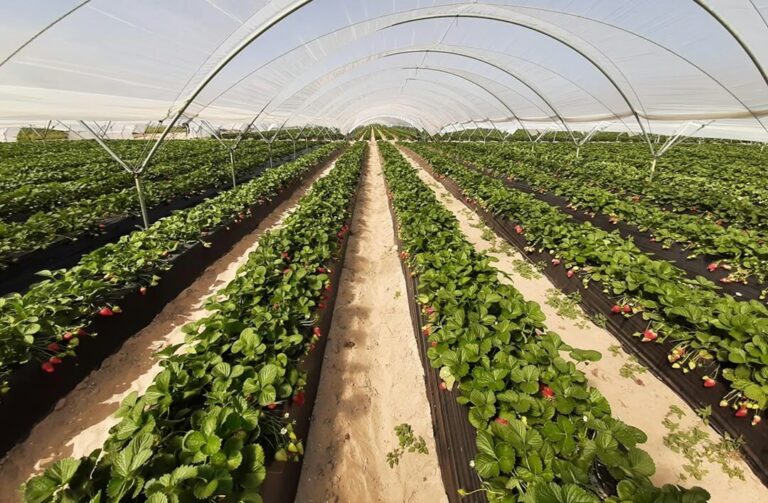
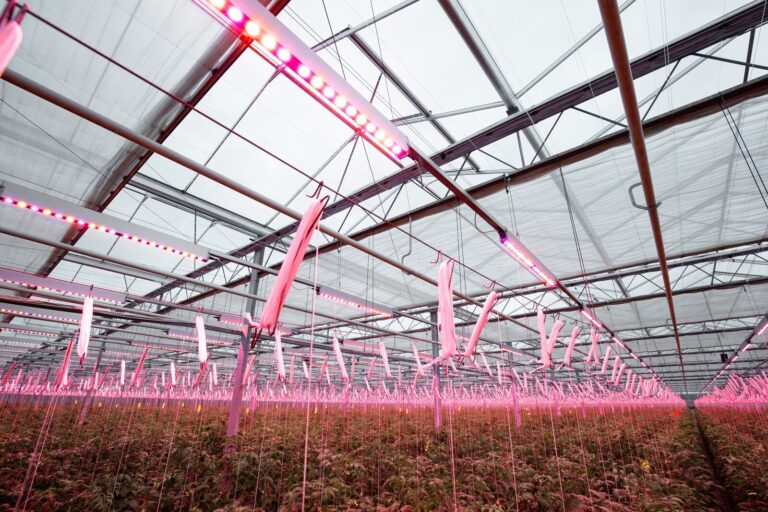
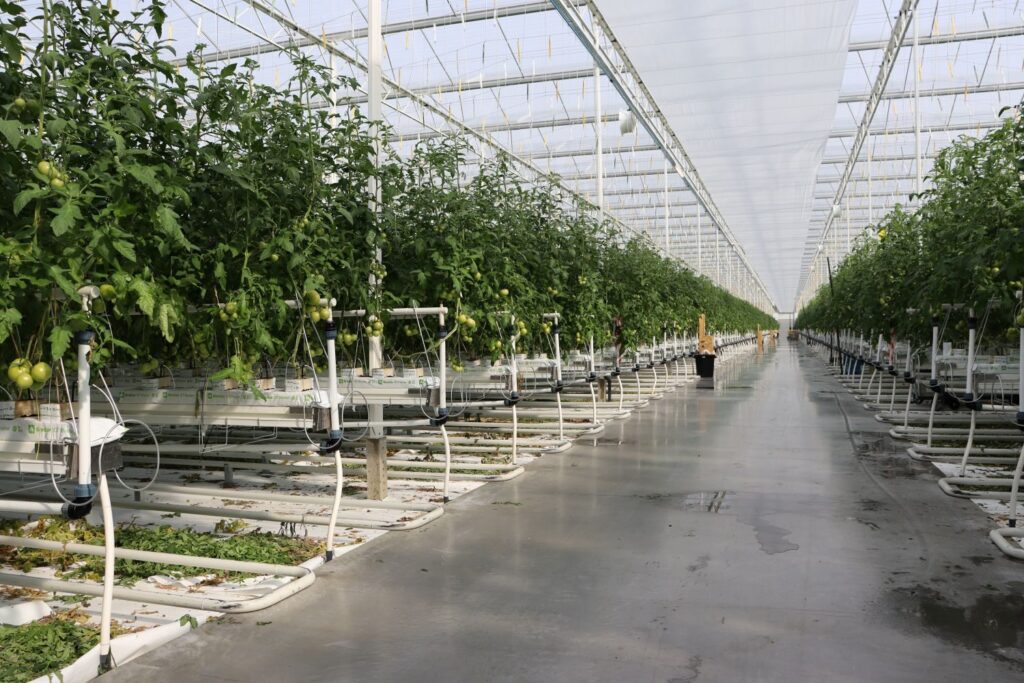
The Belgian definition is more demanding than the general description of a protected crop. It requires a fixed structure large enough to enter, with an impermeable roof and side coverings. The sides must not be capable of being opened, and any openings such as doors or windows must be closed during a plant-protection application.
Water handling is also part of the definition. Irrigation must be controlled so that leaching is not expected, or the structure must have a watertight floor or drainage that captures the water. Measures are required to keep non-target organisms out and prevent plant-protection products from reaching the wider environment. These provisions connect the authorisation to the greenhouse’s physical containment and operating practices, not simply to whether a crop is described as being grown ‘under cover’.
What growers and advisers need to check
For commercial producers, the practical question is whether each product’s current Belgian authorisation and label still permit its intended use in the actual structure. A tunnel or greenhouse with openable sidewalls may not meet the more restrictive permanent-greenhouse definition even if it offers weather protection. Operators should also check closure procedures, collection of drainwater and application-specific safeguards before treating an enclosed production area as compliant.
Fytoweb notes that a product authorised for protected cultivation may also be applied in a permanent greenhouse, subject to its applicable authorisation. The precise answer therefore depends on the individual product and crop use, rather than the presence of one of the five active ingredients alone.
Unanswered operational questions
The regulator’s announcement does not provide a consolidated list of every affected product’s crop-specific registration terms or estimate how many businesses may need to alter structures or spray programmes. Those details must be checked against the live Belgian product register and labels. For growers, the immediate signal is a tighter link between pesticide-use permission and the demonstrable design and containment of the greenhouse.