

Australia’s Department of Agriculture, Fisheries and Forestry (DAFF) has reminded importers of live nursery stock and their overseas suppliers that revised Xylella biosecurity requirements take effect on 20 January 2027. Its 20 October industry notice calls for preparations now, rather than announcing a new rule that took effect in October.
The department first announced the changes on 30 June 2026, following a pest risk analysis covering bacteria in the Xylella genus. The measures apply to regulated host plants imported as nursery stock, including material used by commercial nurseries and propagation businesses.
Authorised laboratories and tighter tissue-culture records
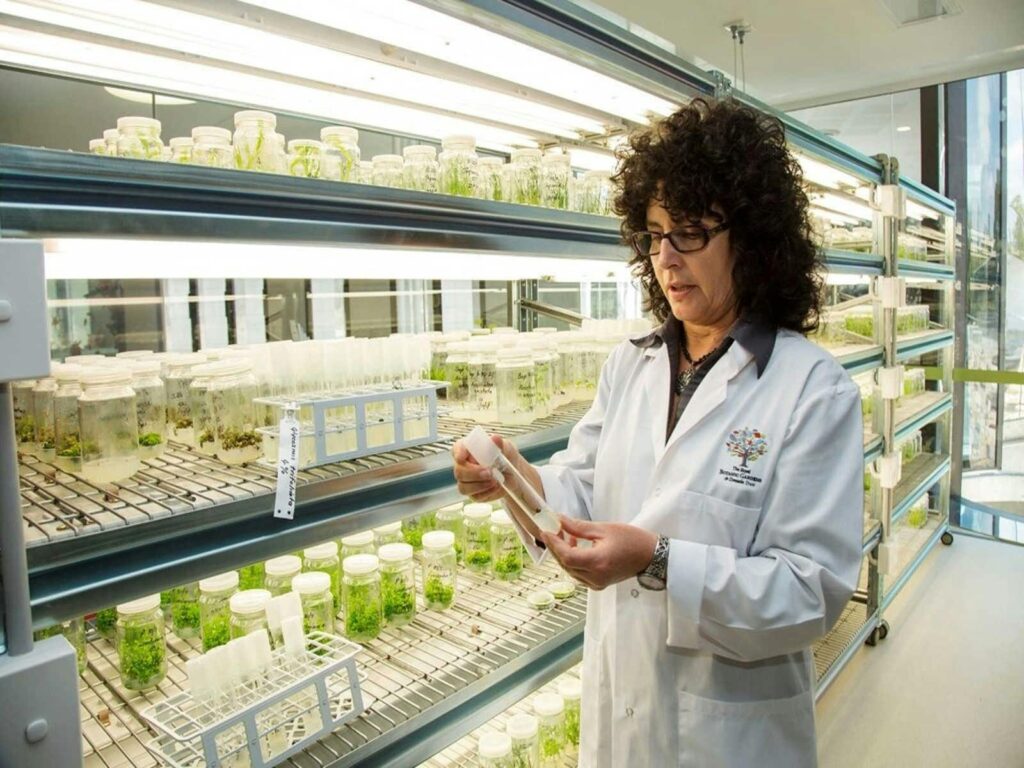
For tissue-cultured plants from origins Australia classes as high risk for Xylella, including Europe, the Americas, China and India, the new pathway requires testing by an Australian department-authorised laboratory. Exporters must use the specified PCR methods, supply laboratory reports with the phytosanitary paperwork, provide updated declarations and demonstrate the link between tested mother material and exported tissue-culture lots.
The department’s detailed guidance allows either mother tissue cultures or mother plants to be tested during the transition from 20 January 2027 through 27 April 2028. From 28 April 2028, mother-plant testing becomes mandatory for the affected high-risk tissue-culture pathway. Plants from low-risk countries face updated origin declarations, but not the same testing requirements.
Quarantine replaces some existing import routes
For affected non-tissue-cultured nursery stock from high-risk origins, the updated conditions call for at least 12 months of post-entry quarantine at the Australian Government’s Mickleham facility in Victoria, with quarantine and diagnostic charges borne by the importer. Existing hot-water treatment and offshore national plant-protection-authority arrangements will no longer be accepted as routine alternatives.
What nursery importers should check now
DAFF is asking importers and brokers to coordinate with overseas suppliers ahead of January, particularly on laboratory authorisation, testing records and phytosanitary declarations. The department plans to publish its authorised-laboratory list in December 2026 and contact affected permit holders before implementation. Commodity-specific requirements must still be checked through Australia’s Biosecurity Import Conditions (BICON) system.
For greenhouse propagators and international nursery suppliers, the practical impact is on supply-chain documentation, laboratory access and lead times. The rules do not change which plant genera are regulated or Australia’s high-risk origin list; applicability depends on the crop, form of plant material and source country.
Key takeaways
- The October notice is a reminder; revised Xylella nursery-stock conditions start on 20 January 2027.
- High-risk tissue-culture shipments will need authorised testing, improved lot traceability and revised certification.
- Some non-tissue-culture imports will require at least 12 months of paid post-entry quarantine.