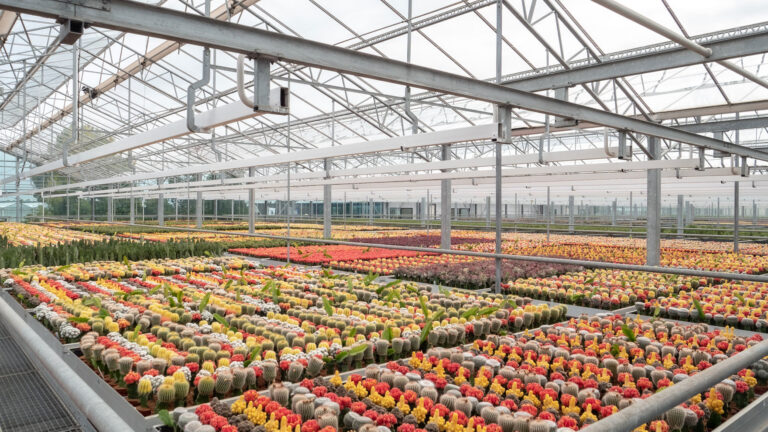


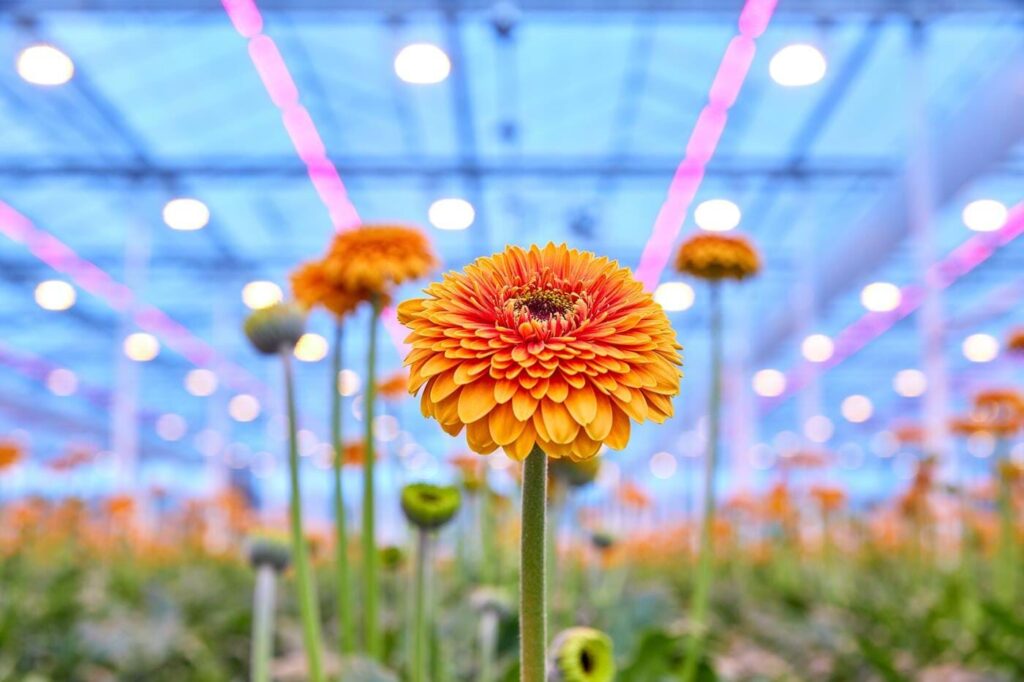
A Dutch programme involving five gerbera businesses is testing camera-based pest scouting and ultraviolet-C treatment as part of 100% Groen Gerbera, with early field experience showing both practical promise and clear limits. An 27 October update from Glastuinbouw Nederland, the project coordinator, describes the technologies as additions to integrated crop protection rather than replacements for existing controls.
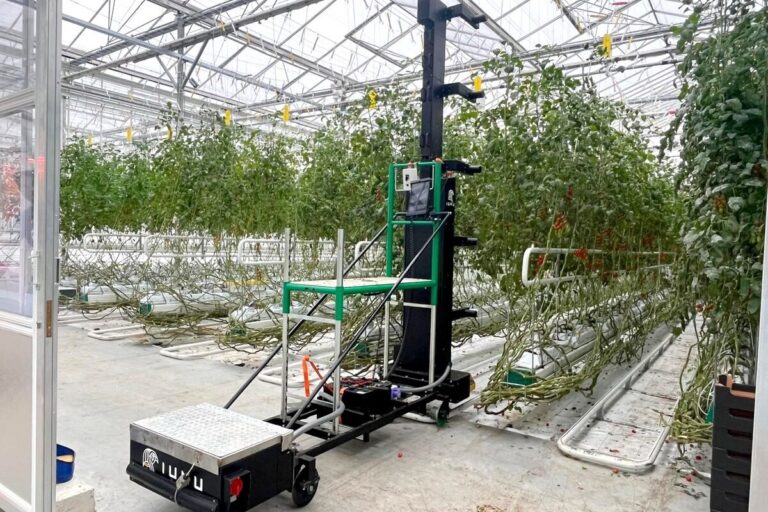
The ViewNetic system uses cameras to collect crop images alongside growers’ manual observations. According to the coordinator, images of aphids and whiteflies are already useful, while powdery mildew and different stages of leafminers can also be observed. The remaining challenge is converting these observations into reliable intervention decisions rather than simply generating more imagery.
UV-C coverage remains a practical constraint
The trials are also assessing UV-C treatment against powdery mildew. Glastuinbouw Nederland says exposure can be difficult to achieve in dense gerbera foliage: infections in less accessible parts of the crop remain harder to reach. The programme is examining how UV-C might work alongside other non-chemical measures; the reported experience does not establish that spraying can be eliminated.
The wider five-grower pilot combines monitoring, biological controls, crop-protection plans and shared learning between businesses. Commercial deployment of ViewNetic at Gerbera United was separately reported by technology partner Royal Brinkman earlier in 2026. That installation is one example, not evidence that every device is deployed at all five sites.
What growers and suppliers should watch
For greenhouse operators evaluating scouting automation, the useful distinction is between detecting pests sooner and proving that a system consistently reduces treatment use or costs. The October project update provides qualitative operating experience but no comparative efficacy percentage, pesticide-reduction figure or return-on-investment calculation. The next substantive signal will be evidence that camera alerts and UV-C coverage translate into repeatable decisions and measurable crop-protection outcomes.
Key takeaways
- Five Dutch gerbera growers are participating in a lower-chemical production pilot.
- Camera scouting is adding observations; UV-C does not yet reach every affected part of dense crops.
- Measured chemical reduction and commercial payback are not established in the reported interim findings.