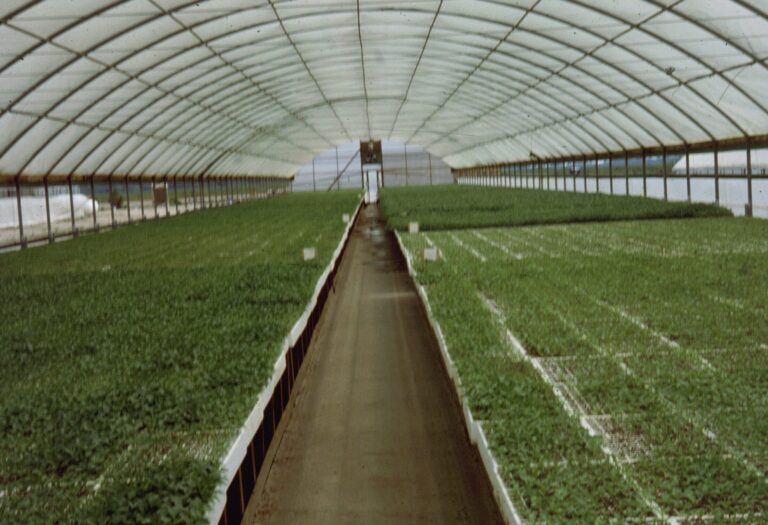


Greek hydroponic grower ECOGROW is developing a one-hectare tomato greenhouse in Solaki, in the municipality of Oichalia, Messinia. The project was highlighted during Prime Minister Kyriakos Mitsotakis’s visit on 5 November 2026. The Greek government’s official account describes the initial growing area as 10 stremmata (1 hectare), while public broadcaster ERT and local reporting describe the facility as still under construction.
The company has a much larger ambition: eventually raising cultivated greenhouse area to 200 stremmata (20 hectares). That figure is a prospective development scenario, not evidence of a financed, permitted or completed 20-hectare expansion. The first hectare and the longer-term vision must be assessed separately.
The first phase is focused on hydroponic tomatoes
According to the government briefing, ECOGROW’s initial production plan is for hydroponic tomatoes using systems intended to control the greenhouse growing climate. During the visit, company chief executive Dimitris Baltakos and project director Stelios Diamantopoulos showed the facility to the prime minister. The available reporting does not establish the first commercial harvest or that all proposed production systems are already commissioned.
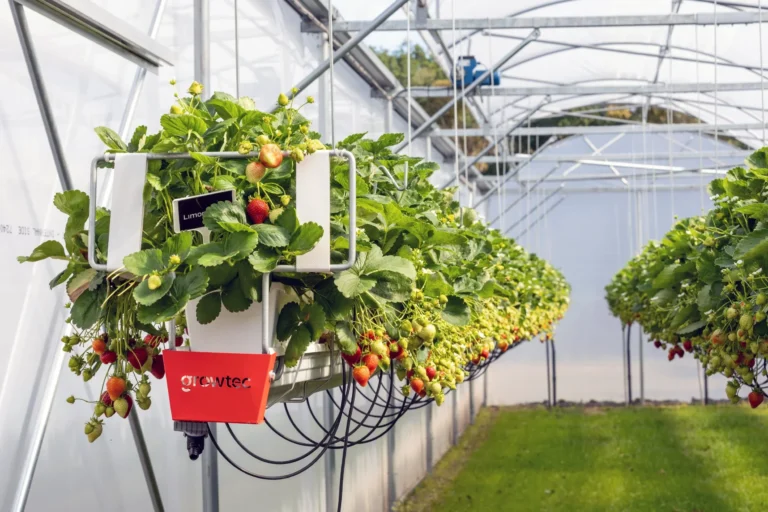
At full envisaged scale, the operator is also considering protected cultivation of strawberries, lettuces, aubergines, peppers and cucumbers. These are potential later crops, not a verified crop mix for the greenhouse currently under construction.
Automation ambitions are not installed equipment orders
The government report also describes plans for robotic cultivation and packing systems and artificial-intelligence-assisted microclimate control. It does not identify signed equipment suppliers, completed deployments or measured performance. For technology vendors, the announcement indicates possible future demand rather than a confirmed purchase.
What project developers and suppliers should watch
The immediate commercial signal is a named greenhouse project moving toward its first production phase in southern Greece. If ECOGROW pursues its much larger area target, future phases could require additional growing systems, climate infrastructure, crop-handling equipment and labour. But the scale of any orders depends on decisions and financing that the public reports have not established.
Next milestones include completion and commissioning of the first hectare, first commercial harvests, and any independently documented permit, financing or construction award for later phases. Neither the project’s total investment nor a binding schedule for 20 hectares was disclosed in the cited announcements.
Key takeaways
- ECOGROW’s reported initial hydroponic tomato phase covers 1 hectare in Oichalia, Messinia, and construction has not been verified as complete.
- The 20-hectare multi-crop scenario and robotics/AI systems remain plans, not confirmed deployed capacity.
- Commissioning, supplier commitments and any approved expansion are the next meaningful commercial signals.
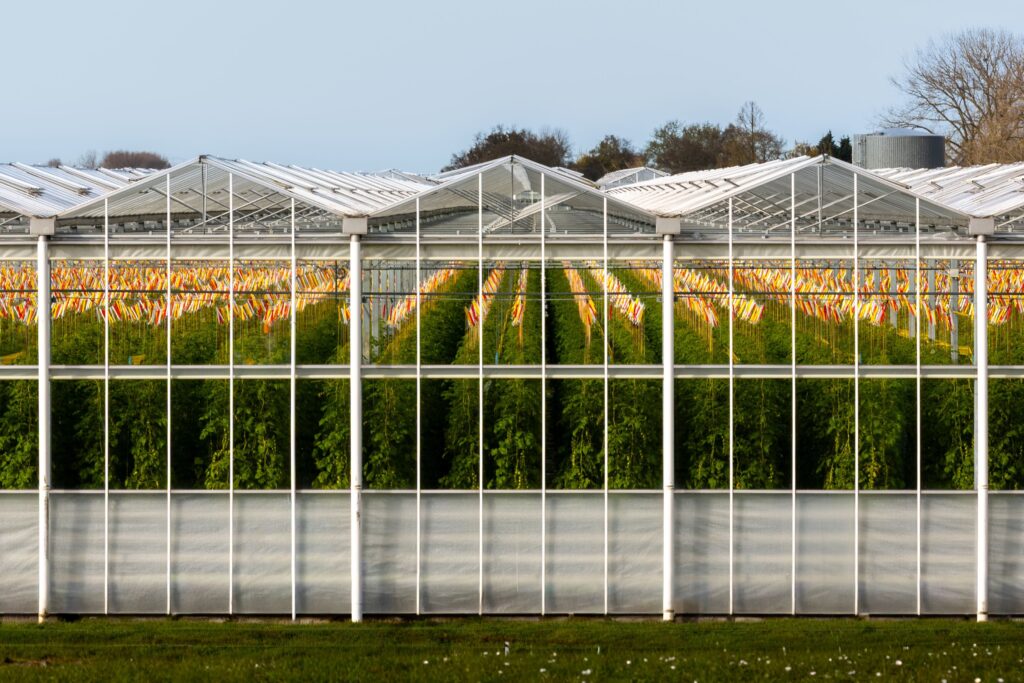
Featured image: Illustrative tomato greenhouse in South Holland, Netherlands, photographed by Igor Passchier / Pexels. It does not depict ECOGROW or the Greek project.