Ecuador began issuing and transmitting electronic phytosanitary certificates for agricultural exports to the European Union on 1 October 2026, according to a 15 October announcement from its plant- and animal-health authority, Agrocalidad. The switch to the ePhyto process replaces paper-based transmission with structured XML data for the relevant EU-bound consignments.
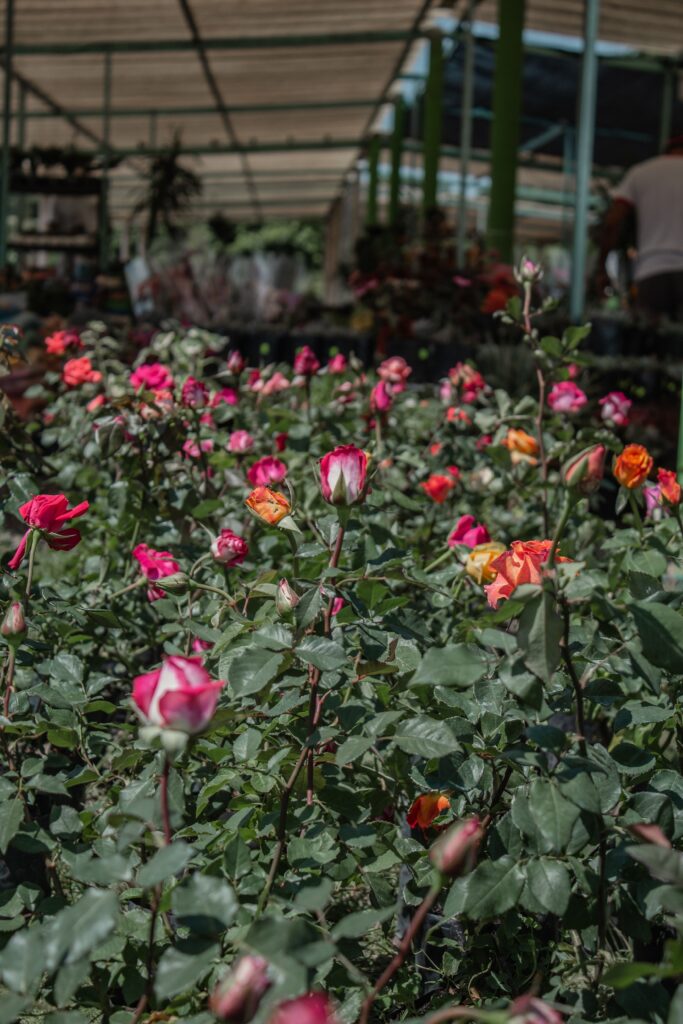
The change matters to commercial ornamental growers and exporters because Agrocalidad expressly includes cut flowers and cut foliage among Ecuador’s agricultural export categories. Fruit and other products are also covered; it is not a programme limited to greenhouse-grown crops.
What changes for flower exporters
The agency says advance electronic transmission should simplify the exchange of certificates with European authorities and help them plan document checks and arrival controls. It expects less paperwork, lower fraud risk and fewer avoidable delays in the clearance process. These are expected benefits, not independently measured shipment-level results.
The mechanism uses the International Plant Protection Convention’s ePhyto framework for exchanging phytosanitary information. Exporters and their logistics partners should check that a consignment’s certificate is submitted using the relevant digital channel and that supporting documentation matches the declared goods and destination requirements.
Plant-health inspections still apply
Digital certification is not a relaxation of phytosanitary rules. Agrocalidad states that technical inspections and controls continue under existing requirements. Its official guidance for ornamental exports still refers to operator registration, applicable work plans and protocols, and plant-health controls for flowers and foliage.
The distinction is important for growers, packing operations and freight forwarders: the certificate’s transmission method changes, but the underlying obligation to satisfy destination-market plant-health conditions does not.
Scale of Ecuador’s EU trade
Agrocalidad reports that Ecuador’s agricultural exports to the EU exceeded US$3.39 billion in FOB value in 2025 and cites roughly 39,000 annual certificates across more than 5,700 agricultural products. These are broad agricultural-trade figures: they should not be described as cut-flower or greenhouse-export totals.
The agency identifies the Netherlands, Germany, Greece, Italy and Belgium among important destinations. For Ecuador’s flower exporters, the practical next step is to confirm with the responsible export and import agents how ePhyto records are exchanged and checked for their own EU routes.
Key takeaways
- EU-bound Ecuadorian agricultural consignments moved to ePhyto transmission from 1 October 2026.
- Cut flowers and ornamental foliage are within the broad affected export categories.
- Existing phytosanitary inspections and destination requirements remain in force.