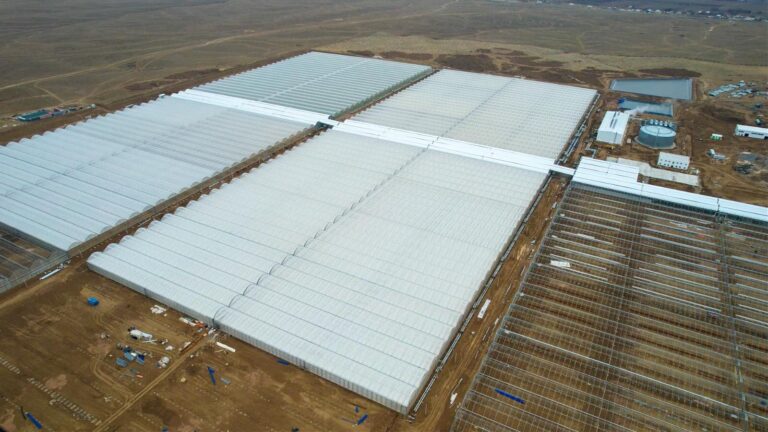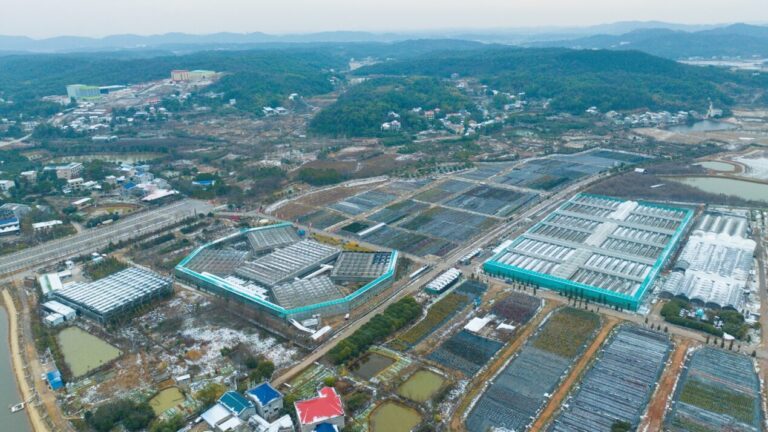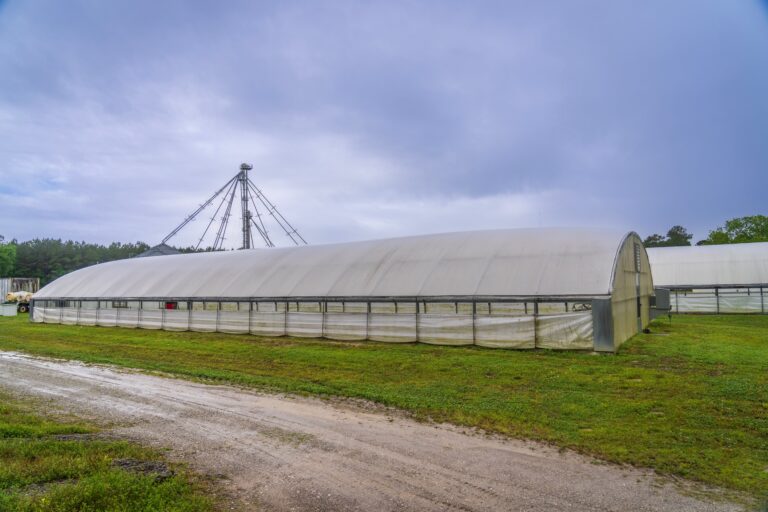


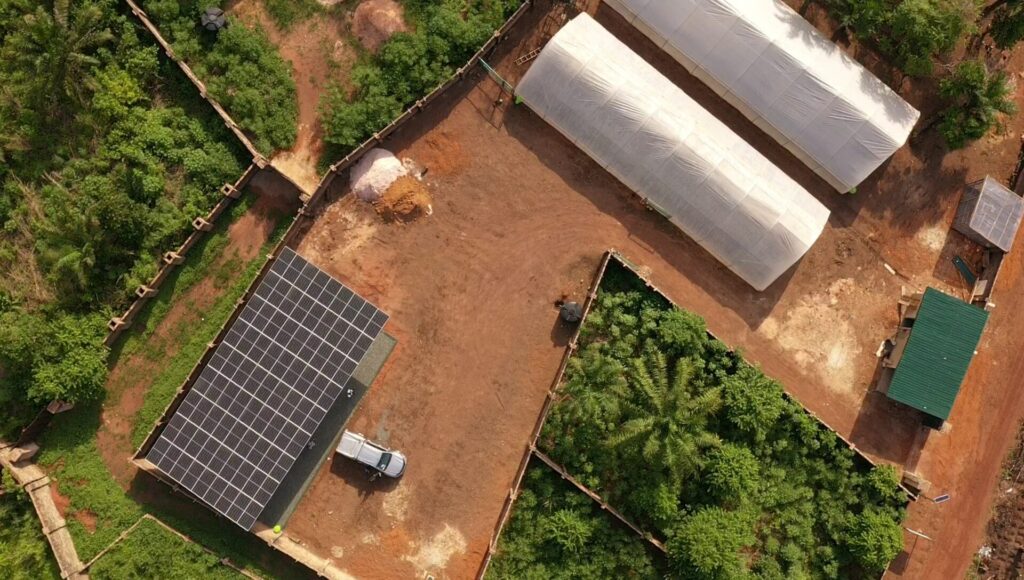
Fifteen solar-powered greenhouses are operating at Ugwuomu-Nike in Nigeria’s Enugu State under a cooperative lease-to-own programme involving 225 growers. The Enugu Anchor Greenhouse Cluster (EAGC) operator reports that 15 groups, each comprising about 15 members, have been assigned one greenhouse apiece. A larger 150-unit rollout is envisaged, but the other 135 greenhouses are not operating.
Manamuz Electric built and operates the cluster with project partners, combining greenhouse infrastructure with solar-powered irrigation, training and market-access support. The distinction between the working first cluster and the planned expansion matters for assessing how far the ownership and financing model has actually progressed.
Harvest sales are intended to repay greenhouse assets
Participating cooperatives do not have to pay the construction cost in advance. Under the programme’s repayment structure, members grow and sell produce collectively, retain the larger share of proceeds and direct an agreed smaller share towards the greenhouse asset. The cooperative is intended to take ownership only after the repayment obligation has been met; the returned capital can then support subsequent groups.
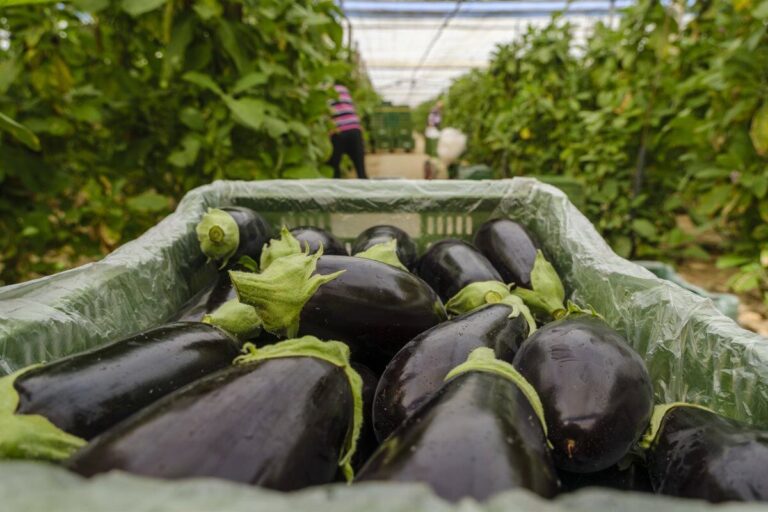
In original field reporting published by Punch on 18 November, Manamuz and participating growers described a reported capital cost of ₦10.5 million per greenhouse. That is a reported unit figure, not a public audit of construction spending or evidence that cooperative repayments are already covering the cost. One group expected to harvest its first bell peppers by the end of November; the reported expectation should not be confused with a completed harvest.
Owo expansion remains at the site-preparation stage
EAGC says its agreement covers 150 greenhouses in total. The 15 units at Ugwuomu-Nike form the operational first cluster, while land clearing has begun at Owo for another 135 proposed units. That site-preparation work is not evidence that the additional structures have been built or commissioned.
The initiative sits within the Energizing Women and Youth in Agri-Food Systems programme, supported by the Global Energy Alliance for People and Planet and the Mastercard Foundation. The official EWAS programme runs in Nigeria and Ethiopia during 2024–2027; its broader employment and livelihood targets should not be attributed as results already achieved by the Enugu greenhouses.
Why the operating model matters
For greenhouse developers and financiers, Enugu provides a live example of how smallholder groups may access productive infrastructure without raising the entire capital cost upfront. The package combines renewable-powered irrigation, cooperative marketing and repayment from sales rather than a conventional farmer-funded build. Whether it is commercially repeatable will depend on actual crop sales, operating costs, asset maintenance and collection performance—not simply the number of greenhouses announced.
What remains to be demonstrated
Public sources do not yet establish audited crop yields, achieved sales revenue, the repayment timetable for each cooperative or any completed transfer of greenhouse ownership. Those results, alongside construction progress at Owo, are the next substantive tests of the model.
Key takeaways
- Fifteen solar-powered greenhouses are operating at Ugwuomu-Nike for 225 members across 15 cooperatives.
- The proposed lease-to-own arrangement uses a share of harvest income to repay the greenhouse cost before ownership transfers.
- The remaining 135 units in the 150-greenhouse plan are not yet operational; repayment outcomes remain to be demonstrated.