

Organic young-plant propagation and customer ordering are returning at Eten bij Beelen in Houten, the Netherlands, as the successor to the former Jongerius nursery restores key greenhouse systems. During a late-October visit, the site’s combined heat and power (CHP) unit was switched back on after a final component had been installed, according to first-hand reporting by GroentenNieuws, published on 2 November.
The restart is a practical milestone for commercial growers who previously depended on the Houten nursery for young vegetable plants. It is not yet evidence that the entire site has returned to full production or that the new business is profitable.
Propagation orders return as heating resumes
The reported visit, arranged for community-supported agriculture (CSA) growers, found production areas back in use and orders arriving from customers during 2026. Long-serving staff have remained in key propagation roles. Eten bij Beelen is rebuilding its supply of organic vegetable and herb plants, while also developing its own vegetable-growing activities. Plans for a customer webshop and broader sales to professional organic greenhouse growers were discussed as future steps, not completed launches or confirmed supply contracts.
The CHP restart matters operationally because greenhouse heating and lighting are important for reliable winter propagation. The visit report describes the unit as newly functioning after the final missing part was installed. It does not give a sustained operating record, energy cost or quantified increase in commercial output.
Recovery after the Jongerius insolvency
Dutch organic-sector association Bionext reported on 3 February 2026 that Larendael, the investment business associated with Wim Beelen, had taken over the former Jongerius operations and site following bankruptcy. That acquisition is background to the present operational restart, not a newly announced November transaction.
On its official website, Eten bij Beelen describes professional organic plant propagation in Houten and refers to a 30-hectare property. That figure covers site land, greenhouses and facilities; it should not be presented as 30 hectares of currently productive propagation capacity.
Why it matters for organic greenhouse suppliers
The return of a specialist seedling source may give Dutch organic growers another purchasing option after a period in which they had to rearrange propagation supply. At the same time, the operational story is one of staged recovery rather than completed expansion. Commercial customers will need to assess crop availability, delivery reliability and pricing before treating the nursery as a fully restored supplier.
What remains unclear
Neither the current seedling output nor the percentage of greenhouse space back in regular use is independently quantified. No audited financial result establishes profitability. Proposed future developments, including greater use of automation and a possible data-centre heat link discussed in the visit report, should not be mistaken for built or funded infrastructure.
Key takeaways
- First-hand late-October reporting documents renewed propagation orders and a CHP heating restart in Houten.
- Larendael’s takeover followed the Jongerius insolvency earlier in 2026; November’s development concerns operations, not a new acquisition.
- The reported 30 hectares describe the property, not verified active production area, and financial viability remains unconfirmed.
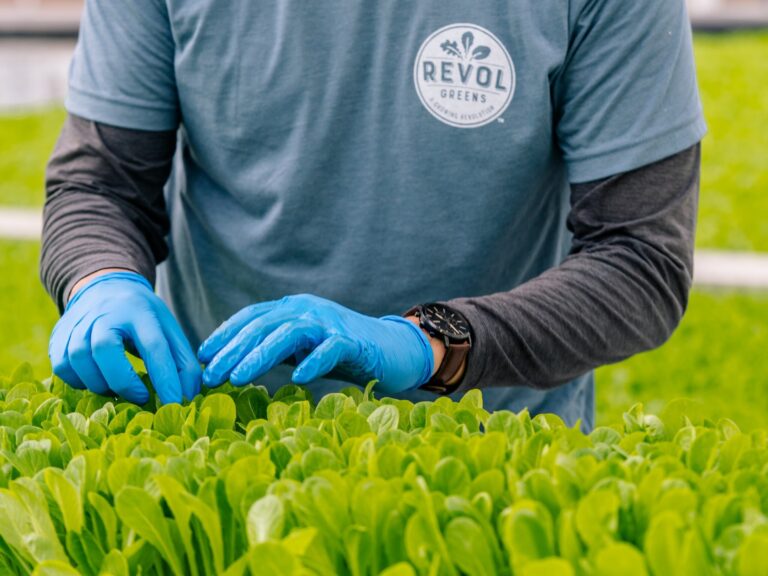
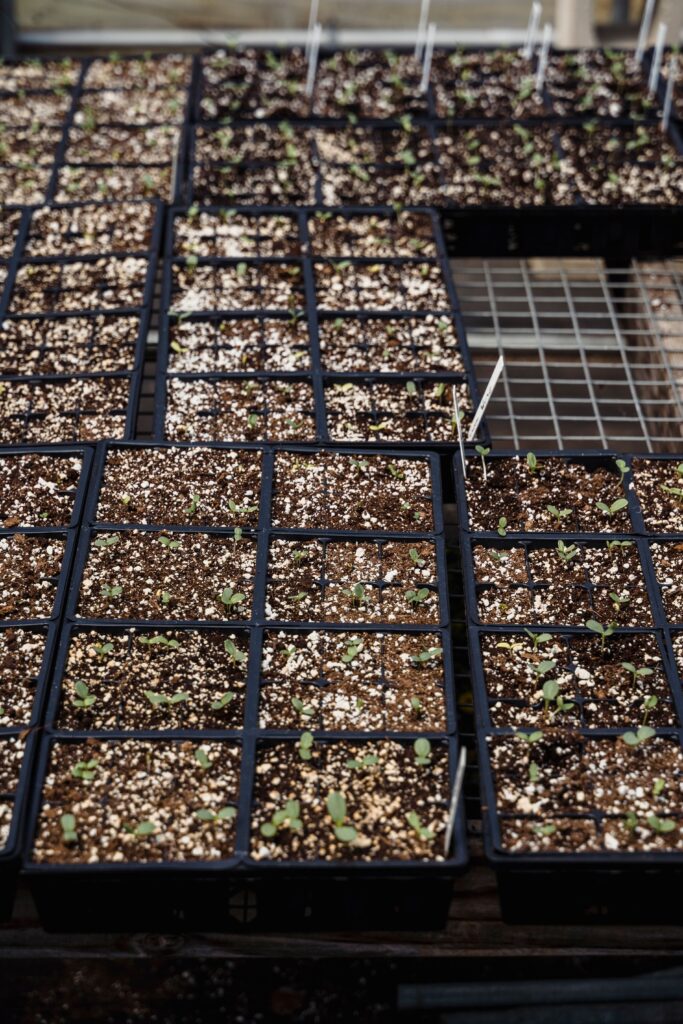
Featured image: illustrative young seedlings in nursery trays, photographed at an unrelated location, not the Eten bij Beelen facility in Houten. Photo: Greta Hoffman / Pexels (Pexels License).