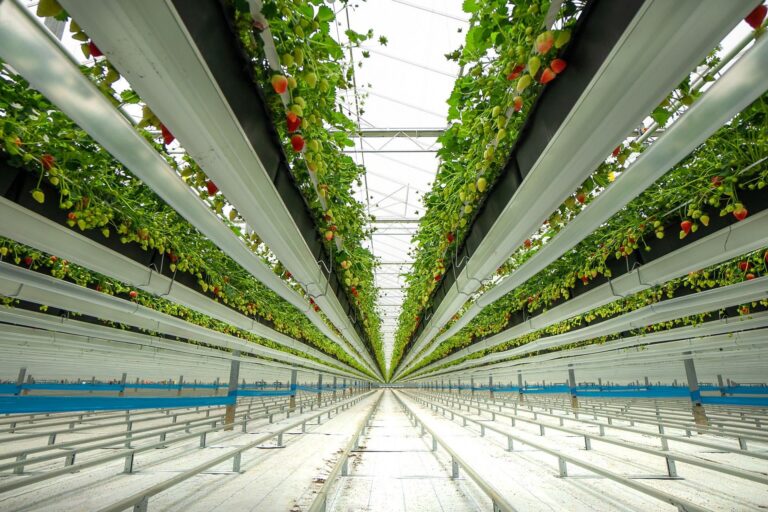


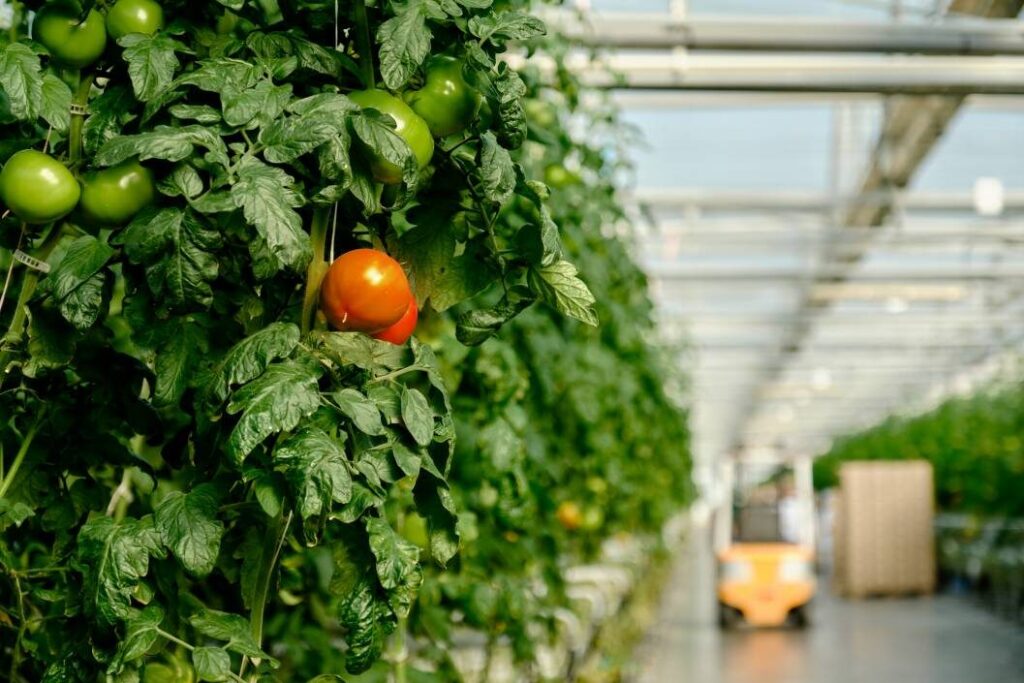
Russian food retailer Magnit plans to allocate 104 hectares of its existing greenhouse growing area to tomatoes in the 2026–27 agricultural season, an increase of 17% from the previous season. The company told Interfax on 5 November 2026 that 90 hectares will be devoted to tomatoes in Krasnodar Krai and another 14 hectares in Belgorod region.
The announcement concerns how much area is planted with tomatoes at operating greenhouse complexes, not the construction of 104 hectares of new glasshouses. The agricultural year began in October, and Magnit has not provided a separate new-build figure for this crop-allocation plan.
Premium tomato growing takes a larger share
Magnit expects its premium tomato area to grow by 14% to 35 hectares. Agroinvestor reported comments from Anton Marushev, head of the group’s agricultural and industrial complex, that the area supplying its Hot Heart premium tomato range has been increased by roughly a third, to 27 hectares. Those are planned growing areas, not figures for tomatoes already harvested this season.
According to the company, its greenhouses in Krasnodar and Belgorod harvested more than 35,000 tonnes of tomatoes in the 2025–26 season. Cherry-tomato output exceeded 15,000 tonnes, around 40% higher year on year, while cocktail-tomato production increased by roughly 15% to more than 5,000 tonnes.
Own production supplies most of two specialty categories
Magnit says greenhouse-grown tomatoes from its own operations accounted for 83% of cocktail tomato sales in its shops last season, up from 77%, and 78% of cherry tomato sales, up from 66%. These are company-reported shares for two specific retail product categories. They must not be read as its self-sufficiency rate for all tomatoes or all fresh vegetables.
The retailer attributes its growing specialty-tomato share partly to modernization of its greenhouse operations and development of its own premium brands. Its greenhouse businesses also grow cucumbers, greens and other crops, so the shift toward tomatoes is relevant to planting plans, internal logistics and procurement of inputs for a vertically integrated retail supply chain.
What the area change signals
For commercial growers and suppliers, the important development is a large retailer changing its production mix within established infrastructure. It could affect greenhouse crop schedules and the balance of produce bought from outside growers, but the announcement does not quantify either effect. Magnit has not yet reported realized 2026–27 tomato yields or disclosed the area changes for every competing crop.
Key takeaways
- Magnit plans to use 104 hectares of existing greenhouse capacity for tomatoes in 2026–27, 17% more area than the previous season.
- The planned tomato area is split between 90 hectares in Krasnodar Krai and 14 hectares in Belgorod region, with 35 hectares of premium varieties.
- The company reports more than 35,000 tonnes of tomato production last season and higher own-supply shares for cherry and cocktail tomatoes.