

Loesen Farms, a commercial tomato grower in Ruthven, Ontario, says it stopped fixed-route manual crop-scouting rounds in April 2026 after comparing human observations with Fermata’s Croptimus camera system. The farm installed 80 cameras across six hectares of greenhouse tomatoes in September 2025 and ran both inspection methods alongside each other for approximately seven months.
The operational change was described by grower Kylar Reynolds in an 11 November 2026 interview published by HortiDaily and in Fermata’s own customer account. The November reporting documents an existing commercial deployment; it does not mean the cameras were installed this month.
From routine row checks to camera-triggered inspections
Loesen installed camera coverage across the six-hectare operation rather than limiting the system to a single demonstration bay. According to the supplier’s account, the greenhouse team compared Croptimus alerts with scouting observations throughout the initial period and found them sufficiently aligned to stop routine walking rounds by April.
Croptimus analyses greenhouse images for indications of pests, diseases and other crop issues, displaying possible hotspots on a digital map. Loesen’s workflow still requires people: workers investigate areas flagged by the software, judge the situation on site and decide what action is appropriate. Retiring a routine inspection route is not the same as removing human crop-protection oversight.
Fermata says two regular manual-scouting functions were no longer required for those rounds. That is a vendor-reported change in the allocation of work, not evidence that two employees were dismissed. It also should not be confused with independently measured labour-hour savings across the entire farm.
What this deployment tells other greenhouse operators
The named installation offers a useful distinction between AI trials and day-to-day operational use. Camera-based scouting can direct attention to problem areas, but operators evaluating a similar system need to test detection performance on their own crops, camera coverage, response times, treatment records and the remaining inspection burden.
Fermata describes the software as supporting pest-pressure monitoring and decisions made alongside crop-protection partners, including Koppert Canada in this customer case. The public account does not publish an independent detection-accuracy study, a complete false-alert record or verified changes in pesticide use, harvest losses and profitability at Loesen.
Key takeaways
- Loesen Farms reports installing 80 cameras over six hectares of Ontario tomato production in September 2025.
- After roughly seven months of parallel checks, the farm stopped routine manual scouting rounds in April 2026, while retaining targeted human inspections.
- The workflow is a documented customer-reported commercial use case, not an independently audited finding of labour, pesticide or yield savings.
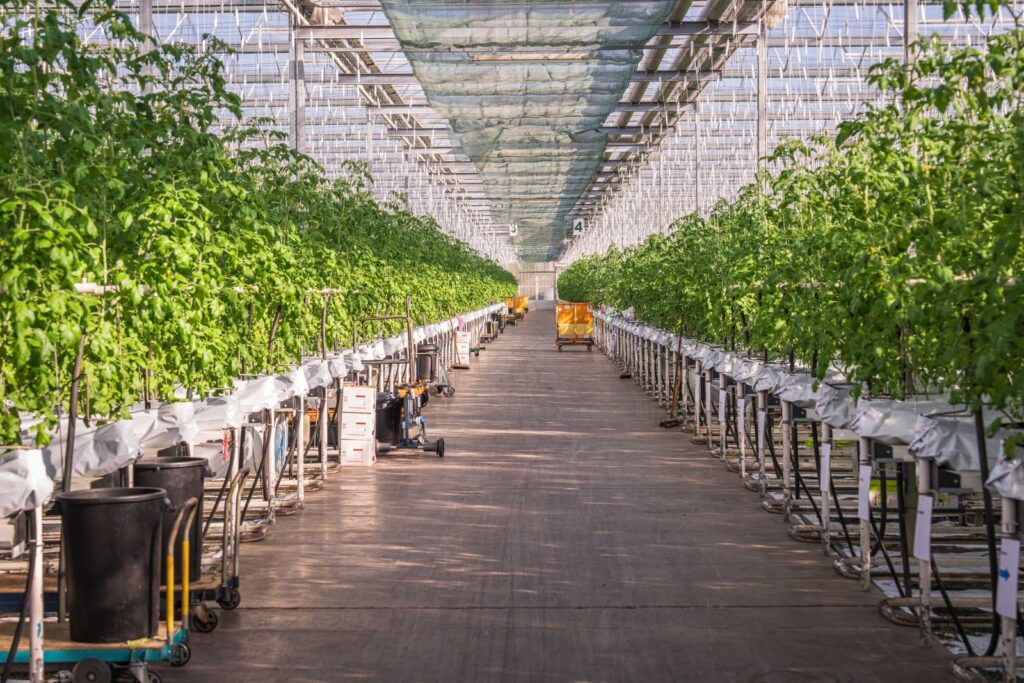
Featured image: commercial greenhouse tomato rows, a contextual photograph from Pexels. This image does not show Loesen Farms or its Croptimus camera installation. Photo: Mark Stebnicki / Pexels.