

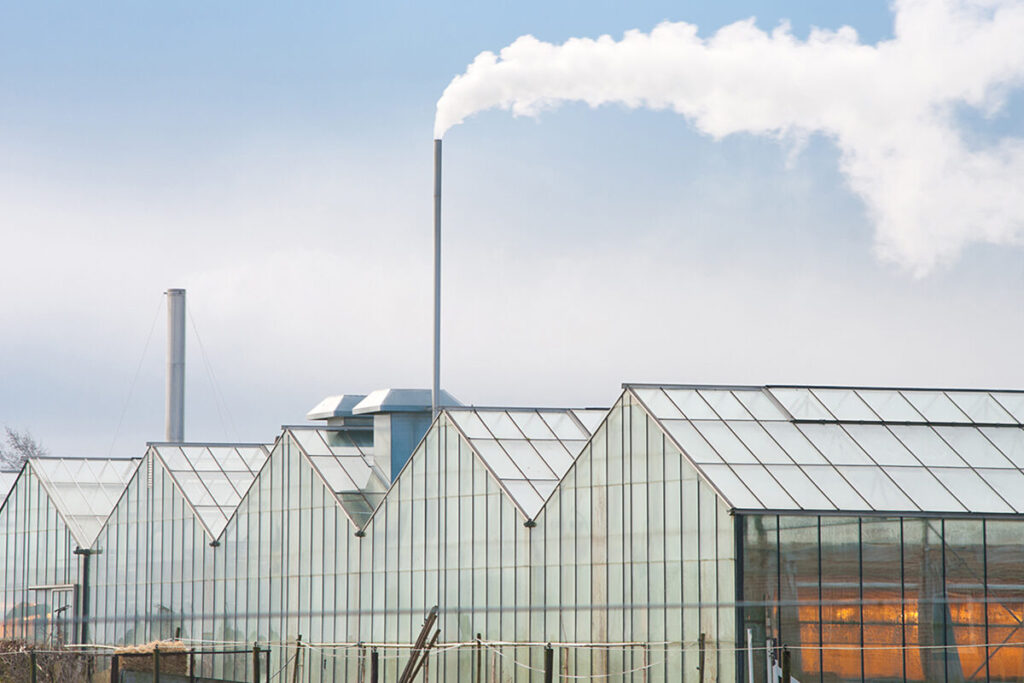
Uzbekistan has approved a special environmental regime for heated commercial greenhouses in Tashkent and five neighbouring districts. Under Cabinet of Ministers Resolution No. 586, adopted on 22 October 2026, operators using coal, briquettes or biomass pellets have until 1 December 2026 to change their heating source or satisfy a stringent set of emissions-control requirements.
The rules cover Tashkent city and the Yukorichirchik, Kibray, Yangiyul, Zangiata and Tashkent districts of Tashkent region, rather than Uzbekistan as a whole. Permitted alternatives include natural or liquefied gas, electricity, geothermal and solar energy, and recovered heat from power plants, according to Spot’s reporting on the adopted resolution.
Solid-fuel heating requires several safeguards together
The measure is not an unconditional coal ban. Continued use of solid fuel is possible only when operators meet the combined technical conditions. These include automated fuel-feed and combustion systems, dust and gas filtration, certified equipment, continuous emissions monitoring connected to the Ecology Committee, online cameras, backup power and proper waste disposal. Burning tyres, waste oils, plastics and other prohibited waste is barred. A filtration system by itself is not sufficient.
Upgrade finance has separate limits and deadlines
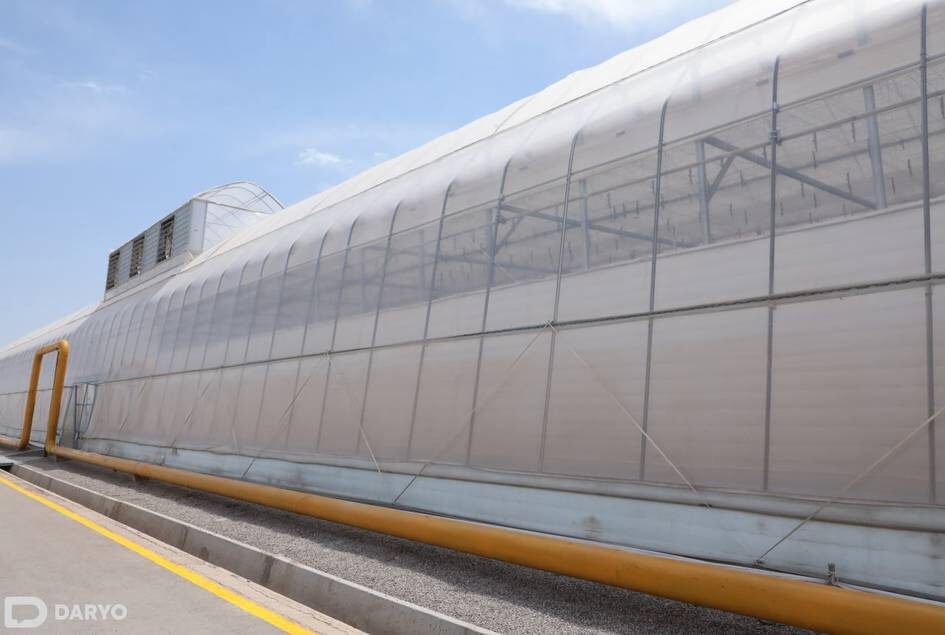
For eligible environmental equipment, the government offers reimbursement of 50% of expenditure, capped at UZS 50 million per hectare, until 1 January 2028. Eligible technologies include emissions cleaning, boilers, energy-saving screens and cleaner heating installations.
Projects switching to electric, geothermal, solar or cogeneration heating during 2026–2027 may also qualify for seven-year bank loans at 14% annual interest, with a three-year grace period. Lending is limited to half the project cost and UZS 3 billion per hectare. The local reporting details these financing conditions; access and final terms should be checked against the applicable programme documentation.
Environmental approval becomes an operating constraint
From 1 December, non-compliant sites face refusal of positive state environmental assessments and suspension of existing approvals under the relevant procedures. Measures to disconnect electricity, gas or water are envisaged; these are prospective consequences, not evidence that such disconnections have already occurred under the new deadline. Seasonal inspections and emissions monitoring are also part of the regime.
For operators, the immediate decision is whether to finance a permitted replacement heat source or bring an existing solid-fuel system, its monitoring equipment and documentation into full compliance before the winter deadline. The investment case depends on each site’s fuel supply, installation lead time and eligibility for support.
This local compliance regime is distinct from the separate national greenhouse electricity-support measures announced earlier in October. Their financial incentives should not be treated as interchangeable.
Key takeaways
- The 1 December deadline applies to heated greenhouses in Tashkent city and five named surrounding districts, not nationwide.
- Solid fuel remains conditional on a complete technical and real-time emissions-monitoring package.
- Retrofit subsidies and bank loans may reduce upgrade costs, but environmental approval and operating continuity remain the immediate risks.