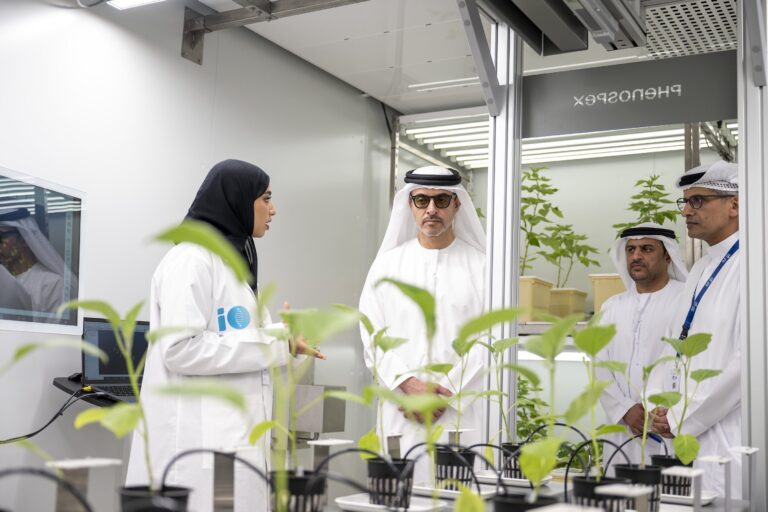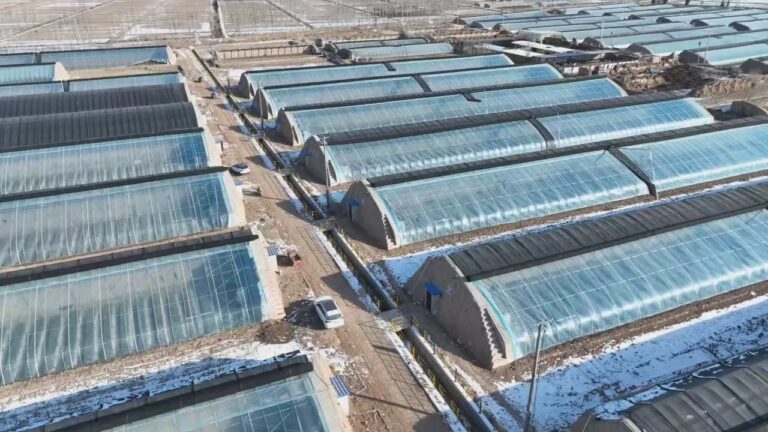


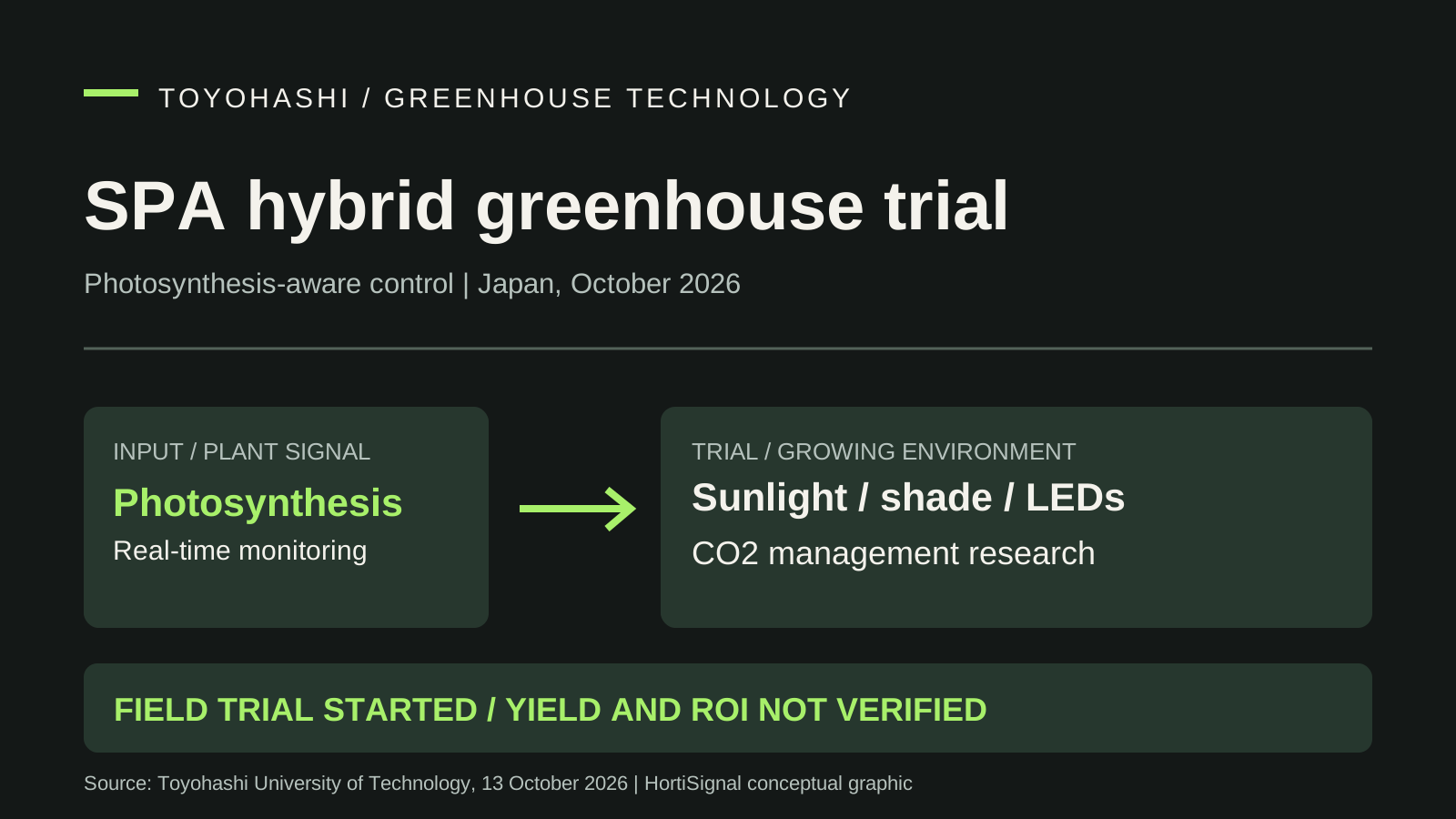
Toyohashi University of Technology has begun demonstration trials of a hybrid greenhouse system designed to balance natural sunlight, shading and LED supplemental lighting with plant-photosynthesis measurements. The university’s October 13, 2026 research announcement says the newly developed SPA Hybrid Plant Factory aims to address both limited sunlight and extreme summer heat in protected cultivation.
The project brings together Toyohashi University of Technology, Ehime University, equipment manufacturer Sinfonia Technology and university-linked company PLANT CASE. It is an active research demonstration, not a verified commercial deployment or a completed test with published yield results.
Photosynthesis measurements inform greenhouse controls
The system is being developed around plant-response monitoring rather than controlling light and climate solely by fixed schedules. The research combines incoming natural light, adjustable shading and LED light supplementation. The partners are also investigating how greenhouse carbon-dioxide concentration can be managed in response to photosynthesis and changing conditions.
When sunlight is intense and temperatures climb, shading can reduce heat loading; in periods of insufficient natural light, LEDs offer supplemental illumination. The technical challenge is to coordinate these measures without assuming that more light always delivers the best production economics. Measuring plant photosynthetic response provides a potential additional input for such decisions.
According to regional reporting from the Toyohashi site, tomato growing trials are taking place in an experimental semi-closed greenhouse on the university campus. The researchers are exploring data-driven control methods and eventual use by commercial growers after the demonstration stage.
What is still unproven
Neither the October university announcement nor the on-site report establishes independent measurements of higher commercial yields, lower energy demand, reduced CO2 consumption or positive return on investment for growers. These remain targets that trial data must test. The reports also do not provide a validated commercial installation date, customer contract or pricing for a production-scale system.
The distinction matters to greenhouse engineering buyers. A functioning sensor or demonstration house is a meaningful step beyond a concept, but it is not the same as reliable performance across seasons, greenhouse sizes and commercial operating conditions.
Next milestones for the greenhouse sector
Operators evaluating hybrid lighting and semi-closed cultivation should watch for comparative tomato harvest data, energy input per unit of production, CO2-use figures and the robustness of the control strategy during hot and cloudy periods. The immediate signal is the start of field testing and the participation of both academic specialists and a commercial technology supplier, rather than a product launch.
Key takeaways
- Toyohashi and partners have begun demonstrating a greenhouse approach that combines live photosynthesis observations with lighting, shading and CO2-management research.
- Sinfonia Technology and PLANT CASE are among the development partners; tomato trials are underway in an experimental semi-closed house.
- Commercial deployment, actual yield benefits and energy economics remain unverified until results are released.