

France has revised the energy-savings certificate (CEE) rules for heat pumps used to heat commercial vegetable and horticultural greenhouses. The ministerial order, signed on 26 October and published in the Journal officiel on 28 October 2026, applies to operations committed from 29 October 2026. It replaces the AGRI-TH-108 standardised operation sheet and introduces tighter technical and inspection requirements.
The new conditions matter for greenhouse operators preparing heating replacements, expansions or newly heated production sites. They govern eligibility for CEE certificates, rather than requiring every existing greenhouse to replace its current heating system. The full ministerial order (JORFTEXT000055020252) is also reproduced in a public legal-text archive.
Full electrification replaces hybrid heating eligibility
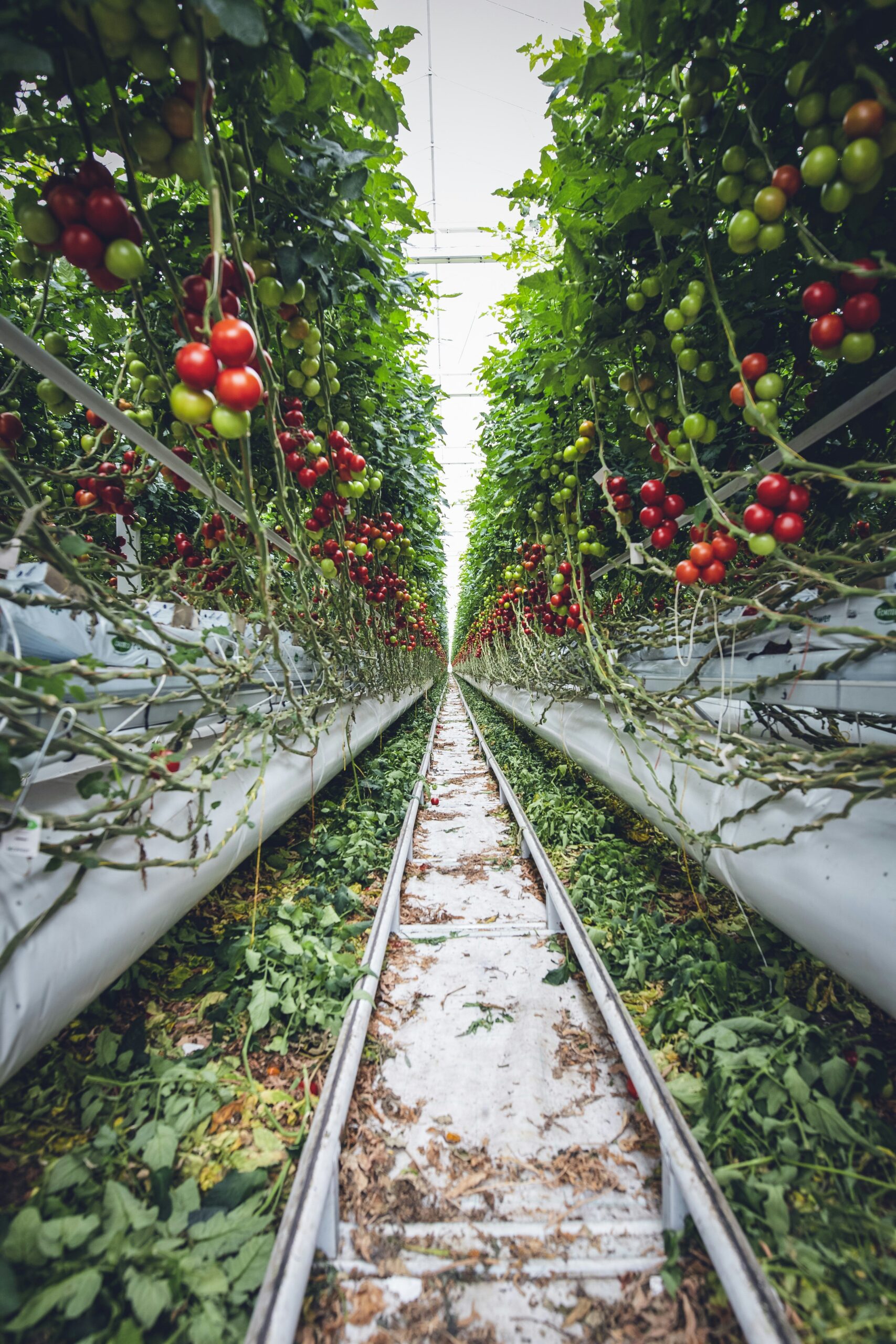
Revised AGRI-TH-108 covers new, fixed, electrically driven air-to-water heat pumps for heated greenhouse blocks. Eligible projects must fully electrify greenhouse heat production, either by replacing fuel-fired boilers or meeting additional heating demand at a new or expanded site. An operating gas, biomass or oil boiler cannot remain as a routine heating source, and gas-electric hybrid heat pumps do not qualify under this sheet.
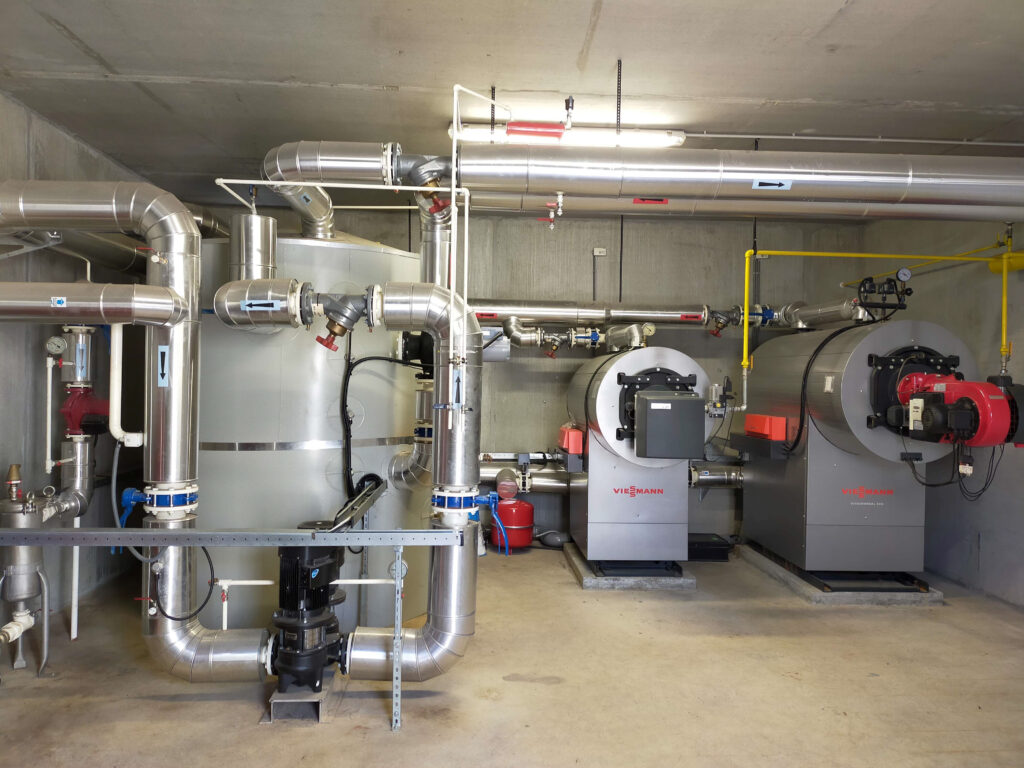
Fuel-fired equipment may remain only for emergency backup when the heat pumps are unavailable, subject to operating limits. These include no more than 500 hours a year and annual backup energy consumption no greater than 12% of that used by the heat-pump system. The order also specifies isolation and logging requirements for the backup equipment.
System sizing, controls and inspections become decisive
Each qualifying heat pump must have a nominal thermal capacity of at least 300 kW. The greenhouse covering must meet listed insulation standards, and the installation needs a fixed climate-management system able to control heat, humidity, ventilation and thermal storage. The rules require a thermally insulated water-storage tank sized against the heated greenhouse area, alongside a documented sizing study prepared independently of the installer.
The order adds on-site checks for 100% of AGRI-TH-108 operations after the work is completed. Certificate applicants must also include committed and completed operations in monthly progress reporting. An installation may therefore be technically attractive yet fail to qualify if its retained boiler configuration, documentation, electrical capacity or inspection results do not satisfy the revised terms.
What greenhouse operators should reassess
Growers and suppliers considering CEE-backed investments should revisit heating design, the availability of sufficient electricity, emergency-backup configuration, thermal storage and the supporting evidence before committing an order. The relevant date is the operation’s commitment date, not simply the day equipment is installed.
A 28 October analysis from French energy-services firm Hellio also highlights the move away from hybrid fossil-fuel heating. The regulation does not establish one universal grant amount: the value of certificates and the practical economics depend on the actual installation and project circumstances.
Key takeaways
- The revised AGRI-TH-108 rules apply to newly committed greenhouse heat-pump operations from 29 October 2026.
- Ordinary fuel-fired boiler backup in normal operation and hybrid gas-electric heating are excluded from the revised CEE eligibility route.
- Heat-pump capacity, greenhouse insulation, climate controls, engineering documents and full on-site inspections are central to qualification.