

Belgian strawberry producer Ryvers Aardbeien, based in Meer in Antwerp province, is using smartphone videos to forecast its harvests up to four weeks ahead. The grower has used Dutch supplier Fruit Forecast‘s system since spring 2026, according to a 5 November on-site interview published by AGF.nl. That report documents an existing customer deployment, not a product installation that began in November.
Ryvers grows six strawberry varieties and produces separate forecasts for each variety and greenhouse. The company supplies Coöperatie Hoogstraten, making anticipated harvest volumes relevant to picking schedules and the quantities available for sale.
About 50 plants filmed with a smartphone
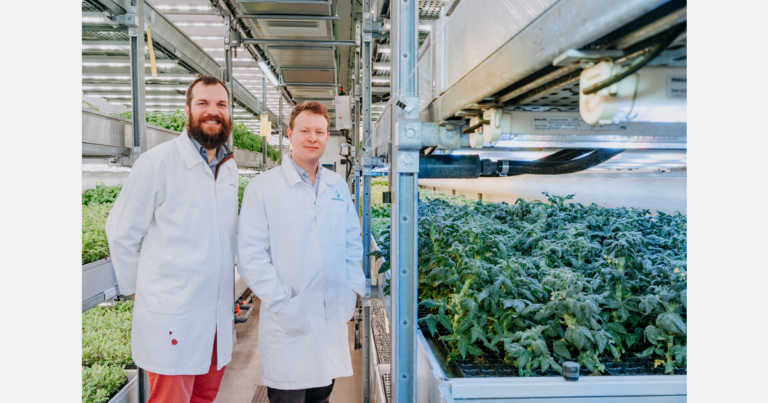
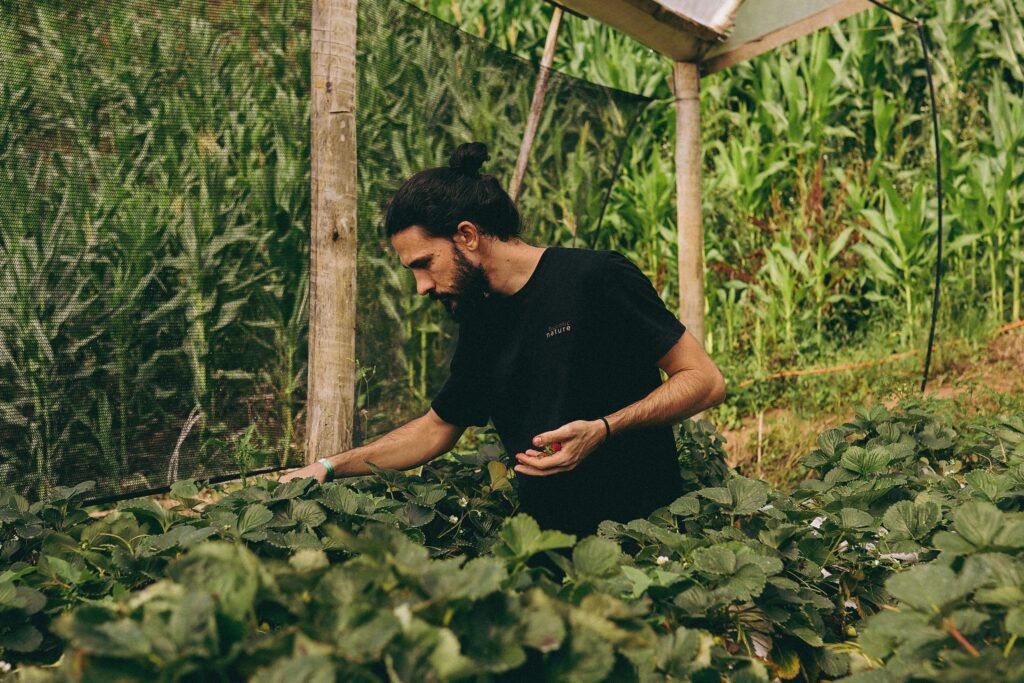
The workflow starts with a representative crop sample. In the reported demonstration, Fruit Forecast’s Rik Mol recorded a roughly one-minute video covering about 25 plants on each side of a strawberry row. Growers can capture the footage themselves with an ordinary smartphone, rather than installing a dedicated camera network. At Ryvers, the grower’s own employees now carry out this task after initially receiving help from the supplier.
According to the Fruit Forecast product description, its computer-vision system identifies plant and fruit development from recurring videos. The forecast combines that information with growing-degree-hour calculations, weather expectations, variety information and fruit-weight assumptions. The company says the resulting dashboard shows expected output for up to four weeks and can compare forecasts with actual harvested volumes through an optional data connection.
Harvest timing feeds into labour and sales decisions
A forecast broken down by greenhouse and variety gives managers a more specific planning signal than a single farm-wide volume estimate. Ryvers’ reported application covers both June-bearing and everbearing strawberries, including protected cropping under glass and in tunnels. For winter production under lights, anticipating the timing of peaks may be particularly useful because harvest labour and energy-intensive growing schedules need to be coordinated.
The supplier has also introduced a picker calendar intended to translate forecast harvest volumes into daily workforce requirements. The user can adjust the proposed picking days and see a revised schedule. This is a planning function described by the supplier; it should not be mistaken for independently demonstrated labour savings at Ryvers.
Forecast accuracy and financial impact remain unverified
Fruit Forecast publicly describes forecast-deviation aims for the first three weeks of its outlook, but the available reporting does not provide an independently audited accuracy study for Ryvers or measured error rates across its six varieties. It also does not disclose the area covered by the system, subscription cost or realised effect on waste, sales margins and labour productivity.
The operational significance is therefore the named commercial use of a low-hardware forecasting workflow, rather than a verified return-on-investment claim. For greenhouse operators considering similar tools, the next useful evidence would be actual-versus-predicted harvest data across several crop cycles and an assessment of how forecasts change staffing and sales decisions.