The United States Department of Agriculture has announced changes to chrysanthemum import rules that could give commercial flower growers and plant propagators more international sourcing options from 9 November 2026. The Animal and Plant Health Inspection Service (APHIS) said it is removing chrysanthemum white rust from its federal quarantine-pest programme and authorising certain plant material from 20 named countries under a new systems approach.
In its regulatory programme update, APHIS explained that its evaluation found the previous eradication approach no longer technically or economically justified because the disease, caused by Puccinia horiana, is now established in the United States. The announcement concerns import regulation; it does not establish that incoming plants are free of other phytosanitary requirements.
Which plant material and origins are affected?
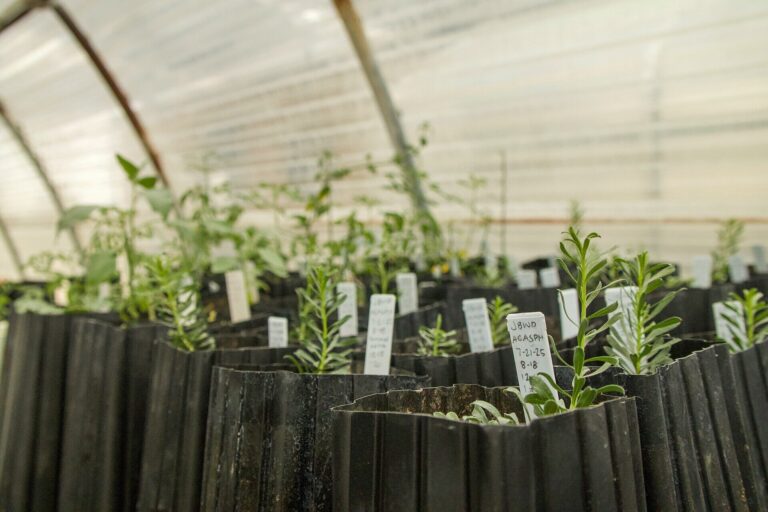
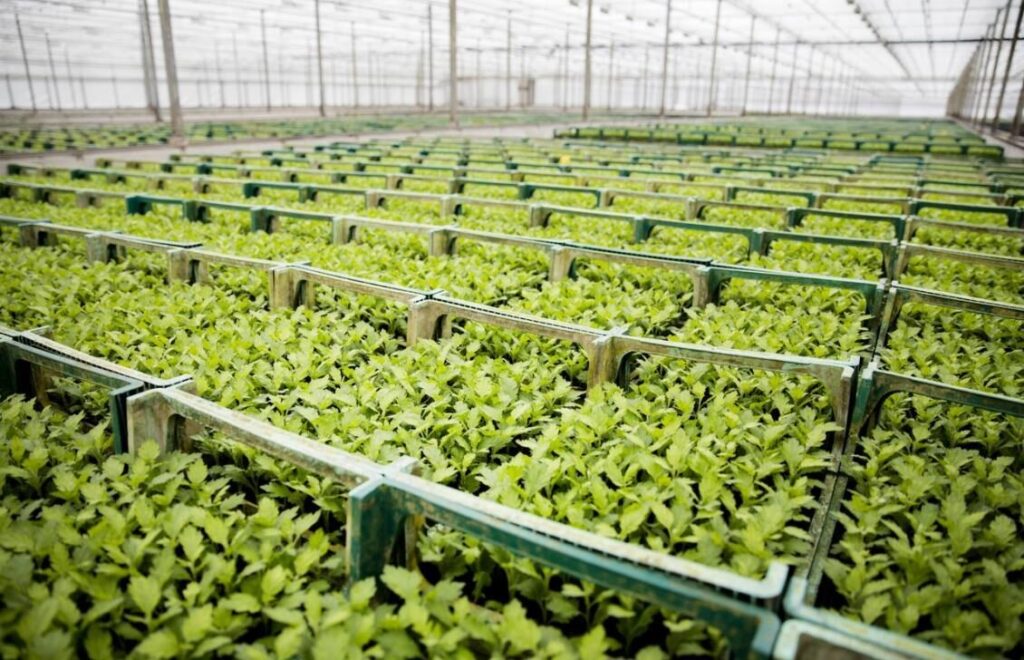
The newly described pathway covers cuttings and in-vitro plantlets of Chrysanthemum, Leucanthemella serotina and Nipponanthemum nipponicum from 20 countries. They include Colombia, Costa Rica, Kenya, Mexico, the Netherlands, Spain and the United Kingdom, alongside 13 other origins identified in the APHIS notice. Imports from Canada follow a separate protocol, which also addresses rooted plants.
APHIS is also changing chrysanthemum fresh-cut-flower provisions and moving commodity-specific requirements into its Agricultural Commodity Import Requirements (ACIR) database. Importers should assess the intended species, propagation form and country against current ACIR conditions rather than reading the announcement as unrestricted market access.
What changes for greenhouse procurement?
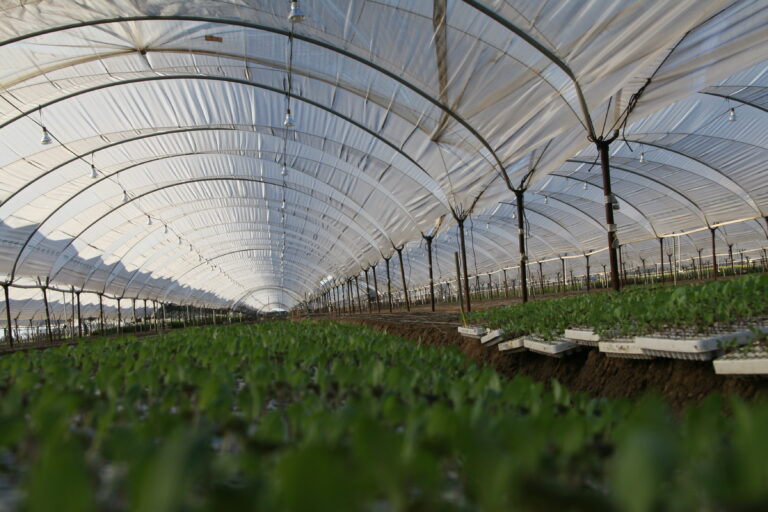
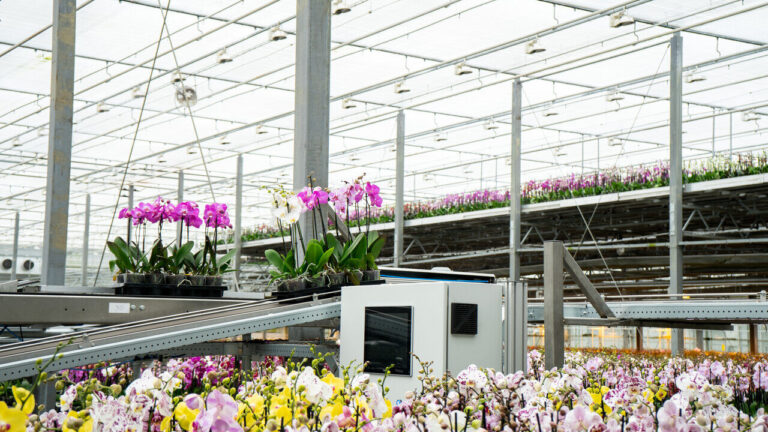
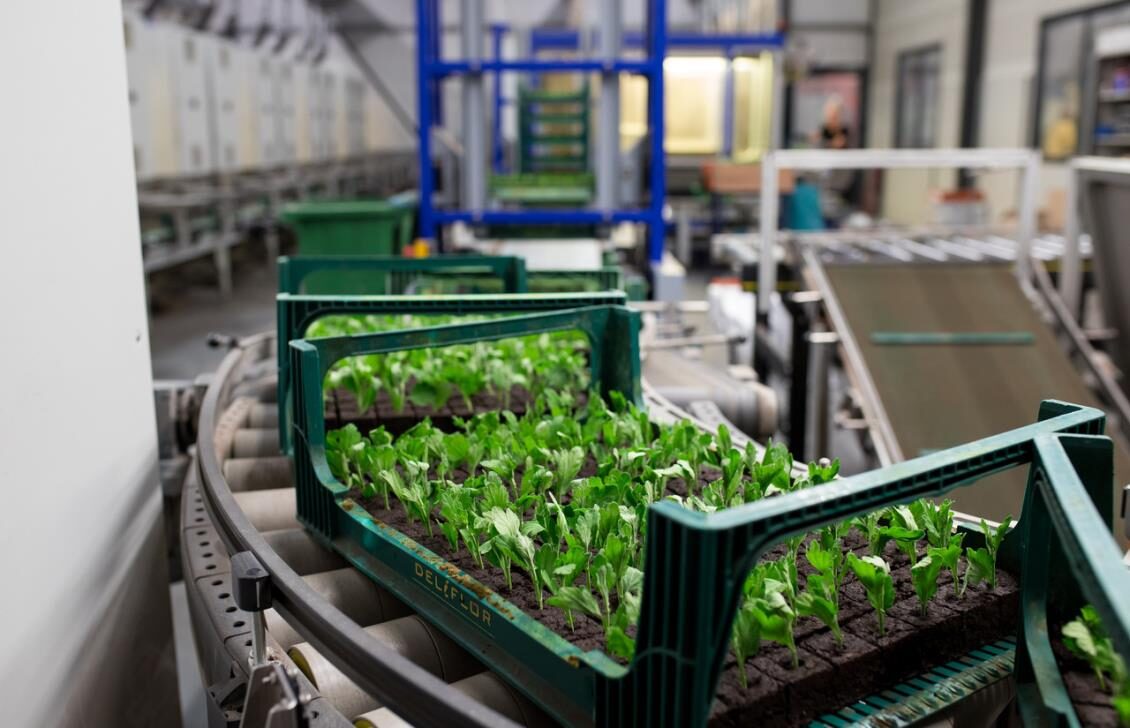
The regulatory adjustment may widen sourcing options for US greenhouse chrysanthemum businesses and the suppliers that deliver young plants. The commercial effect will depend on which overseas facilities meet the systems approach and the other applicable import, certification and inspection conditions. APHIS has not provided a forecast of import volumes or a quantified cost reduction.
Importers and exporters should use the period before 9 November to verify eligibility, supplier procedures and permits. The agency identifies two Federal Register actions, concerning plants for planting and fresh cut flowers, in its update. APHIS plant inspection stations continue to examine regulated incoming plant material against applicable requirements.
Key takeaways
- APHIS announced deregulation of chrysanthemum white rust and revised import pathways effective 9 November 2026.
- Cuttings and in-vitro plantlets from 20 named countries fall under a systems approach; Canada has a separate protocol.
- The change is not a blanket removal of other plant-health checks; country- and commodity-specific ACIR requirements still matter.