Dutch MP Mona Keijzer has proposed postponing a planned increase in value-added tax on flowers and ornamental plants by one year, while nine horticultural municipalities are calling for the lower rate to be retained altogether. Amendment 37022-13, filed in the House of Representatives on 9 October 2026, would move the removal of the reduced rate to 2029. It has not been adopted.
The distinction matters for businesses budgeting prices, retail sales and capacity across the Dutch floriculture supply chain: the government’s original proposal still points to 2028, and the parliamentary amendment offers a different start date, not a decision to abandon the increase.
What the government and amendment propose
The Netherlands Enterprise Agency (RVO) says the government intends to replace the current 9% VAT rate with the standard 21% rate from 1 January 2028. Its proposal covers domestic sales of products including cut flowers, bulbs, houseplants, bedding plants and tree-nursery stock. Imports sold in the Netherlands would also be affected; exports are excluded from the proposed increase.
Keijzer’s amendment, recorded by parliament on 9 October, instead specifies the abolition of the reduced floriculture rate from 2029. The House’s public record did not yet show a government assessment of the amendment. Neither the proposed VAT change nor the requested postponement should be treated as enacted law.
Nine municipalities want to keep the reduced rate
In a separate development on 12 October, Glastuinbouw Nederland reported that mayors of Westland, Aalsmeer, Katwijk, Lansingerland, Venlo, Alphen aan den Rijn, Horst aan de Maas, Nieuwkoop and Peel en Maas had urged the government and parliament to preserve the 9% rate rather than simply defer the rise.
According to the industry association’s account of their letter, the municipalities cite possible turnover losses of €674 million–€830 million across the floriculture chain including suppliers, and 2,280–2,820 jobs at risk. Those are projected impacts cited by opponents of the measure, not observed losses or an independently confirmed forecast.
What to watch next
For commercial flower growers, nurseries and their suppliers, the immediate issue is legislative uncertainty, not a tax change already in force. Domestic pricing and demand assumptions may need to distinguish the government’s 2028 timetable from the proposed 2029 alternative. The next material signal will be the parliamentary handling of the tax plan and Keijzer’s amendment, including any adopted effective date.
Key takeaways
- The government proposes raising floriculture VAT from 9% to 21% from January 2028; exports are outside the proposed increase.
- A 9 October parliamentary amendment seeks a 2029 start, while nine municipalities called on 12 October for the 9% rate to remain.
- The amendment and the underlying tax proposal are still undecided; projected sector losses are estimates, not outcomes.
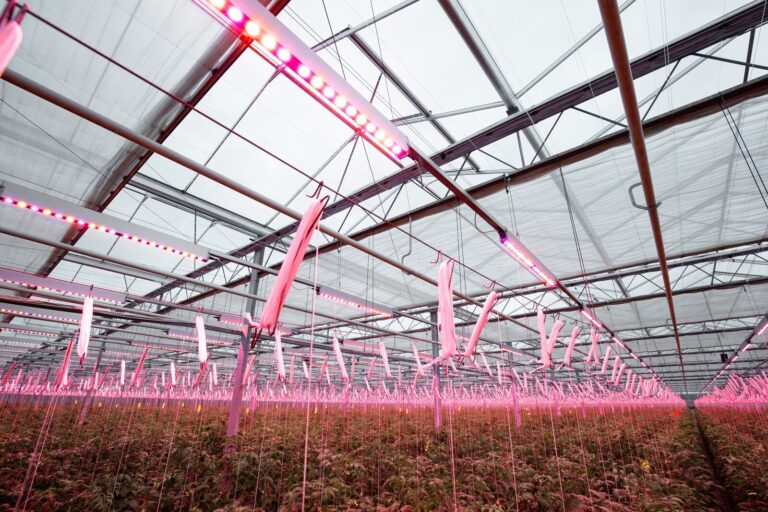
Featured photograph: greenhouse in Westland, the Netherlands (2020). Photo: Rob Oo / Wikimedia Commons, CC BY 2.0. Illustrative; not a photograph of the legislative proceedings.