

Biobest has introduced commercial leasing and purchase options for Arugga AI Farming’s Polly robotic tomato-pollination system. The 27 October 2026 announcement moves the companies’ multi-year development and trial collaboration into a defined equipment offer for professional greenhouse growers.
Growers can lease Polly under a 12-month arrangement that Biobest says includes maintenance, technical support, replacement parts and warranty coverage. An outright purchase option carries a five-year warranty, with extended support arrangements available afterward. The vendor has not published a standard purchase price in the announcement.
A robot designed to complement greenhouse bumblebees
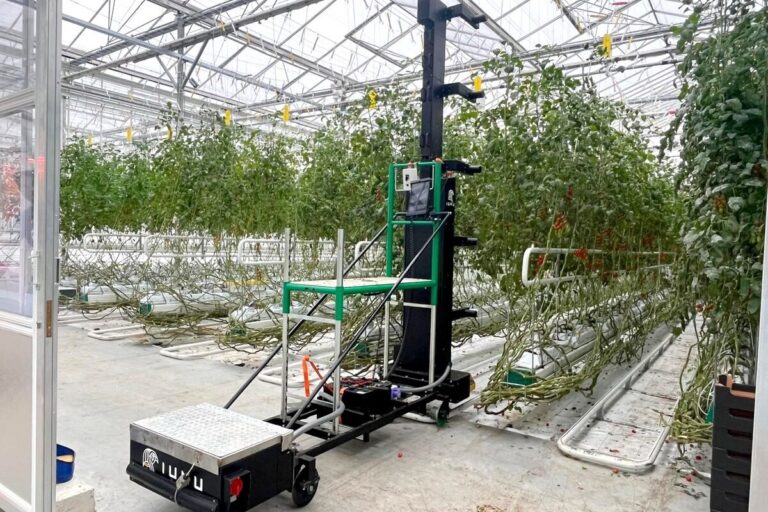
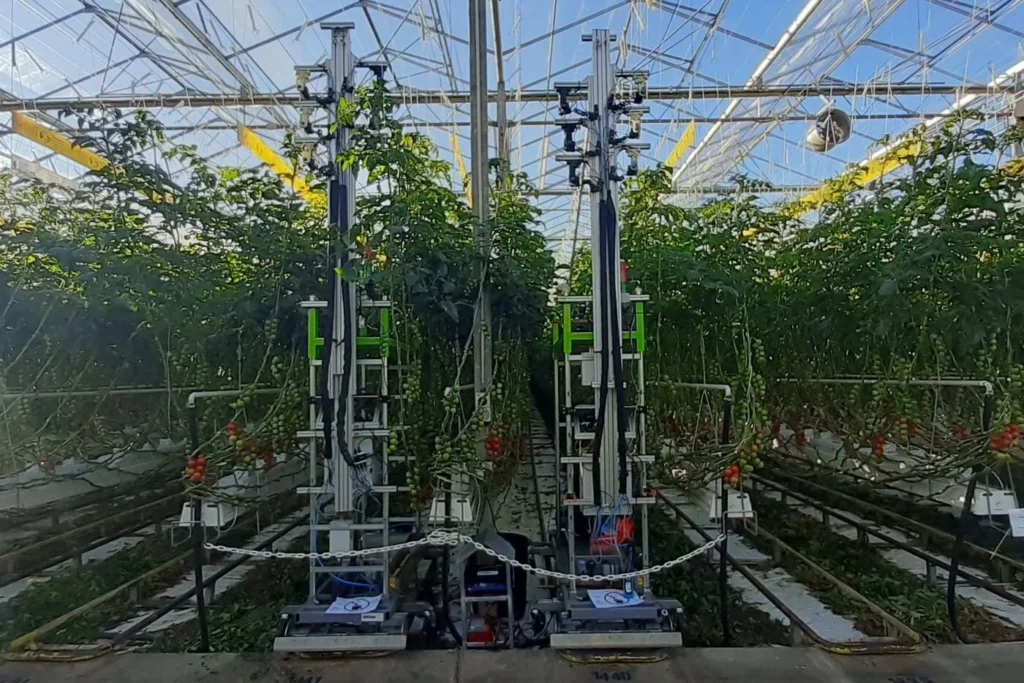
Polly uses cameras and image-recognition software to identify tomato flowers ready for pollination, then delivers controlled bursts of air to release pollen. Biobest positions it primarily as a supplement to bumblebee pollination when low light, closed thermal screens or extreme temperatures limit bee activity.
According to Biobest’s product specifications, one robot can cover around one hectare using existing greenhouse pipe rails. The latest configuration includes autonomous movement between rows. These are supplier specifications, not independently measured performance across every growing environment.
Trial claims need to be weighed against local conditions
Biobest reports yield differences of approximately 2–6% in its trials with Arugga. Its published comparisons generally measure Polly operating alongside bumblebees against bumblebee-only controls, rather than showing that robotic pollination universally replaces hives. Trial sites and growing conditions differed, and the vendor-reported results should not be read as independently validated returns for every commercial operation.
The launch does not represent the first use of Arugga pollination technology: the developer has described earlier greenhouse deployments and subsequent Polly+ development. The new commercial signal is Biobest’s specific lease-and-purchase offer and service package, not a newly documented first installation.
What operators can evaluate next
For greenhouse tomato businesses, the practical comparison is between the cost of purchasing or leasing the equipment, labour and energy operating conditions, existing pollination arrangements and trial evidence relevant to a particular crop and greenhouse layout. Local service response and availability of maintenance are also material to the decision.
Biobest’s announcement does not name a newly contracted customer or independently establish net profit gains. Operators considering the system can request comparable trial data, actual commercial pricing and a site-specific service proposal before calculating a return on investment.
Key takeaways
- Biobest now offers Arugga’s Polly pollination robot through a defined leasing or outright-purchase package.
- The technology uses machine vision and air pulses to supplement tomato pollination, with a supplier-stated coverage of around one hectare per robot.
- Reported yield improvements come from supplier trials; site-specific economics and any new customer deployment still require confirmation.