

Bayer’s greenhouse vegetable seed brand De Ruiter has introduced Solstic, a Roma tomato variety that the company says carries multi-gene intermediate resistance to Tomato brown rugose fruit virus (ToBRFV). The variety was previously tested under the designation DRTJ4101. De Ruiter’s announcement, dated 3 November 2026 in Leamington, Ontario, describes the introduction as an addition to its high-tech glasshouse portfolio.
The distinction between intermediate and high resistance matters. Intermediate resistance does not mean immunity to ToBRFV, eliminate infection risk or replace hygiene and other biosecurity practices. Bayer does not report independent, multi-site yield comparisons in the launch announcement.
A Roma variety intended for different greenhouse schedules
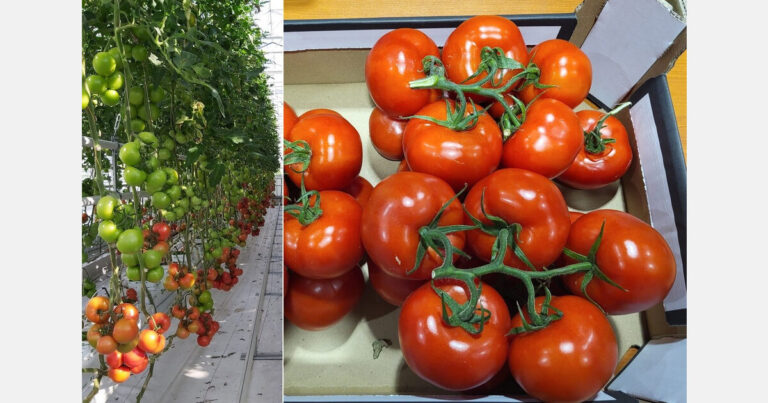
According to De Ruiter, Solstic is suitable for both lit and unlit glasshouse crop cycles and for loose-fruit or truss harvesting. The company describes oval red fruit weighing 90–110 grams on average, intermediate resistance to powdery mildew, robust plant vigour and relatively low susceptibility to blossom end rot.
The breeder’s Canadian Solstic product listing also describes typical clusters of six to eight fruit, depending on crop conditions and plant strength. These agronomic and quality characteristics are supplier-reported observations rather than independent guarantees for particular greenhouse sites.
The introduction follows earlier demonstrations of DRTJ4101, but a branded product launch is a separate commercial milestone. Bayer has not published exact seed-shipment dates, sales volumes or pricing for the new variety.
Why it matters for seed procurement
ToBRFV can compromise tomato fruit quality and complicate greenhouse production planning. For growers selecting Roma genetics, an additional variety marketed with multigene intermediate resistance expands the shortlist for local testing. The commercial question is whether Solstic’s resistance behaviour, fruit specifications and productivity hold up across the grower’s own crop cycle, lighting regime and disease pressure.
De Ruiter says growers can request private appointments at its demonstration greenhouses in Leamington and the Netherlands. Such visits provide an opportunity to inspect plant and fruit characteristics, but an on-site demonstration should not be confused with independently measured performance across production regions.
What remains unclear
Availability by market, seed pricing, independent commercial trial results and the durability of resistance under different ToBRFV strains have not been specified. Growers should request local trial data and full disease-resistance definitions before treating the claimed traits as a purchasing outcome.