

The Netherlands’ 2026 SDE++ application window begins on 27 October at 09:00 local time, offering greenhouse businesses a new opportunity to seek support for eligible low-carbon energy projects. The Netherlands Enterprise Agency (RVO) has set a national budget of €8 billion and a closing deadline of 26 November at 17:00. The budget applies to all sectors participating in SDE++, not exclusively to commercial greenhouses.
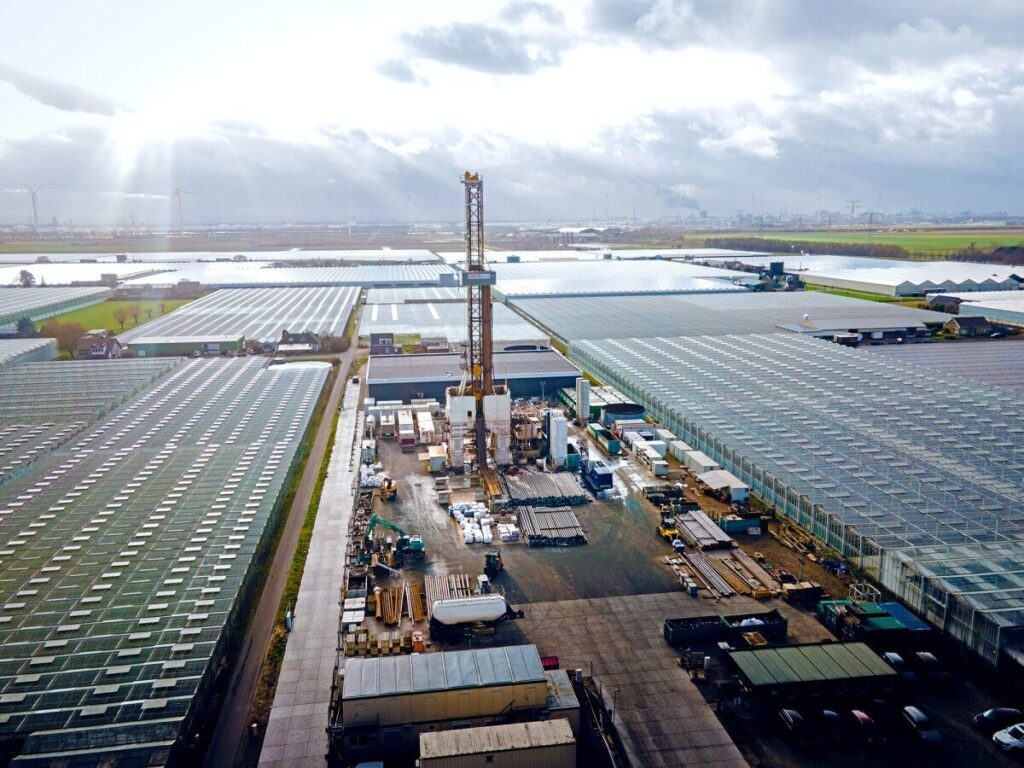
The scheme supports large-scale renewable-energy production and technologies that reduce greenhouse-gas emissions. In its 2026 calendar specifically for greenhouse growers, RVO highlights geothermal energy, residual heat, solar PV, daylight greenhouses, CO₂ supply and air-to-water heat pumps among the technology categories that may be relevant. Eligibility depends on the precise project category and its conditions; being a greenhouse operator does not by itself make every investment eligible.
Five application phases set different subsidy-intensity limits
RVO divides the application period into five phases. The opening phase runs from 27 October at 09:00 to 2 November at 17:00, with a maximum subsidy intensity of €75 per tonne of CO₂. The ceiling then rises to €150, €225, €300 and €400 per tonne in the subsequent phases, with the final phase ending on 26 November. These values are phase-specific application ceilings, not flat payments offered automatically to every applicant.
Applicants calculate their project’s subsidy intensity using the RVO application tools and decide the earliest phase in which the requested support fits. The agency also requires supporting documents and explains how applications are assessed for completeness and ranked. Projects should therefore be evaluated against their actual energy output, costs and permitted technology category rather than against the headline €8 billion amount alone.
What greenhouse investors should check
For Dutch growers evaluating geothermal heat, heat pumps or links to residual-heat networks, the near-term decision is whether their proposed installation meets the scheme’s technical and documentation requirements, and which application phase applies. The greenhouse-specific RVO calendar also identifies a new air-to-water heat-pump category, but project thresholds and conditions still need to be checked on the agency’s relevant category page.
The published 2026 ministerial scheme sets out the regulatory basis for eligible technologies and the funding round. Applications do not constitute awards: the eventual number of successful greenhouse projects and the share of the national budget allocated to horticulture will only become clear through later decisions and programme reporting.
Key takeaways
- The Dutch SDE++ 2026 application window runs from 27 October to 26 November, with €8 billion available across eligible sectors.
- RVO identifies geothermal energy, residual heat and other technologies as potentially relevant to commercial greenhouse operators, subject to individual eligibility requirements.
- Five application phases have different CO₂-based subsidy-intensity ceilings; project approval and actual funding remain separate later decisions.