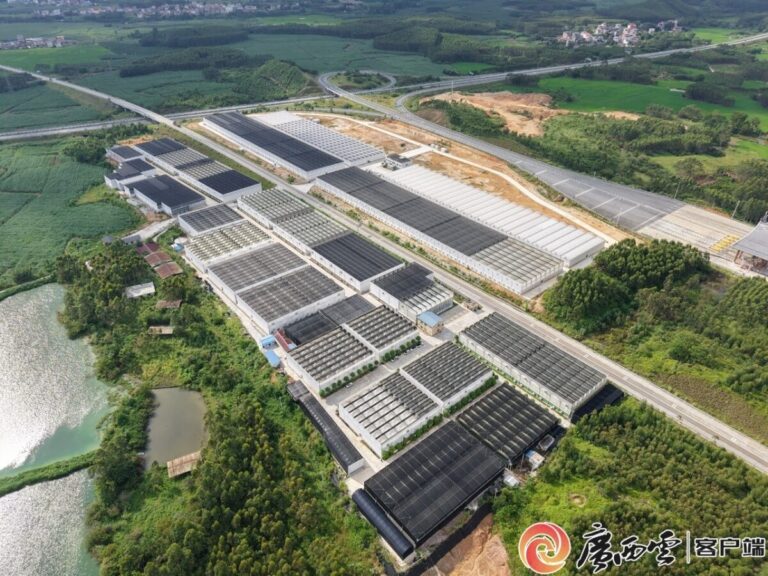


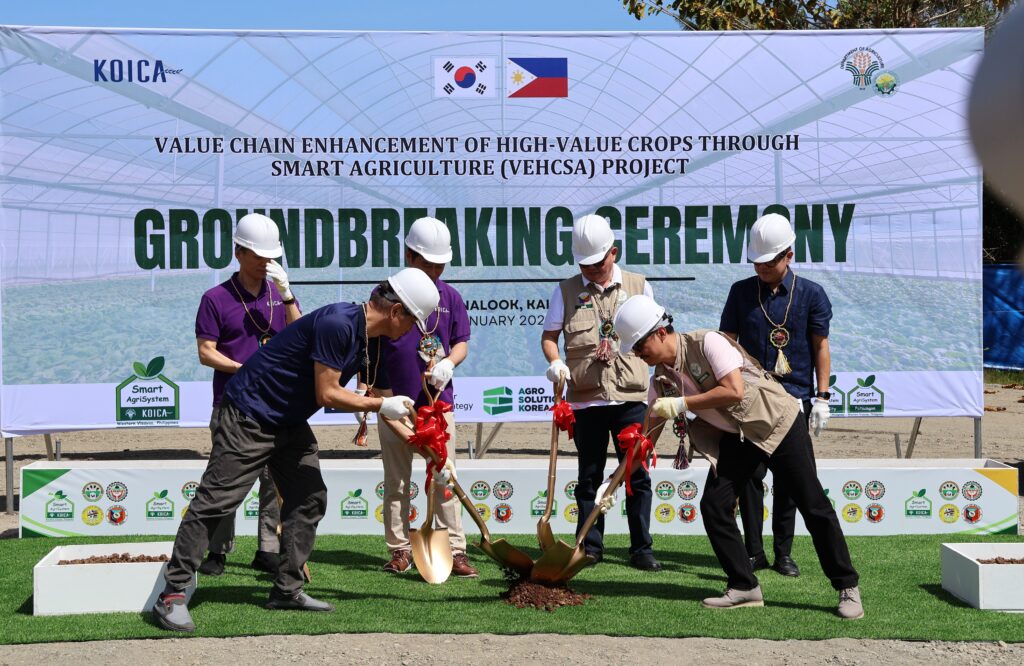
A KOICA-supported smart-greenhouse site in Kalibo, Aklan, Philippines, held its opening and first-harvest ceremony on 7 November 2026, marking a move from construction into initial crop production. The Aklan Agri-Aqua Demonstration Farm and Training Center is the first operating site in a wider programme to develop protected horticulture across four Western Visayas provinces.
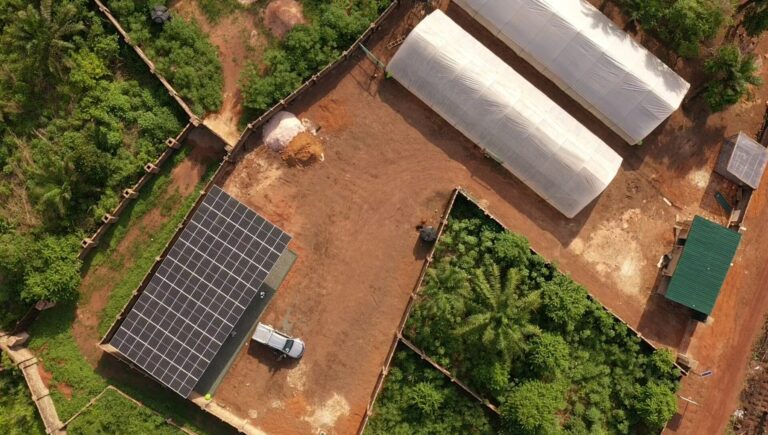
The Korea International Cooperation Agency told Yonhap News Agency that the Aklan complex has four production greenhouses, a nursery, cold storage and solar equipment. Its stated one-hectare area describes the overall site, not necessarily the net cultivated greenhouse floor space.
First harvest and local sales channels
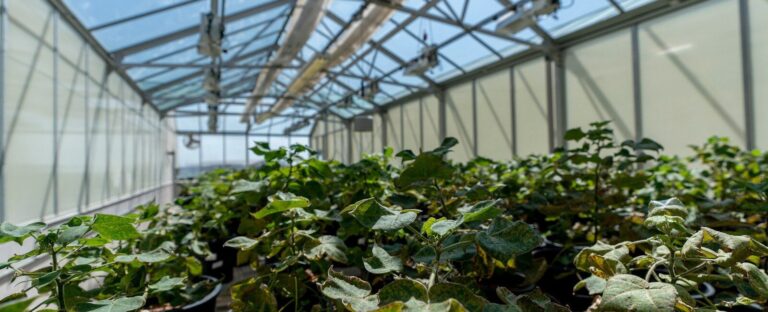
The project is cultivating crops including lettuce, cherry tomatoes, peppers and melons with environmental-control and nutrient-delivery systems suited to local conditions. KOICA said vegetables from the site are reaching hotels and restaurants in the Boracay tourism market. That reported market access is an early commercial milestone, not independently audited evidence of long-term sales or farm profitability.
Project information also points to approximately 52 tonnes of annual production in 2027. That is a forecast, not output already achieved during the inaugural harvest. Detailed reporting on shipment volumes and recurring revenues has not yet been provided.
The US$8 million grant covers four provinces
In its January 2026 project announcement, the Philippine Department of Agriculture described the Value Chain Enhancement of High-Value Crops through Smart Agriculture (VEHCSA) programme as an approximately US$8 million cooperation project covering Aklan, Iloilo, Antique and Negros Occidental during 2023–2027. The amount should not be read as the cost of the Aklan greenhouse alone.
Why the project matters
The opening provides a practical reference for greenhouse structures, climate controls, nursery production, on-site energy and refrigerated handling in a tropical market. The next test for growers, suppliers and programme partners is whether reliable yields, distribution and operating economics can be sustained beyond the launch.
What remains unclear
The covered growing area, Aklan-only capital cost, independently verified harvest weights and sustained customer orders have not been disclosed in the cited programme reports.
Key takeaways
- Four production greenhouses at Kalibo have opened and held an initial harvest ceremony.
- The US$8 million grant finances a four-province programme, not just the Aklan site.
- The roughly 52-tonne annual production figure is a 2027 projection; commercial performance remains to be demonstrated.