

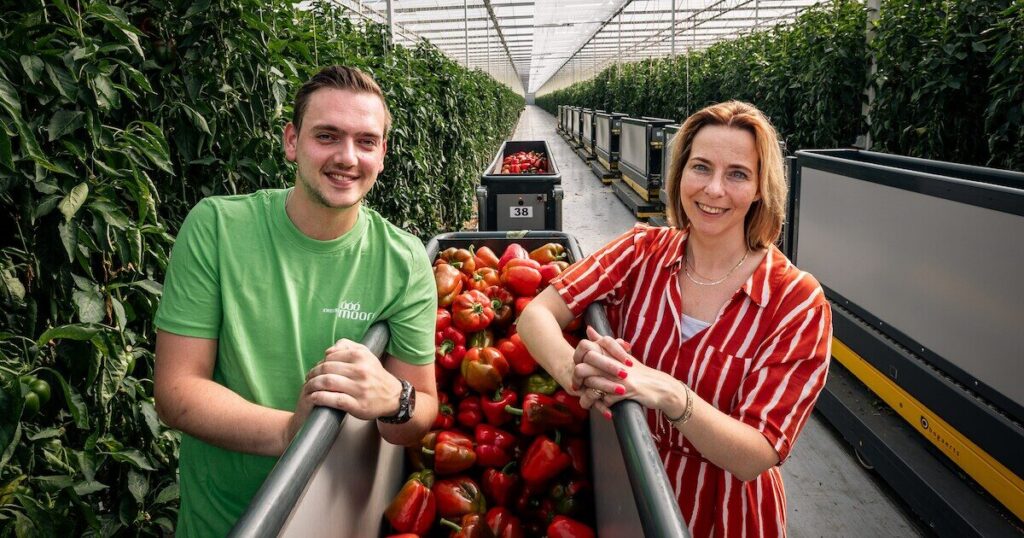
Dutch commercial pepper grower Kwekerij Moors says a severe aphid outbreak caused approximately 33% yield loss in one affected greenhouse compartment during its 2026 growing season. The Asten-Heusden operator described the damage in a first-person company account following a television interview aired in early November.
The distinction matters: the grower says the damage was ultimately contained to one section. A Hart van Nederland report described losses of 30–40%, but that figure should not be taken as a verified loss rate for the business’s entire greenhouse footprint, let alone for Dutch pepper production. No audited company-wide harvest figure was published.
A difficult outbreak from early in the growing cycle
The infestation began around the end of 2025 as new pepper plants were establishing, according to Glastuinbouw Nederland’s 3 November statement. By late April, grower Hannie Moors feared the affected crop might have to be cleared. The company eventually resumed harvesting, avoiding the worst-case outcome but retaining substantial production losses in the damaged compartment.
Moors says recovery depended on a combination of weather, biological crop-protection measures, unusual greenhouse climate settings and a much larger release of natural enemies, including ladybirds. The grower reported deploying up to ten times the normal number of these beneficial insects. Specialist trade reporting also described leaf removal and other intensive interventions. These are observations from a particular commercial outbreak, not controlled evidence of the effectiveness of any one treatment.
What the case signals for growers and suppliers
Glastuinbouw Nederland and crop-protection adviser Guido Halbersma of Van Iperen argue that biological control alone cannot always contain outbreaks once pest populations become established. The association has called for access to effective corrective interventions as plant-protection products are phased out. That is an industry position, not proof that a specific withdrawn product caused Moors’s loss.
For greenhouse managers, the case highlights the operational risk of rapid aphid population growth, prolonged crop disruption and the cost of emergency control efforts. For biological-control suppliers and advisers, it underscores the need to distinguish preventive programmes from measures that can still work when pest pressure has already escalated.
What remains unknown
The area of the affected compartment, the farm’s total marketable output, and the financial value of the lost crop have not been independently established. Neither the reported 33% section-level loss nor the tenfold intervention figure should be extrapolated into a national yield or cost estimate. The next relevant signals are measured outcomes of new aphid-control strategies and any actual regulatory decisions affecting growers’ options.