

Spain has enacted exceptional tax-year-2026 relief for qualifying agricultural operators who calculate their personal-income-tax returns using the estimación objetiva, or modules, method. Order HAC/1161/2026, published in Spain’s official gazette on 5 November, provides a 10% reduction in the relevant net taxable return and specified reductions linked to documented agricultural diesel and fertiliser purchases.
The measures can matter to eligible greenhouse growers with qualifying 2026 purchases. They are not a 10% rebate of the final tax bill, and the order does not automatically cover all greenhouse companies or businesses that use a different tax regime.
What the 2026 reductions actually cover
The order’s additional provision for agricultural and livestock activities allows eligible taxpayers using the objective-method calculation to reduce their preliminary net return by amounts corresponding to 35% of the purchase price of qualifying agricultural diesel and 15% of the purchase price of qualifying fertilisers. Both deductions are restricted to purchases made during 2026 and supported by invoices issued in that year meeting the applicable requirements.
In addition, the order specifies a 10% general reduction of net return for the covered agricultural activities, as defined by the related 2026 modules order. These percentages affect different parts of the tax calculation; they should not be added together or interpreted as blanket discounts on the tax owed, on all farming expenditure, or on corporate profits.
Published in November, with distinct 2026 and 2027 provisions
The legal instrument is dated 4 November 2026, appeared in the Boletín Oficial del Estado on 5 November and entered into force the following day. Its main framework defines the modules method for 2027, but the exceptional agricultural input measures expressly refer back to 2026 purchases and income. That distinction matters for growers closing their 2026 books: an order titled for the 2027 modules regime contains a separate provision for the previous tax year.
The eligibility test is personal to the taxpayer and the activity. Growers should establish whether they are actually in the relevant objective-method IRPF regime and whether their recorded diesel and fertiliser invoices meet the rule, rather than assuming all protected-horticulture operations receive identical relief.
Greenhouse plastics are not included in the special input relief
The enacted provision names diesel and fertilisers; it does not create a corresponding deduction for greenhouse-covering film, agricultural plastics or crop-mulching materials. On 6 November, ASAJA Almería called on the Ministry of Finance to extend the exceptional relief to those greenhouse inputs.
That is a request from the growers’ association, not a change already adopted by the ministry. ASAJA also asked for possible future adjustments to modules indices for production losses affecting peppers and other crops; the group cited Thrips parvispinus pressure in Almería. Those crop-loss requests should not be confused with the measures now in force.
Operating implications for protected horticulture
Eligible self-employed greenhouse growers and their accountants can use the new legal text to check invoice records and model the effect on 2026 taxable net returns. Input suppliers and producer groups may also need to distinguish the enacted provisions from broader calls for help with greenhouse plastics and lost crops.
Without a taxpayer’s verified filing method, invoices and applicable modules indices, the size of a benefit cannot be responsibly calculated. Businesses subject to corporation tax or other income-assessment methods should not use these percentages without a separate eligibility determination.
What remains unclear
ASAJA’s proposal to add greenhouse plastics has not been enacted in the cited order, and no resulting government timetable or approved amendment is established here. The farm-level benefit depends on tax treatment and verified purchases. Separate crop-loss-related module reductions have been requested but should not be counted as approved relief.
Key takeaways
- Spain enacted special 2026 net-return tax reductions for agricultural taxpayers covered by the objective-method modules regime.
- Qualifying, properly invoiced 2026 diesel and fertiliser purchases can support preliminary net-return reductions equivalent to 35% and 15% of their respective purchase prices; an additional 10% general net-return reduction applies within the specified agricultural scope.
- ASAJA Almería wants greenhouse plastics included, but that change is not part of the adopted order.
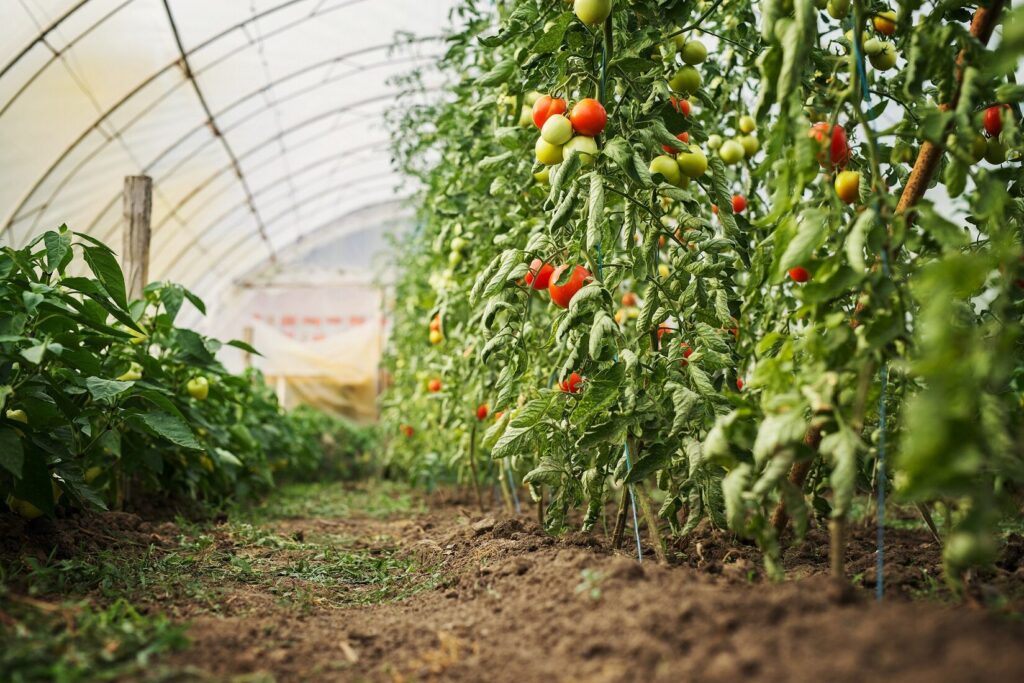
Featured image: official archival photograph of tomato cultivation in an Andalusian greenhouse. Illustrative sector context, not a photograph of the November 2026 tax measure. Credit: Junta de Andalucía.