

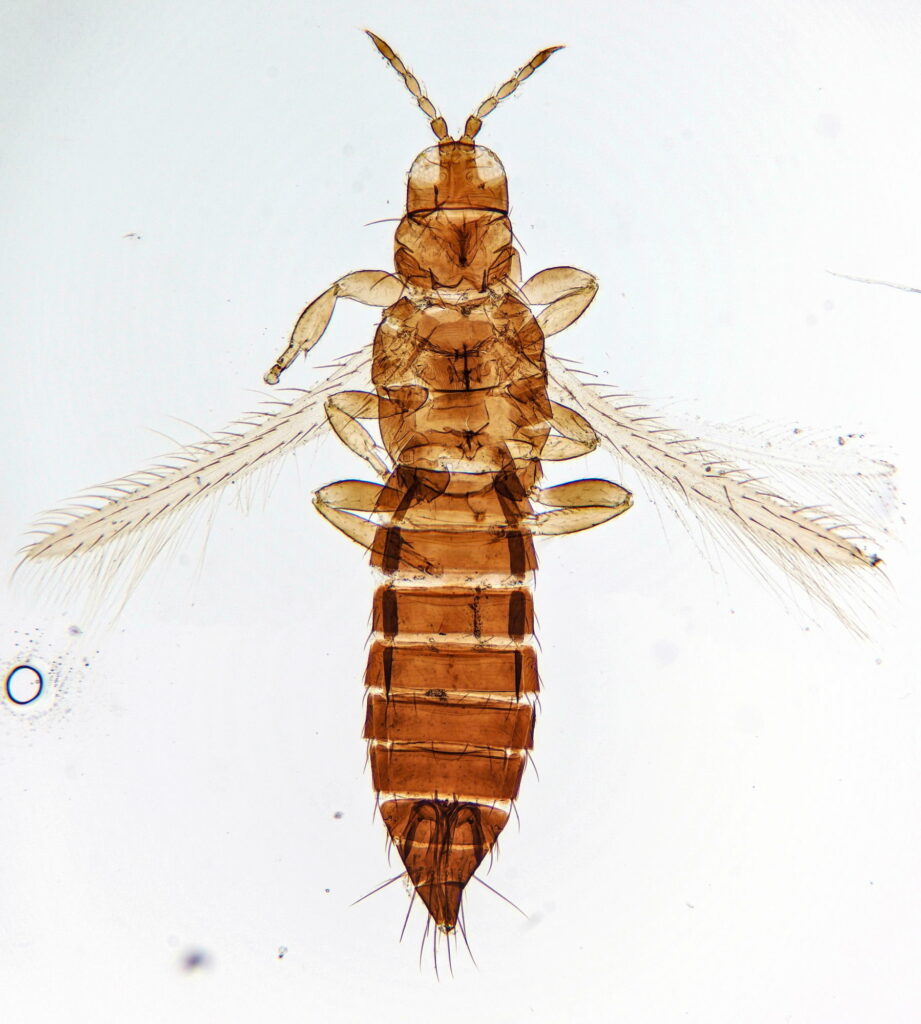
Tasmania has brought new import conditions into force for six types of fresh fruit in an effort to keep Intonsa flower thrips (Frankliniella intonsa) out of the island state. The requirements began at 12:01 a.m. Tasmanian time on 2 November 2026 under a Biosecurity Tasmania advisory issued on 30 October.
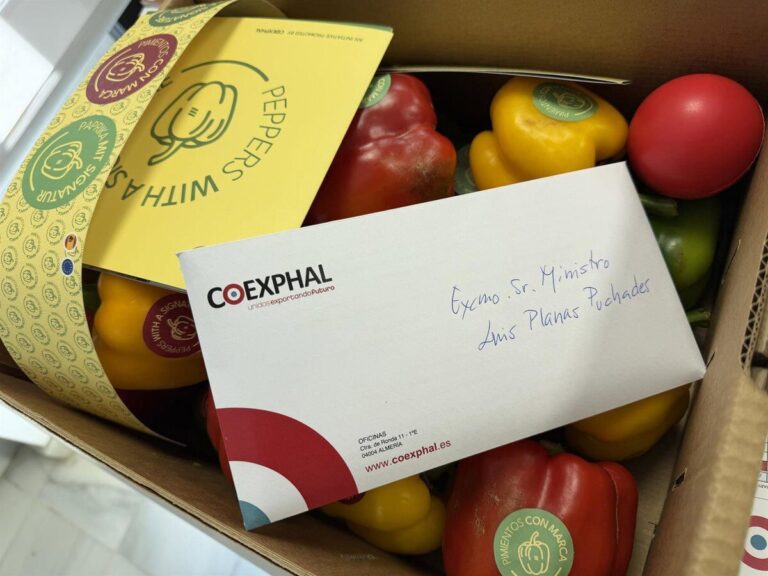
The measure covers consignments of capsicum (sweet pepper), strawberry, peach, raspberry, blackberry and tomato fruit entering Tasmania. Importers must meet the conditions of the relevant group permit. It is a fruit-import control, not a general restriction on all greenhouse plants or cut flowers.
Importers must check the Group Permit
Biosecurity Tasmania directs importers to the Group Permit for hosts of F. intonsa for the applicable conditions. Businesses moving the covered fruit into Tasmania need to check the permit and required documentation for their origin and consignment, rather than treating the announcement as a blanket import ban or unconditional clearance.
A mainland pest, not a confirmed Tasmanian outbreak
Biosecurity Tasmania says the thrips was first detected in Australia near Caboolture in southeast Queensland in April 2026 and has subsequently been found at several commercial berry properties in that region. As of the regulator’s 30 October advisory, the pest had not been detected in Tasmania. The state says it will carry out targeted compliance checks and monitoring.
Why greenhouse and berry businesses should watch
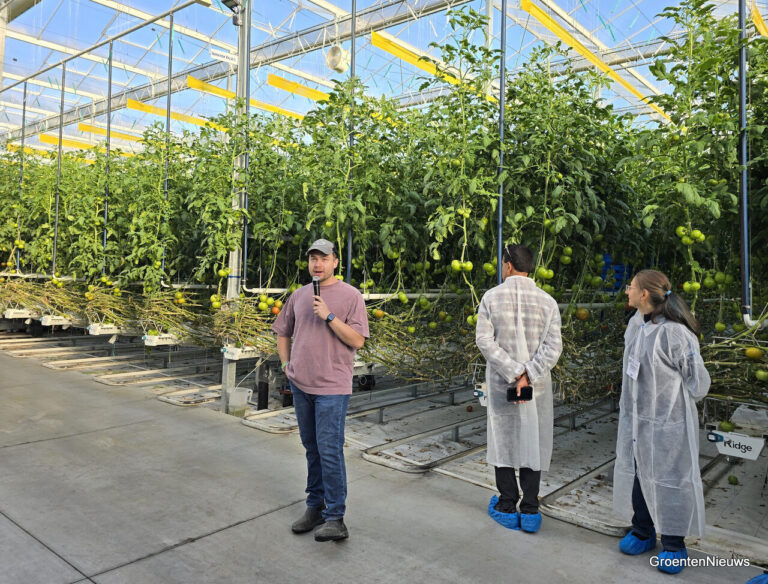
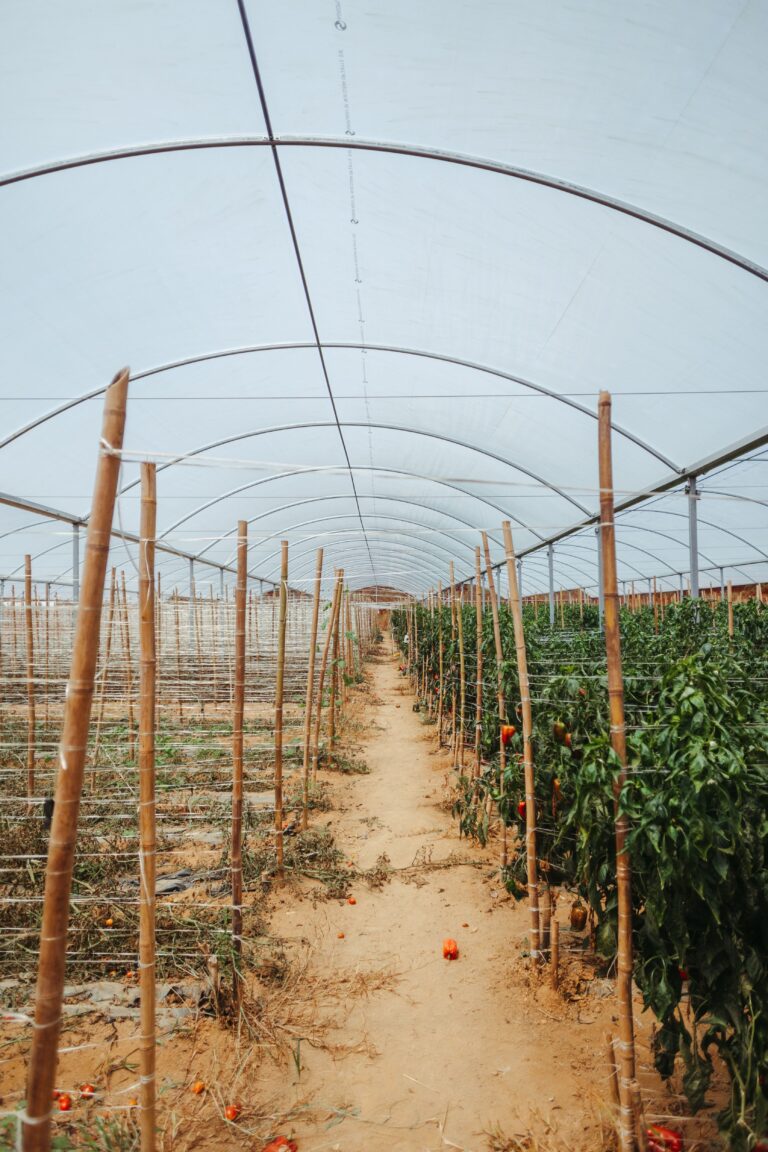
The new border conditions affect fruit supply chains involving protected tomatoes, capsicums and berries as well as other covered fruit production. For greenhouse operators and distributors supplying Tasmania, the practical issue is whether each shipment can demonstrate compliance with an eligible permit pathway, potentially affecting documentation, handling and delivery planning.
The pest can also affect other horticultural hosts. However, the regulator says any addition of further vegetable or cut-flower commodities would follow additional risk assessment; those products are not part of the initial six-fruit list solely because they can host the insect. Future permit amendments and official compliance notices are the next developments to monitor.
Key takeaways
- From 2 November 2026, six specified fresh-fruit types entering Tasmania must comply with the new Intonsa thrips Group Permit.
- Greenhouse tomato and capsicum suppliers and berry businesses should check shipment-specific import conditions.
- Other vegetable and cut-flower hosts are not covered by this initial six-fruit list; any extension would follow further risk assessment.