

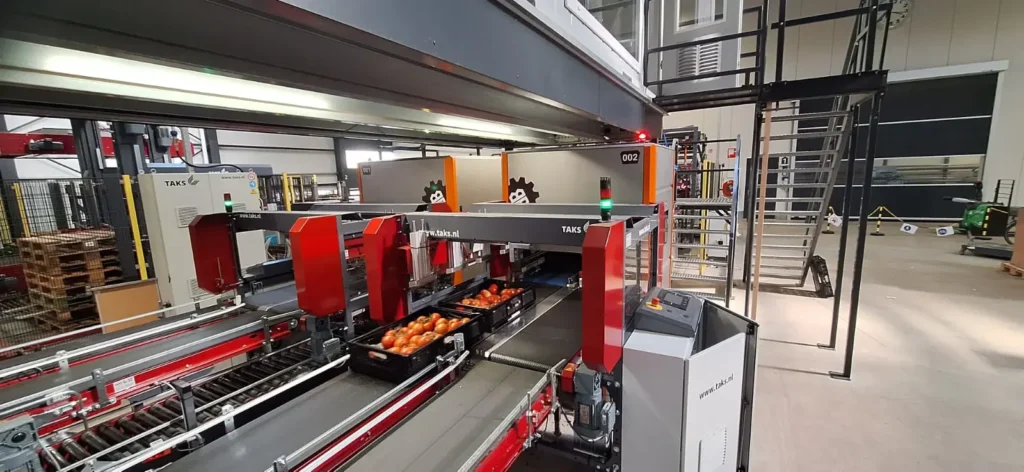
Growers United has nine camera-based produce-sorting systems operating at several Dutch member growers, according to a case study published by the Netherlands Enterprise Agency (RVO) and checked on 16 November 2026. The cooperative began testing the approach in 2023. The latest account establishes the number of operating units, but not nine separate sites or nine installations commissioned this month.
From a 2023 pilot to multi-grower use
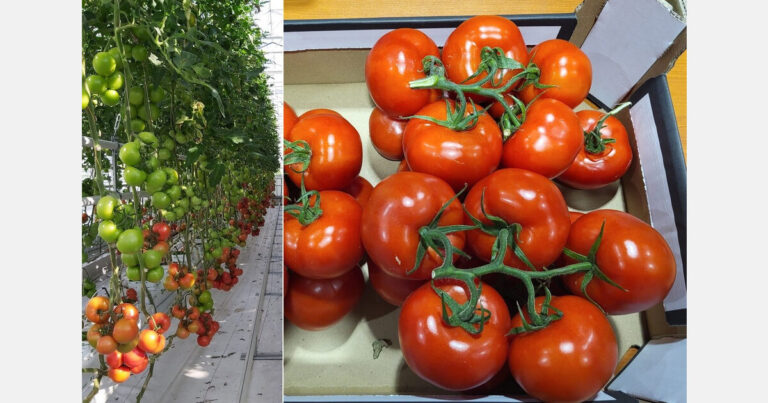
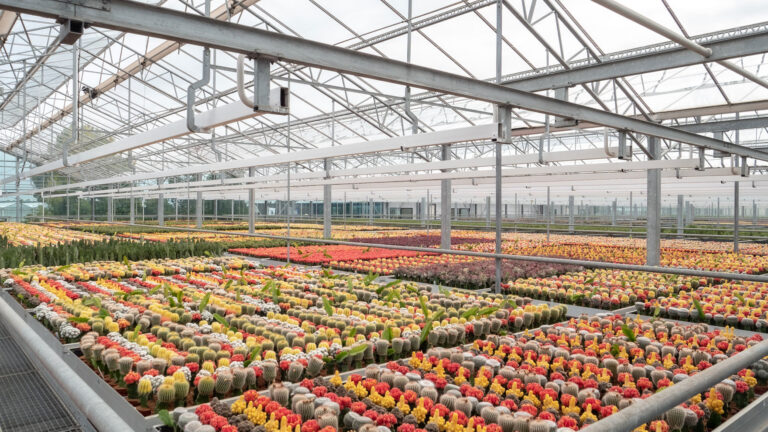
Growers United brings together 20 growers with approximately 900 hectares of production area, RVO reports. Its members produce greenhouse vegetables including tomatoes, peppers, cucumbers and aubergines. The organisation initially tested camera-assisted sorting to make post-harvest quality checks more consistent, then adopted the technology beyond that first trial.
Each system checks produce boxes for quality and weight. RVO describes inspections for mould, discolouration, spots and bruising, as well as weight-related deviations. These are automated checks within the packing workflow, not a claim that every member grower now uses the technology.
Supplier Gearbox Innovations documents one of the installations at Schenkeveld, a Growers United grower. Its case study says the cooperative placed four GearStation units at Schenkeveld’s Rijssenhout packing operation. The cameras examine tomato boxes and can feed quality data back into staff training; the supplier also describes integration with existing packing and handling equipment. These four units form part of the wider deployment context, but RVO does not give a complete site-by-site breakdown of the nine systems.
Public support lowers the investment hurdle
RVO says Growers United used the Dutch Sectoral Intervention for Fruit and Vegetables (SIG&F) programme to support investment in the technology. The scheme is designed for recognised producer organisations and includes quality-control and innovation measures. RVO does not specify the grant amount attributable to these camera installations or the cooperative’s net investment.
The operational rationale is to reduce dependence on manual spot checks, identify quality defects sooner and generate traceable feedback for growers and harvest teams. These are the purposes and benefits described by the participants; the government case does not publish an independently audited percentage reduction in defects, labour hours or cost per box across all nine units.
Why it matters
For greenhouse operators and packing-line integrators, the development is evidence of commercial adoption across multiple growing operations, rather than another laboratory demonstration. It also shows how cooperative purchasing and sectoral support can help a group deploy quality-control automation without each grower developing an independent system.
What remains unclear
The exact commissioning dates, number of distinct sites, individual equipment costs and consolidated return on investment have not been disclosed. Further deployment records or measured post-harvest performance would be needed to assess the economic impact of the rollout independently.
Featured photograph: a representative Gearbox GearStation tomato-inspection line, supplied by Gearbox Innovations. It is not evidence of all nine installations or their dates.