

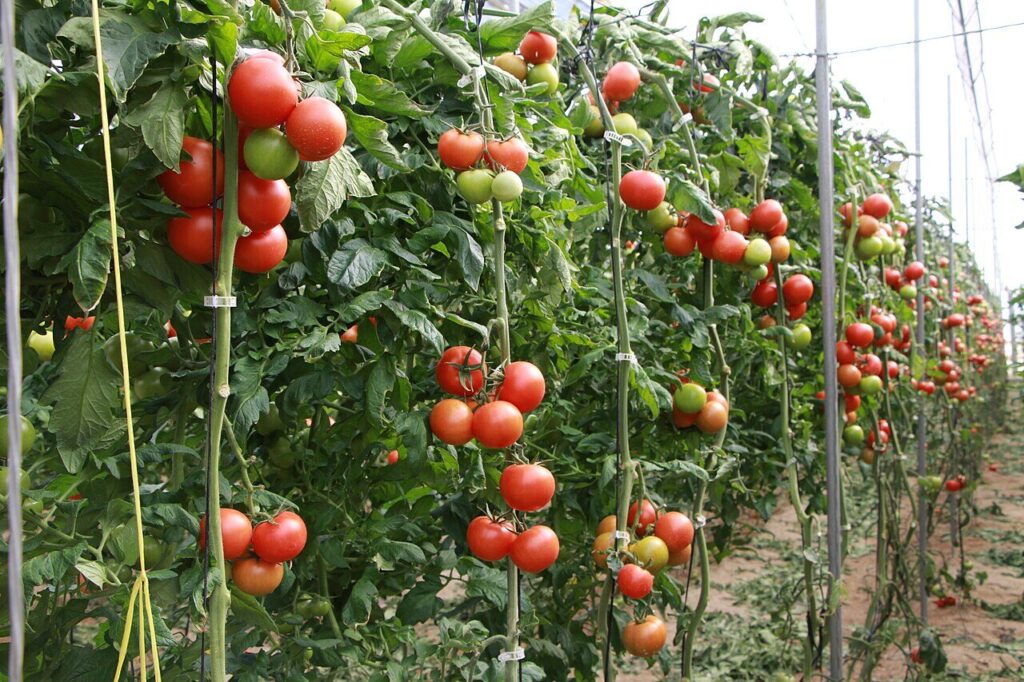
Spain’s main autumn greenhouse-tomato producing region has entered November with a slower-than-usual harvest build-up. The delayed start in Almería is leaving fewer tomatoes available to European buyers at a time when other producing regions are winding down their summer crops, according to an interview published by FreshPlaza on 29 October with Stephan van Marrewijk, commercial director of Almería cooperative Vicasol.
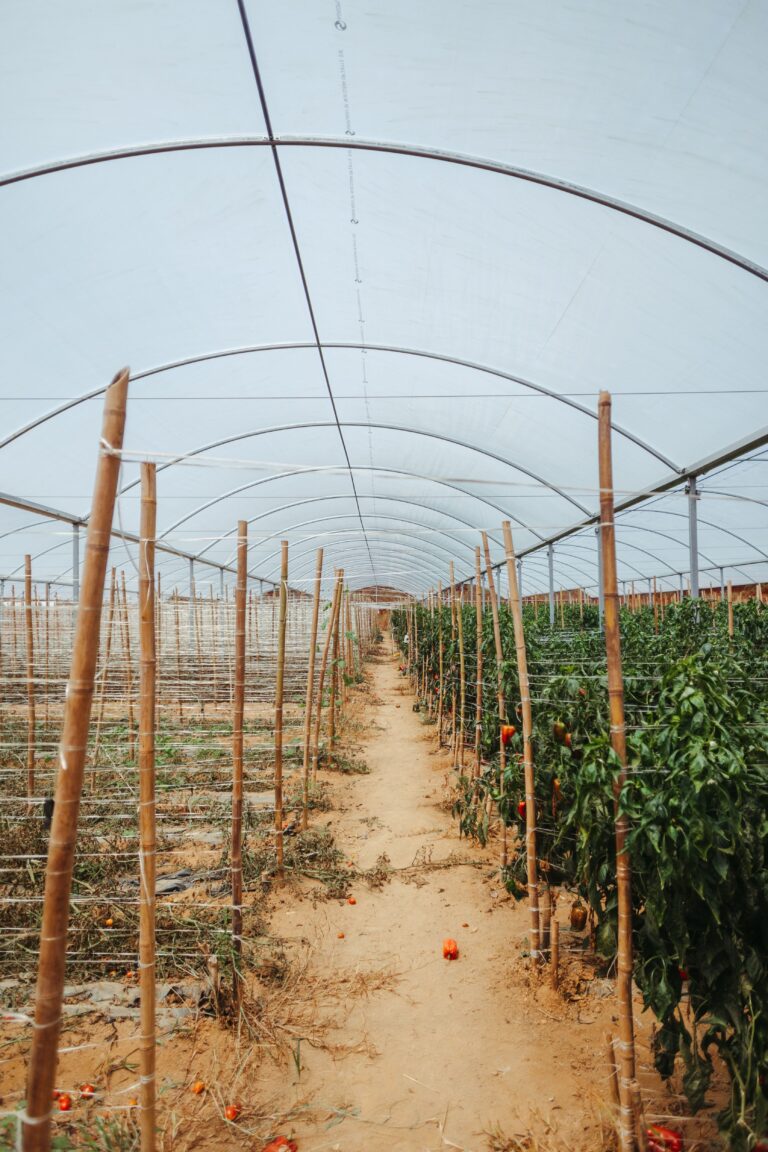
Van Marrewijk linked the late start to planting decisions made after heavy pest pressure in spring. He said growers postponed some greenhouse transplants to avoid the hottest period and the insects that can transmit crop viruses. Variable temperatures at the end of summer then slowed the arrival of fruit at harvestable size and maturity. These explanations reflect the cooperative’s assessment rather than a quantified survey of every grower.
Normal tomato volumes may not arrive until mid-November
Spanish greenhouse tomatoes would ordinarily be reaching European markets in meaningful volumes around calendar weeks 44 and 45, the Vicasol director said. For the current 2026/27 season, he expects a more typical supply level only in the second week or around the middle of November. This is a forward-looking estimate, not a confirmed recovery date.
Vicasol handles approximately 90,000 tonnes of tomatoes annually, mainly plum varieties, according to the interview. That is the cooperative’s annual activity figure, not a measurement of the current seasonal supply deficit.
Higher auction prices, but limited visibility on the shortfall
FreshPlaza reported late-October Almería average prices of €2.06/kg for plum tomatoes and €2.11/kg for vine tomatoes, attributing the figures to Agropizarra. Its report also cited €1.73/kg for Daniela tomatoes. These are attributed price snapshots rather than independently audited, region-wide averages; actual prices differ by auction, grade and date.
The regional government’s Andalusian agricultural price observatory separately publishes producer-price data for protected tomatoes. Its series offers a reference point for monitoring the market, although it should not be treated as confirmation of every price quoted in the interview.
Why timing matters to buyers and growers
The production gap creates a near-term sourcing problem for wholesalers and retailers seeking consistent greenhouse-tomato deliveries. For producers able to ship now, stronger auction quotations could support revenue per kilogram, but they do not establish higher net margins without yield, pest-control and other operating-cost information.
Van Marrewijk also suggested Morocco’s 2026/27 crop is starting later than usual. Independent Moroccan crop statistics were not established in the source material, so the extent of any offsetting supply remains uncertain.
The key next signal is whether Almería’s weekly market volumes rise as expected in November. No independently verified Europe-wide shortage total or reliable forecast of future tomato prices was available with the current reporting.